
Warning: Cannot modify header information - headers already sent by (output started at /home/najsvan197/chinchillaofficial.com/wiki/article.php:28) in /home/najsvan197/chinchillaofficial.com/wiki/wiki-functions.php on line 25
Inngangur í meltingarkerfi tsofílu
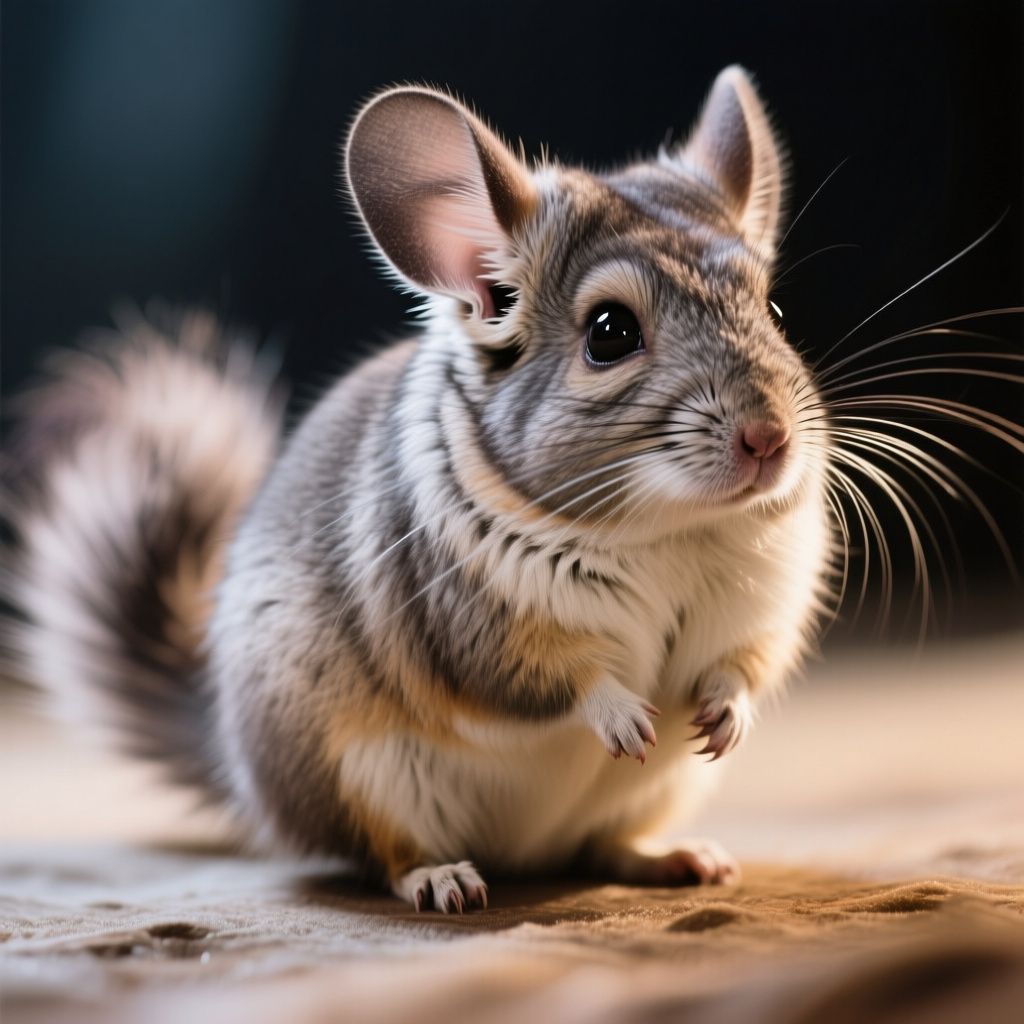
Hey there, chinchilla owners! Understanding your furry friend’s digestive system is key to keeping them happy and healthy. Chinchillas have a unique and sensitive digestive tract that’s adapted to their natural diet of tough, fibrous grasses and plants from the Andes Mountains. As herbivores, their system is designed to break down high-fiber, low-fat foods over a long period. However, this also means their digestion is delicate and prone to issues if their diet or environment isn’t just right. Let’s dive into how their digestive system works and how you can support it.
Uppbygging meltingarkerfisins
A chinchilla’s digestive system is a complex setup tailored for processing fibrous material. It starts with their small mouth and sharp incisors, which are perfect for gnawing on hay and breaking it into smaller pieces. After chewing, food travels down the esophagus to the stomach, where initial digestion begins. However, the real magic happens in their hindgut, specifically the cecum and large intestine. Chinchillas are hindgut fermenters, meaning they rely on beneficial bacteria in the cecum to break down tough plant fibers into nutrients through fermentation.
One fascinating aspect is their practice of coprophagy—eating their own soft fecal pellets (called cecotropes) produced at night. These pellets are packed with nutrients like B vitamins and proteins that weren’t fully absorbed the first time through. This behavior might sound odd, but it’s a vital part of their nutrition, so never discourage it! Their digestive tract is also quite long relative to their body size, taking up to 12-24 hours to fully process food, which underscores the importance of constant fiber intake.
Algengar vandamál í meltingarkerfinu
Unfortunately, chinchillas are prone to digestive problems if their care isn’t spot-on. Gastrointestinal stasis (GI stasis) is a serious condition where the gut slows down or stops, often due to stress, pain, or a low-fiber diet. Symptoms include reduced appetite, smaller or no fecal pellets, and lethargy. Dental issues, like overgrown teeth, can also disrupt digestion since chinchillas need to chew properly to start the process. Bloat, caused by gas buildup from improper foods, is another concern and can be life-threatening if not addressed quickly.
Ábendingar til að styðja við meltingarheilsu
As a chinchilla owner, you play a huge role in keeping their tummy happy. Here are some practical tips to ensure their digestive system runs smoothly:
- Forgangur grashey: Ótakmarkað aðgengi að fersku, hágæða timothy hay er óafturkræft. Hay heldur meltingarveginum í gang og sleipar tennur náttúrulega. Miðaðu við haug af hey jafnstóran og tsofían þín daglega!
- Takmarkaðir snakkar og pellets: Chinchilla pellets ættu að vera takmarkað við 1-2 matskeiðar á dag fyrir fullorðna. Forðastu sykurmikla snakk eins og ávexti eða grænmeti—tsofíur geta ekki brugðist við miklum sykri eða fitu, sem getur leitt til niðurgangs eða bláðs.
- Ferskt vatn alltaf: Gakktu úr skugga um að hreint, ferskt vatn sé tiltækt allan sólarhringinn í flösku (ekki skál, til að koma í veg fyrir úthellingar). Þurrkur getur hægt á meltingunni og valdið alvarlegum vandamálum.
- Kannaðu saur: Þekktu eðlilega saureftirlit tsofíunnar þinnar—heilbrigð pellets eru lítil, þurr og oval, með um 100-150 framleidd daglega. Skyndilegt minnkun eða breyting á lögun gæti bent til vandamáls.
- Minnkaðu streitu: Skyndilegar breytingar á umhverfi eða hávæði geta stressað tsofíuna þína og haft áhrif á meltinguna. Haltu burðinum í kyrru, stöðugu rými.
- Regluleg dýralæknisheimsóknir: Skipuleggðu árlegar heimsóknir til dýralæknis með sérfræði í eksótískum dýrum til að greina tann- eða meltingarvandamál snemma. Ef þú tekur eftir merkjum um GI stasis, hafðu strax samband við dýralækni—seinkanir geta verið banvænar.
Hvenær á að leita sér aðstoðar
Even with the best care, digestive issues can crop up. If your chinchilla stops eating, hasn’t produced fecal pellets in 12 hours, seems bloated, or is hunched over in pain, don’t wait. These are red flags for conditions like GI stasis or bloat, which require urgent veterinary care. Quick action can make all the difference.
Lokahugsanir
Your chinchilla’s digestive system is a finely tuned machine that thrives on routine and the right diet. By focusing on fiber-rich hay, limiting treats, and keeping an eye on their behavior and output, you’ll help prevent common issues and ensure a long, healthy life for your fluffy companion. Remember, a happy chinchilla is a hopping chinchilla—so keep that gut in check, and you’ll both be all smiles!