
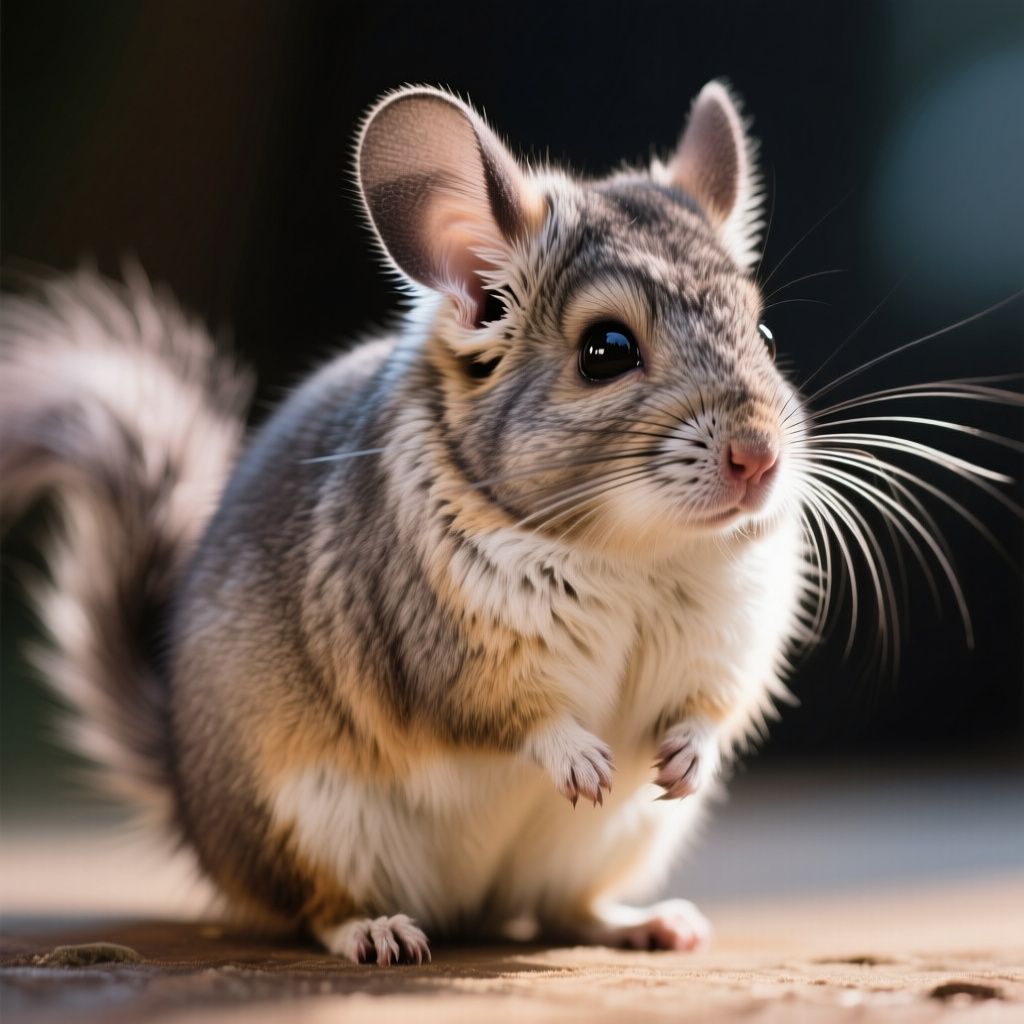
Вовед во Репродуктивниот Систем на Чинчила
Здраво, сопственици на чинчила! Разбирањето на репродуктивниот систем на вашиот крзнен пријател е важен дел од одговорната нега на миленичиња. Чинчилите, како сите цицачи, имаат уникатни репродуктивни карактеристики што влијаат на нивното здравје, однесување и потреби за нега. Бидејќи сте љубопитни за размножување, спречување на несакани легла, или едноставно сакате да ја одржите вашата чинчила здрава, овој водич ќе ве води низ основите на нивната репродуктивна анатомија и нуди практични совети.
Чинчилите се мали глодари родом од Андите, и нивните репродуктивни системи се прилагодени за преживување во сурови средини. И мажјаците и женските достигаат сексуална зрелост доста рано—често меѓу 4 до 6 месеци возраст. Сепак, размножувањето предвреме може да доведе до здравствени компликации, па најдобро е да се почека додека не се барем 8 месеци стари и не тежат над 500 грама ако размислувате да ги спарувате. Ајде да навлеземе во деталите на нивната анатомија и што тоа значи за вас како сопственик на милениче.
Репродуктивна Анатомија на Мажјакот Чинчила
Мажјаците чинчили имаат релативно едноставен репродуктивен систем. Нивните тестиси се лоцирани внатрешно близу стомакот, што значи дека нема да видите надворешни тестиси како кај некои други животни. Пенисот исто така не е секогаш видлив освен ако чинчилата не е возбудена или за време на парење. Една интересна работа е дека мажјаците чинчили имаат коска во пенисот наречена baculum, која помага при парењето.
Како сопственик, важно е редовно да го следите мажјакот чинчила за знаци на проблеми со репродуктивното здравје. Проверете за необично оток или исцедок околу гениталниот регион, бидејќи тоа може да укажува на инфекција или повреда. Кастрацијата е опција ако не планирате размножување и сакате да спречите агресија или здравствени проблеми како тумори на тестисите. Консултирајте се со ветеринар искусен со егзотични миленичиња, бидејќи операциите кај чинчилите бараат специјализирана нега. По кастрација, дадете му на вашата чинчила доволно одмор и држете го кафезот чист за да избегнете инфекција.
Репродуктивна Анатомија на Женскиот Чинчила
Женските чинчили имаат посложен репродуктивен систем. Тие имаат две матични рога, цервикс и vagina, и можат да родат повеќе млади (kits) во едно легло—обично 1 до 3, иако до 6 е возможно. Женските доживуваат еструс циклуси приближно на секои 25 до 35 дена, и можат да забременат веднаш по раѓањето поради феноменот наречен postpartum estrus. Ова значи дека ако мажјак е присутен, може да добиете последователни легла, што може да биде исцрпувачко за женката.
За сопствениците, спречувањето на неочекувани бремености е клучно. Ако чувате мажјак и женка заедно, размислете за стерилизација на женката или кастрација на мажјакот. Стерилизацијата е посериозна процедура, па разговарајте за ризиците со вашиот ветеринар. Исто така, следете ги знаците на бременост (зголемување на тежината, однесување на гнездење) или компликации како dystocia (тешко раѓање), што може да биде фатално. Бремената чинчила бара дополнителна исхрана—понудете висококвалитетно сено и мало зголемување на пелетите (околу 10-20% повеќе) за да ја поддржите нејзиното здравје.
Размислувања и Совети за Размножување
Размножувањето на чинчили не е нешто што треба да се зема здраво за готово. Бара внимателно планирање за да се обезбеди здравјето на родителите и младите. Размножувајте само здрави чинчили со добро темперамент и без генетски проблеми. Периодот на бременост е долг за мало глодач—околу 111 дена—па ќе ви треба трпение и подготовка. Обезбедете тивка, безстресна средина за време на бременоста и поставете гнездно кутии со мека постелка како раздробен хартија.
Ако не планирате размножување, држете ги мажјаците и женските одделно. Чинчилите се социјални, но дури и краток контакт може да доведе до бременост. Практичен совет е да чувате парови или групи од ист пол, уверувајќи се дека се воведуваат полека за да избегнете тепачки. Ако сакате бременост или забележите промени во здравјето, веднаш контактирајте ветеринар. Чинчилите добро ги кријат болестите, па раната интервенција е клучна.
Здравје и Превентивна Нега
Проблемите со репродуктивното здравје можат да се појават кај чинчилите, како инфекции на матката (pyometra) кај женските или повреди на пенисот кај мажјаците. Редовните прегледи кај ветеринар—идеално на секои 6 до 12 месеци—можат да ги откријат проблемите рано. Одржувајте чист кафез за да го намалите ризикот од инфекции и избегнувајте преполнети простории ако имате повеќе чинчили. Стресот исто така може да влијае на репродуктивното здравје, па држете ја средината мирна со многу скривалишта и играчки за гризење.
Како сопственик на чинчила, вашата улога е да го ставите нивното благосостојба на прво место пред размножување за профит или слатко изглед. Стерилизацијата или кастрацијата не само што спречува легла, туку може да ги намали и однесувањата предизвикани од хормони како маркирање или агресија. Секогаш избирајте ветеринар запознаен со чинчилите, бидејќи нивната мала големина и уникатна анатомија бараат експертска рака.
Со разбирање на репродуктивниот систем и преземање проактивни чекори, можете да обезбедите вашата чинчила да живее среќен, здрав живот. Бидејќи се соочувате со размножување или се фокусирате на превенција, вашата нега прави секаква разлика!