Hordhac Nidaamka Neefsiga ee Chinchilla
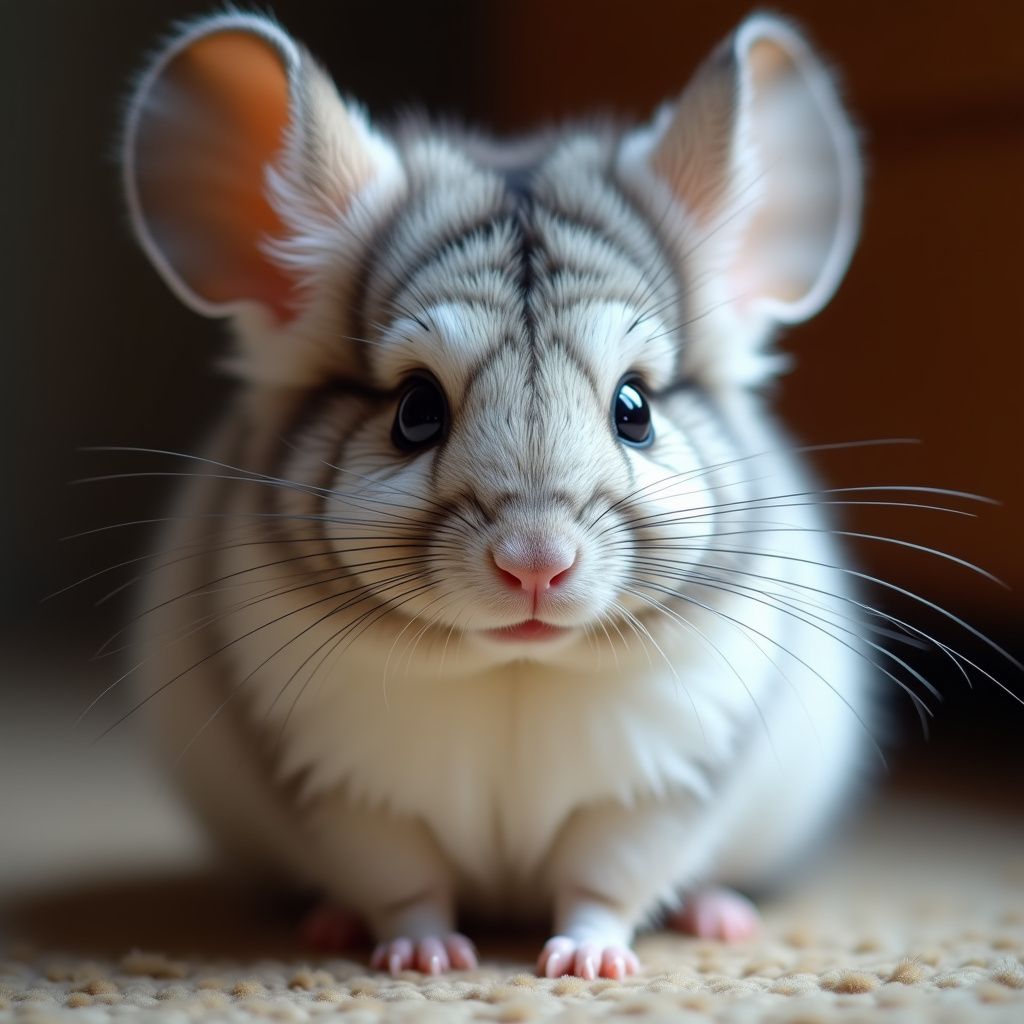
Chinchillas, kuwaas oo ah jiirarka qurux badan ee jilicsan ee u dhashay Buuraha Andes, waxay leeyihiin nidaam neefsan oo jilicsan oo u baahan feejignaan gaar ah milkiilayaasha xayawaanka rabaayada ah. Cabbirkooda yar iyo farsamadooda gaarka ah waxay ka dhigaan inay u nugul yihiin dhibaatooyinka neefsiga, kuwaas oo si degdeg ah u noqon kara kuwo halis ah haddii aan la xalin. Fahamka sida nidaamkooda neefsigu u shaqeeyo iyo aqoonsiga dhibaatooyinka suurtagalka ah waxay gacan ka geysan kartaa xaqiijinta in chinchilla-kaagu caafimaad qabo oo faraxsan yahay. Maqaalkan, waxaan baari doonnaa aasaaska nidaamka neefsiga chinchilla, dhibaatooyinka caadiga ah, iyo talooyin wax ku ool ah oo lagu ilaaliyo falgalka.
Sida Nidaamka Neefsigu U Shaqeeyo
Nidaamka neefsiga chinchilla wuxuu la mid yahay naasleyda kale laakiin waxaa lagu habeeyay asalka sare ee buuraha. Sambabkoodu waa yaryar laakiin waxtar leh, looguna talagalay in laga soo saaro oksijiinka hawada buuraha khafiifka ah. Hawadu waxay soo gashaa dhexdooda sanka yar, waxayna u safartaa dhuunta, oo ay soo gasho sambabada, halkaas oo oksijiinka looga beddelo kaarboon laba oksaiid. Neefsashadooda degdegga ah—ku dhawaad 40 ilaa 100 neefsasho daqiiqaddii marka ay nasanayaan—waxay ka tarjumaysaa dheef-shiid kiimikaheed sare iyo baahida si joogto ah loo helo oksijiin. Nidaamkan degdegga ah, si kastaba ha ahaatee, waxa uu sidoo kale macnaheedu yahay in wax kasta oo cuncun ama infekshan ah ay si degdeg ah u korri karaan, maadaama haweenka neefsashadooda yaryar si fudud loo xannibi karo ama loo barari karo.
Chinchillas sidoo kale waa kuwa neefsashada sanka ah ee qasabka ah, taasoo macnaheedu yahay inay ugu horreynta neefsadaan dhexdooda sanka. Tani waxay ka dhigaysaa hawo nadiif ah iyo jawi aan boodh lahayn mid muhiim ah, maadaama marinnada sanka ay cuncun karaan tayada hawo xun ama boodh badan oo ka yimaada sariirta ama cawska. Haynta meelihii ay ku nool yihiin ee hawo wanaagsan leh oo aan cuncun lahayn waa saldhigga caafimaadka neefsiga.
Dhibaatooyinka Neefsiga Caadiga Ah ee Chinchillas
Dhibaatooyinka neefsiga waa kuwooda caafimaad ee ugu caansan chinchillas, inta badan waxaa sababa arrimo deegaanka ah ama infekshanno. Infekshannada neefsiga sare (URIs) waxay ka soo baxi karaan bakteeriyada sida Pasteurella ama Bordetella, taasoo horseeda astaamo sida hindhiso, dheecan sanka, iyo neefsasho adag. Pneumonia, xaalad aad u daran, ayaa soo socon karta haddii infekshanku ku faafto sambabada, oo leh heerka dhimashada ilaa 30-50% haddii aan la daweyn. Cadaadis, cunto liita, iyo ciriiri badan waxay daciifin karaan nidaamka difaaca jirka, taasoo ka dhigaysa inay u nugul yihiin xaaladahan.
Arrimo deegaanka ayaa sidoo kale door weyn ku leh. Soo-gaadhista qiiqa ammonia ee qafisyada wasakh ah, sariirta boodhka ah, ama qoyaan sare (ka sarreeya 60%) waxay cuncun kartaa haweenka neefsashada waxayna horseedi kartaa neefsasho adag joogto ah. Chinchillas sidoo kale waa kuwo xasaasi u ah heerkulka xad-dhaafka ah—wax kasta oo ka sarreeya 75°F (24°C) waxay keeni kartaa cadaadis kulayl, oo inta badan u muuqda neefsasho degdeg ah oo gaagaaban.
Calaamadaha Neefsashada Adag
Sidii milkiile chinchilla ah, feejignaan ku aaddan isbeddellada dhaqanka ama neefsashada waa furaha. U fiirinta calaamadahan digniinta ee dhibaatooyinka neefsiga:
- Hindhiso ama neefsasho xiiqan
- Dheecan sanka (nadiif ah, huruud ah, ama cagaaran)
- Neefsasho adag ama degdeg ah
- Daalli ama rabitaan yaraan
- Dhawaaqyo gujis ama dildilaac marka neefsanayaan
Talooyin Wax-ku-ool ah oo Caafimaadka Neefsiga ah
Haynta nidaam neefsan oo caafimaad qaba chinchilla-gaagu waxay ka bilaabataa deegaankooda iyo nidaamka daryeelka. Halkan waxaa jira talooyin wax-ku-ool ah:
- Nadiifiye Qafiskooda: Nadiifiye qafiska ugu yaraan todobaadkii mar si aad uga hortagto ururka ammonia ee ka yimaada saddexda. Isticmaal jeermiska xayawaanka-nadiif ah oo ka fogaada kiimikooyinka adag ee cuncun kara sambabadooda.
- Dooro Sariirta Boodhka Hoose: Dooro sariirta warqadda ku salaysan ama xiirayaasha aspen halkii pine ama cedar, kuwaas oo sii daaya saliidyo udgoon oo dhaawici kara haweenka neefsashada.
- Xakamee Qoyaan iyo Heerkulka: Hayn meelooda u dhaxaysa 60-70°F (16-21°C) oo leh qoyaan ka hooseeya 60%. Isticmaal qoyaan-tuuriye haddii loo baahdo, gaar ahaan cimilada qoyan.
- Bixi Hawo Wanaagsan: Dhig qafiskooda meel hawo wanaagsan leh, laakiin ka fogaada qabowga tooska ah ama isbeddellada degdegga ah ee heerkulka.
- La soco Tayada Cawska: Bixi caws cusub oo aan boodh lahayn. Gilgish cawska dibadda ka hor inta aan la gelin qafiska si aad u yareyso qaybaha boodhka.
- Xaddid Cadaadiska: Ka fogaada dhawaaqyada weyn ama isbeddellada degdegga ah ee deegaankooda, maadaama cadaadisku daciifin karo nidaamka difaaca jirka oo ka sii daro dhibaatooyinka neefsiga.
Goorta La Doondoono Daryeelka Beterinary
Xitaa daryeelka ugu wanaagsan, dhibaatooyinka neefsiga way soo baxi karaan. Haddii chinchilla-gaagu muujiyo calaamado kasta oo dhib ah, booqashada dhakhtarka xayawaanka waa mid aan laga hor istaagi karin. Wax-ka-qabashada hore ee antibiyootiga ama daryeelka taageerada ayaa farqi weyn samayn kara. Xusuuso in chinchillas inta badan qariyaan cudurro ilaa ay aad u horumaraan, sidaa darteed waxa u muuqda hindhiso yar ayaa noqon karta calaamad wax ka sii daran. Dhakhtarka xayawaanka ayaa samayn kara baarista jirka, raajo-qaadista, ama dhaqamo si uu si sax ah u ogaado arrinta.
Gabagabo
Nidaamka neefsiga chinchilla-gaagu waa qayb muhiim ah oo ka mid ah caafimaadkooda guud, oo adiga oo ah milkiilaha xayawaanka rabaayada ah, waxaad door muhiim ah ku leedahay ilaalintiisa. Adiga oo siinaya deegaan nadiif ah oo cadaadis yar leh oo feejigan calaamadaha dhibka, waxaad gacan ka geysan kartaa ka hortagga dhibaatooyin badan oo neefsan oo caadi ah. Fikir yar ayaa jid dheer u socda—ka dib, chinchilla caafimaad qaba waa wehel farxad leh oo cusboonaysiin ah oo diyaar u ah inuu farxad u keeno gurigaaga!