Razumevanje mutacij barve pri činčilah
Če ste lastnik ali vzreditelj činčil, ste verjetno opazili osupljivo raznolikost barv, v katerih se lahko pojavijo ti ljubki glodavci. Te variacije so rezultat mutacij barve, genetskih sprememb, ki vplivajo na pigmentacijo krzna činčile. Razumevanje mutacij barve je bistveno za lastnike hišnih ljubljenčkov, zlasti če razmišljate o vzreji ali pa želite samo izvedeti več o edinstvenem videzu vaše činčile. Poglobimo se v fascinantni svet genetike činčil in raziščimo, kako delujejo te mutacije, katere barve obstajajo in kako skrbeti za činčile različnih odtenkov.
Kaj so mutacije barve?
Mutacije barve nastanejo zaradi sprememb v genih, odgovornih za pigmentacijo krzna. V divjini imajo činčile običajno standardno sivo krzno, ki zagotavlja kamuflažo pred plenilci. Ta naravna barva je znana kot "standardno sivo" ali "divji tip". Vendar pa so z selektivno rejo v ujetništvu razvile različne mutacije, ki so rezultat mavrice barv, kot so bela, beige, vijolična, safirna in črni samet, med drugimi.
Te mutacije so dedne lastnosti, ki se prenašajo od starša na potomca prek dominantnih ali recesivnih genov. Na primer, činčila z dominantno mutacijo, kot je Black Velvet, bo izrazila lastnost, če podeduje samo eno kopijo gena, medtem ko recesivne mutacije, kot je Sapphire, zahtevajo dve kopiji (eno od vsakega starša), da so vidne. Po genetskih študijah je bilo pri činčilah identificiranih več kot 20 različnih mutacij barve, vsaka z edinstvenimi lastnostmi in vzorci dedovanja.
Pogoste mutacije barve in njihove lastnosti
Tukaj je nekaj najbolj priljubljenih mutacij barve, s katerimi se lahko srečate kot lastnik činčile:
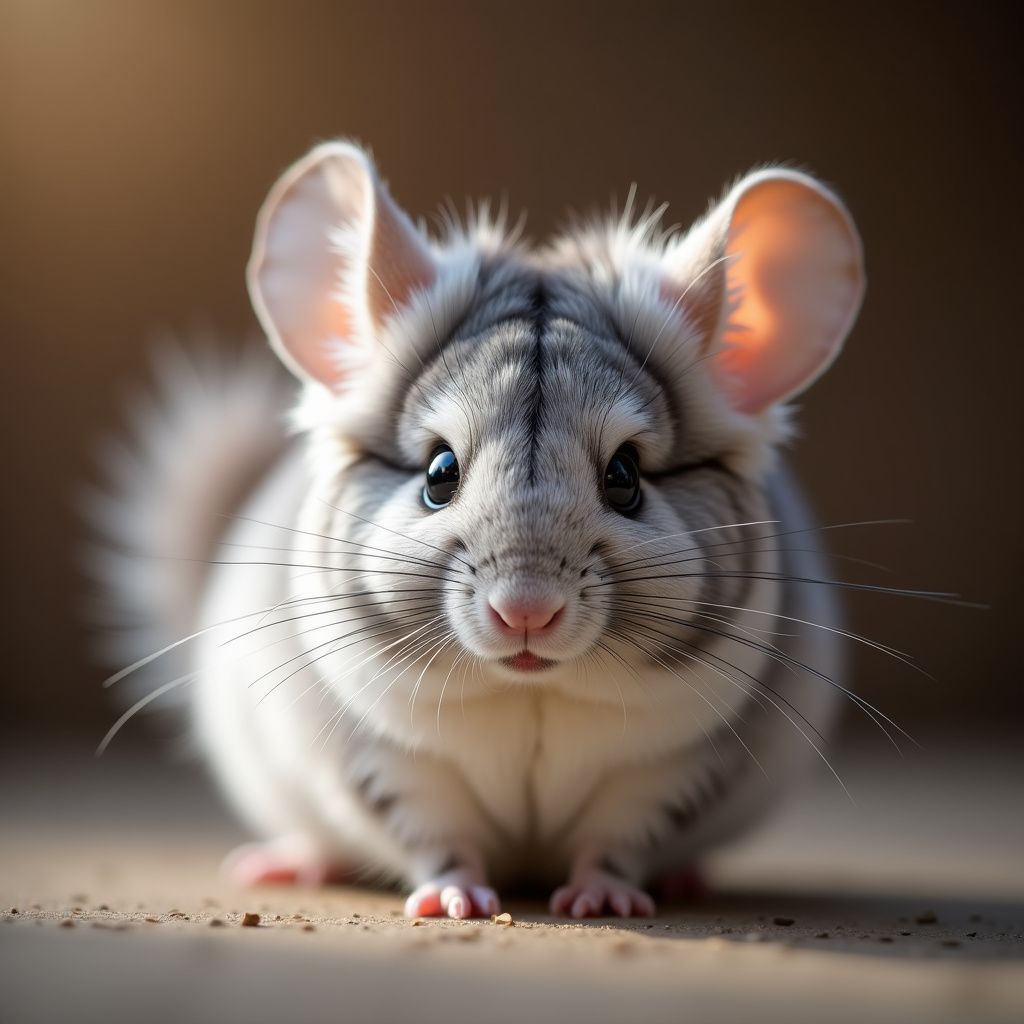
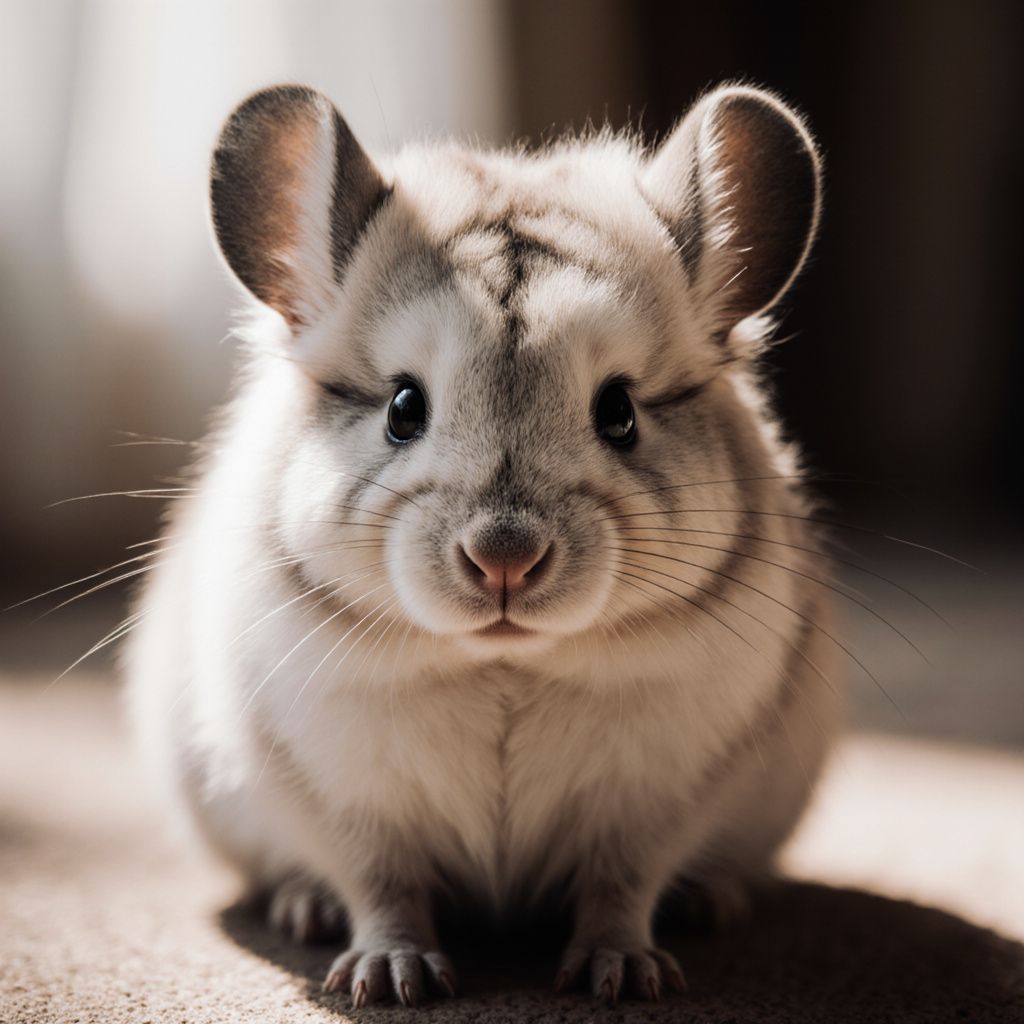
- Standardno sivo: Naravna barva z temnim sivim podkrznom in svetlejšimi konicami, ki dajejo videz popra in soli.
- Beige: Krema barva svetlo rjave, pogosto z mehkejšim videzom. To je dominantna mutacija.
- Bela (Wilson White ali Silver): Čisto belo krzno z temnimi očmi. Beli činčili lahko nosijo druge gene, kar vodi do edinstvenih kombinacij.
- Black Velvet: Očarljiva mutacija s temnim črnim krznom in izrazitim belim trebuhom. To je dominantna lastnost in ena najbolj iskanih barv.
- Vijolična: Mehak sivkasto-vijoličen odtenek, ki je recesivna mutacija in zahteva, da oba starša nosita gen.
- Sapphire: Modrikasto-sivo krzno, tudi recesivno, s subtilnim sijajem, ki ga naredi izstopajočega.
Vzreja in genetski premisleki
Če razmišljate o vzreji činčil, je razumevanje mutacij barve ključno za napovedovanje barv potomcev in izogibanje zdravstvenim težavam. Nekatere mutacije, kot je smrtni gen, povezan z določenimi belimi kombinacijami (znan kot "lethal factor"), lahko povzročijo nepreživetje potomcev, če se pari dve beli činčili. Vedno raziščite genetsko ozadje svojih činčil ali se posvetujte z uglednim vzrediteljem, da se izognete takim parom.
Praktičen nasvet je uporaba genetskega kalkulatorja ali tabele, ki sta široko na voljo na spletu, za napovedovanje možnih barvnih izidov na podlagi mutacij staršev. Vodite podrobne evidence o rodovniku svojih činčil, da sledite dominantnim in recesivnim lastnostim. Ne pozabite, da vzreja vedno mora dati prednost zdravju in blaginji živali pred doseganjem določene barve.
Nasveti za nego različnih mutacij barve
Čeprav mutacije barve ne spremenijo bistveno potreb po negi činčile, je treba upoštevati nekaj stvari:
- Vzdrževanje krzna: Svetlejše barve, kot sta Bela ali Beige, lažje pokažejo umazanijo, zato zagotovite čisto okolje in redne prašne kopeli (2-3 krat na teden) z visokokakovostnim prahom za činčile, da ohranite sijaj njihovega krzna.
- Občutljivost na temperaturo: Temnejše barve, kot je Black Velvet, vpijajo več toplote, zato spremljajte temperaturo kletke (idealno 15-21 °C), da preprečite pregrevanje, zlasti v toplih podnebjih.
- Spremljanje zdravja: Nekatere mutacije, zlasti recesivne, kot sta Violet ali Sapphire, so lahko povezane z manjšimi velikostmi vrst ali nekoliko šibkejšimi telesnimi konstitucijami. Redni pregledi pri veterinarju (vsaj letno) lahko pomagajo zgodaj odkriti morebitne težave.
Zakaj so mutacije barve pomembne za lastnike
Poleg estetike učenje o mutacijah barve pomaga ceniti raznolikost in zgodovino vzreje činčil. Ne glede na to, ali svoje činčile kažete na dogodkih ali pa uživate v njihovem edinstvenem videzu doma, poznavanje njihove genetske sestave lahko poglobi vašo vez in usmeri boljše prakse nege. Poleg tega je to odličen začetek pogovora s sorodnimi ljubitelji činčil!
Če niste prepričani o mutaciji barve vaše činčile, se obrnite na vzreditelja ali organizacijo za reševanje činčil za pomoč pri identifikaciji. Pridružitev spletnih forumov ali lokalnih klubov činčil vam lahko prav tako zagotovi dragocene vpoglede in povezave z drugimi navdušenci nad temi pisanimi bitji. Z ustreznim znanjem in nego bo vaša činčila – ne glede na odtenek – uspevala kot priljubljeni spremljevalec.