
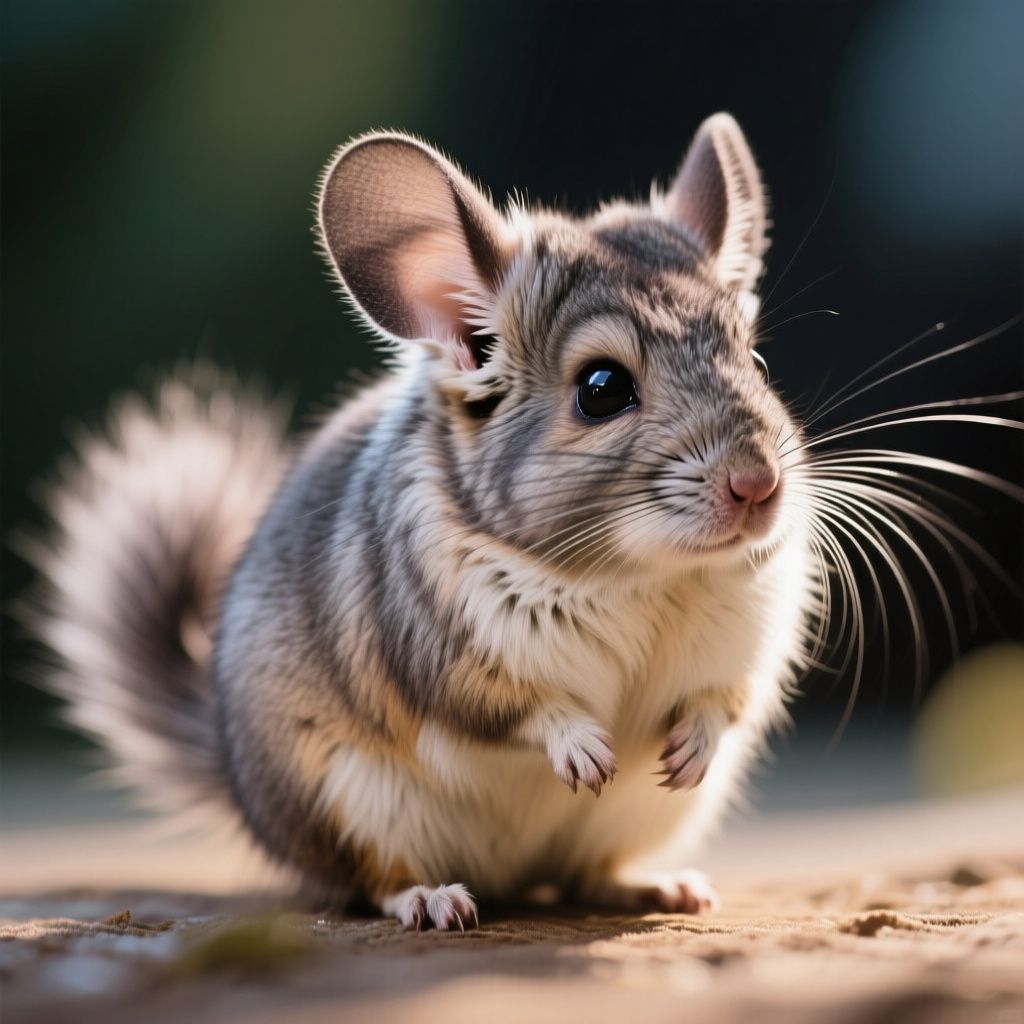
درک مشکلات گوارشی در چینچیلاها
مشکلات گوارشی از شایعترین نگرانیهای سلامتی در چینچیلاها هستند و به عنوان صاحب حیوان خانگی، تشخیص علائم و دانستن نحوه واکنش میتواند تفاوت قابل توجهی در وضعیت رفاهی حیوان شما ایجاد کند. چینچیلاها دارای سیستم گوارشی حساسی هستند که برای رژیم غذایی پر فیبر و کمچربی طراحی شده است و هرگونه اختلالی میتواند منجر به شرایط جدی مانند استازی گوارشی (gastrointestinal stasis)، نفخ یا اسهال شود. این مشکلات اگر به موقع درمان نشوند، میتوانند تهدیدکننده حیات باشند، بنابراین درک علل، علائم و استراتژیهای پیشگیری برای هر صاحب چینچیلا ضروری است.
مشکلات گوارشی شایع
چینچیلاها مستعد چندین بیماری گوارشی هستند که عمدتاً به دلیل نیازهای غذایی منحصربهفردشان ایجاد میشود. استازی گوارشی (GI stasis)، که اغلب "GI stasis" نامیده میشود، زمانی رخ میدهد که سیستم گوارشی کند یا متوقف شود و مانع حرکت غذا از طریق روده شود. این وضعیت اگر درمان نشود، میتواند ظرف ۲۴-۴۸ ساعت کشنده باشد، زیرا منجر به تجمع گاز و سموم میشود. نفخ (bloat)، یک وضعیت مرتبط، شامل تجمع بیش از حد گاز در معده یا رودهها است که باعث درد و ناراحتی میشود. اسهال، هرچند کمتر شایع، میتواند ناشی از عدم تعادل غذایی یا عفونتها باشد و اگر مدیریت نشود، منجر به کمآبی شود. در نهایت، مشکلات دندانی مانند رشد بیش از حد دندانها میتواند به طور غیرمستقیم باعث مشکلات گوارشی شود، زیرا جویدن مناسب غذاهای فیبری مانند یونجه را که برای سلامت روده حیاتی است، مختل میکند.
علل و عوامل خطر
علت اصلی مشکلات گوارشی در چینچیلاها، رژیم غذایی نامناسب است. چینچیلاها نیاز به دسترسی نامحدود به یونجه تیموتی با کیفیت بالا دارند که فیبر لازم برای حرکت سیستم گوارشیشان را فراهم میکند. دادن بیش از حد تنقلات، پلتها یا غذاهای شیرین مانند میوهها میتواند تعادل رودهایشان را مختل کند، زیرا سیستم آنها برای تحمل قند یا چربی بالا طراحی نشده است. استرس، کمبود ورزش، کمآبی و تغییرات ناگهانی رژیم غذایی نیز میتوانند به مشکلات کمک کنند. علاوه بر این، چینچیلاها مستعد تشکیل توپهای مو (trichobezoars) از گرومینگ هستند که اگر فیبر کافی مصرف نشود تا مو از دستگاه گوارش عبور کند، میتواند باعث انسداد شود.
علائمی که باید مراقب باشید
به عنوان صاحب چینچیلا، هوشیار ماندن نسبت به علائم پریشانی گوارشی حیاتی است. علائم شایع شامل کاهش اشتها یا امتناع کامل از خوردن است که یک علامت هشدار قرمز است، زیرا چینچیلاها معمولاً به طور مداوم غذا میخورند. به گلولههای مدفوع کوچکتر، نامنظم یا عدم وجود آنها توجه کنید، زیرا این نشاندهنده کندی هضم است. بیحالی، وضعیت خمیده یا ساییدن دندانها (نشانه درد) نیز علائم هشداردهنده هستند. نفخ ممکن است باعث بادکردگی قابل مشاهده شکم شود، در حالی که اسهال منجر به مدفوع مرطوب و نرم به جای گلولههای کوچک و خشک معمول میشود. اگر هر کدام از این علائم را مشاهده کردید، فوراً با دامپزشکی که تجربه حیوانات اگزوتیک دارد تماس بگیرید، زیرا تأخیر میتواند وضعیت را بدتر کند.
نکات پیشگیری و مراقبت
پیشگیری از مشکلات گوارشی با ارائه رژیم غذایی مناسب شروع میشود. مطمئن شوید چینچیلای شما دسترسی نامحدود به یونجه تیموتی تازه دارد—هدف، تودهای به اندازه اندازه بدنش روزانه است. پلتها را به ۱-۲ قاشق غذاخوری در روز محدود کنید و از تنقلات شیرین مانند کشمش یا میوه خشک که میتواند معدهشان را به هم بریزد، اجتناب کنید. آب تازه و تمیز همیشه باید در دسترس باشد تا از کمآبی جلوگیری شود. ورزش را با فراهم کردن قفس جادار و زمان بازی ایمن خارج از قفس تشویق کنید، زیرا فعالیت بدنی از هضم سالم حمایت میکند. از تغییرات ناگهانی رژیم غذایی اجتناب کنید؛ غذاهای جدید را اگر لازم است، طی ۷-۱۰ روز به تدریج معرفی کنید. به طور منظم دندانهای چینچیلای خود را برای رشد بیش از حد بررسی کنید، زیرا مشکلات دندانی میتواند توانایی خوردن مناسب یونجه را مختل کند.
اگر مشکوک به مشکل گوارشی هستید، بدون راهنمایی دامپزشکی به درمانهای خانگی اقدام نکنید. در حالی که منتظر کمک حرفهای هستید، چینچیلای خود را گرم و راحت نگه دارید و از force-feeding اجتناب کنید مگر اینکه دامپزشک دستور دهد. برخی دامپزشکان ممکن است سیمتیکون (simethicone) (داروی تسکین گاز که در دوزهای کوچک برای چینچیلاها ایمن است) را برای نفخ توصیه کنند، اما دوز باید دقیق باشد—معمولاً ۱-۲ قطره برای چینچیلای ۲ پوندی، طبق توصیه دامپزشک.
چه زمانی به کمک دامپزشکی نیاز دارید
مشکلات گوارشی میتوانند به سرعت تشدید شوند، پس منتظر نمانید تا ببینید علائم خودبهخود بهبود مییابند. اگر چینچیلای شما بیش از ۱۲ ساعت غذا نخورد، علائم درد نشان داد یا مدفوعی نداشت، فوراً مراقبت دامپزشکی بگیرید. یک دامپزشک متخصص حیوانات اگزوتیک میتواند اشعه ایکس انجام دهد، درمان مایعات ارائه کند یا داروهایی برای راهاندازی مجدد سیستم گوارشی تجویز کند. مداخله زودهنگام اغلب تفاوت بین بهبودی و نتیجه غمانگیز را تعیین میکند، پس به غریزهتان اعتماد کنید و سریع عمل کنید.
با حفظ رژیم غذایی مناسب، نظارت بر رفتار چینچیلای خود و جستجوی مراقبت سریع در صورت نیاز، میتوانید به حفظ تعادل سیستم گوارشی حساس آنها کمک کنید و زندگی شاد و سالمی برای دوست پشمالوی خود تضمین کنید.