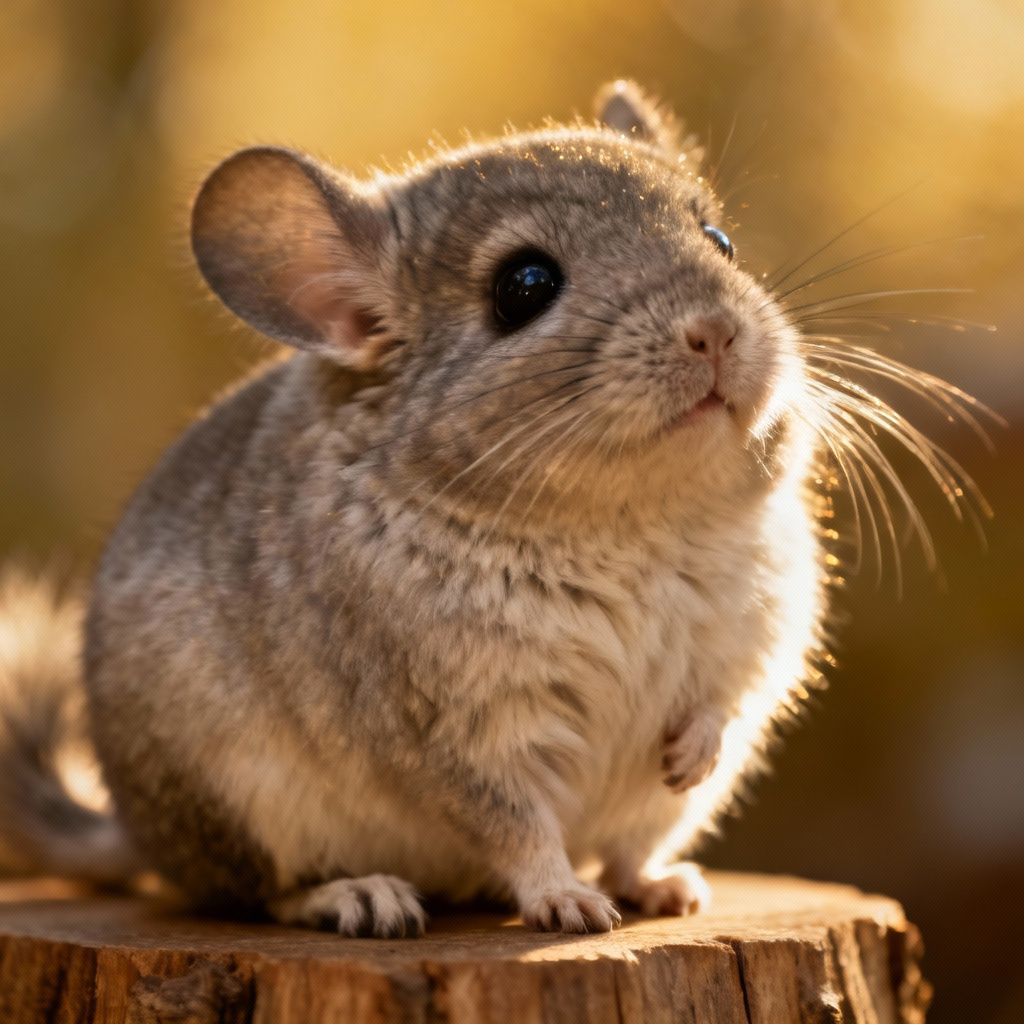
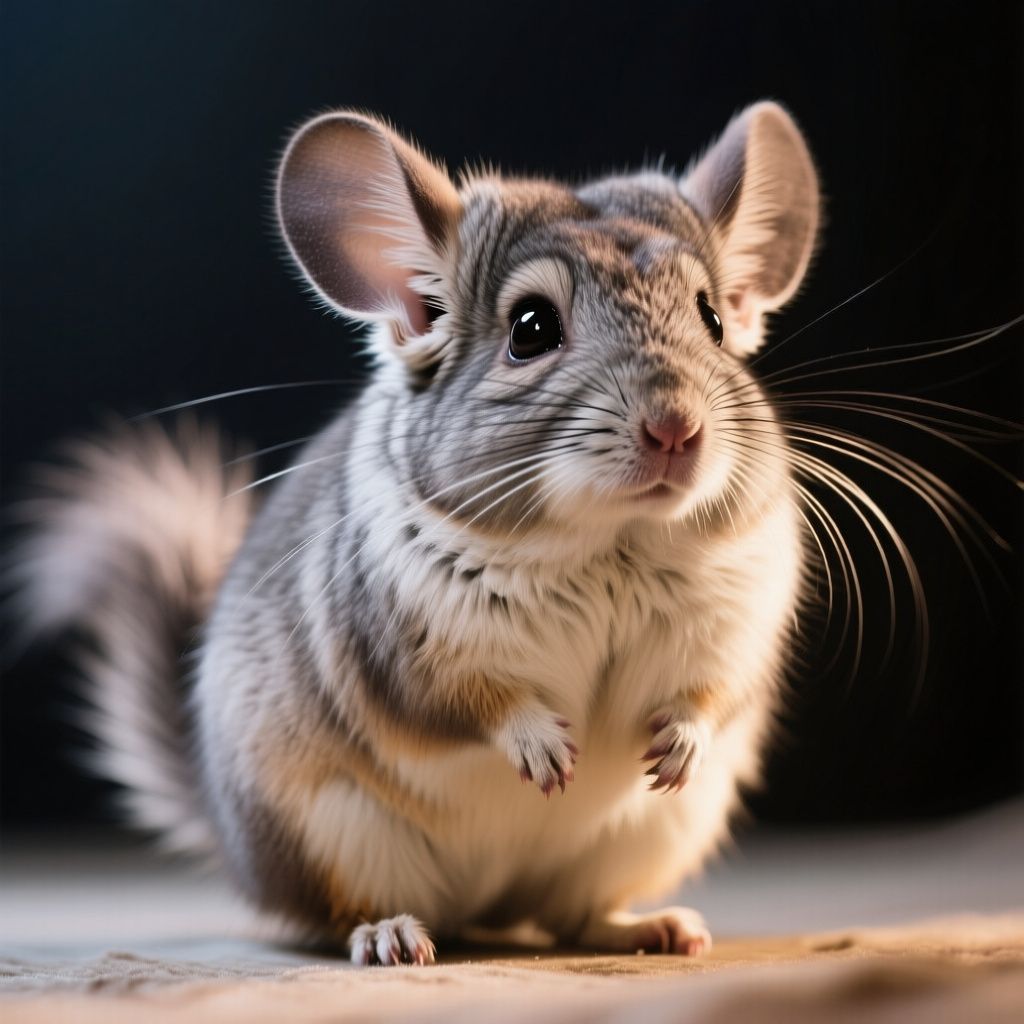
شناخت کنههای گوش و مشکلات گوش در Chinchilla
کنههای گوش و سایر مشکلات مرتبط با گوش در chinchillaها غیرمعمول نیستند، و به عنوان صاحب حیوان خانگی، مهم است که علائم را تشخیص دهید و بلافاصله اقدام کنید. Chinchillaها گوشهای حساسی دارند، و مشکلاتی مانند کنهها، عفونتها یا آسیبها میتوانند باعث ناراحتی شوند و اگر درمان نشوند، به مشکلات سلامتی جدیتری منجر گردند. خوشبختانه، با مراقبت و توجه مناسب، میتوانید به حفظ سلامت گوش chinchilla خود کمک کنید و مشکلات را قبل از تشدید حل کنید.
کنههای گوش چیستند؟
کنههای گوش حشرات انگلی ریز هستند، که رایجترین آنها Otodectes cynotis است و کانال گوش chinchillaها را آلوده میکنند. این کنهها از جرم گوش و ذرات پوست تغذیه میکنند و باعث تحریک و التهاب میشوند. در حالی که کنههای گوش بیشتر با گربهها و سگها مرتبط هستند، chinchillaها نیز میتوانند به آنها مبتلا شوند، به ویژه اگر با حیوانات آلوده دیگر یا محیطهای آلوده تماس داشته باشند. کنههای گوش بسیار مسری هستند، بنابراین اگر چند حیوان خانگی دارید، جداسازی chinchilla آلوده حیاتی است تا از گسترش جلوگیری شود.
علائم کنههای گوش شامل خاراندن بیش از حد گوشها، تکان دادن سر، و ترشح تیره و خردشده شبیه تفاله قهوه در داخل کانال گوش است. همچنین ممکن است قرمزی یا دلمه اطراف گوش به دلیل تحریک مشاهده کنید. اگر درمان نشود، کنههای گوش میتوانند به عفونتهای باکتریایی ثانویه منجر شوند که ممکن است باعث کاهش شنوایی یا عوارض شدیدتر گردند.
سایر مشکلات رایج گوش
علاوه بر کنهها، chinchillaها میتوانند مشکلات گوش دیگری مانند عفونتهای باکتریایی یا قارچی تجربه کنند که اغلب به دلیل بهداشت ضعیف، رطوبت بالا یا آسیبها ایجاد میشوند. عفونتها میتوانند با علائمی مانند بوی بد، ترشح چرکمانند یا کج شدن سر ظاهر شوند که ممکن است نشاندهنده مشکل گوش داخلی و اختلال تعادل باشد. آسیب به گوش، مانند خراش ناشی از بازی خشن یا مواد تیز قفس، نیز میتواند اگر باکتری وارد زخم شود به عفونت منجر گردد. علاوه بر این، تجمع بیش از حد جرم گوش، هرچند نادر، میتواند باعث ناراحتی شود و باید نظارت گردد.
تشخیص و مراقبت دامپزشکی
اگر مشکوک هستید که chinchilla شما به کنههای گوش یا مشکل گوش دیگری مبتلا است، مراجعه به دامپزشک متخصص حیوانات اگزوتیک ضروری است. دامپزشکان معمولاً کانال گوش را با اتوسکوپ بررسی میکنند و ممکن است نمونهای از ترشح بگیرند تا وجود کنهها را تأیید کنند یا باکتریها یا قارچها را زیر میکروسکوپ شناسایی نمایند. کنههای گوش اغلب به صورت نقاط سفید ریز متحرک در کانال گوش قابل مشاهده هستند. درمان معمولاً شامل داروهای موضعی تجویزی مانند ivermectin یا selamectin برای کشتن کنهها، یا آنتیبیوتیک برای عفونتهای باکتریایی است. دستورالعملهای دوز دامپزشک را با دقت رعایت کنید، زیرا chinchillaها به بسیاری از داروها حساس هستند و مصرف بیش از حد میتواند مضر باشد.
هرگز سعی نکنید داخل گوش chinchilla خود را با سواب پنبهای عمیق تمیز کنید، زیرا این کار میتواند ذرات را بیشتر به داخل فشار دهد یا به کانال گوش حساس آسیب بزند. اگر تمیز کردن لازم باشد، دامپزشک تکنیک صحیح را با استفاده از محلول ایمن نشان خواهد داد.
نکات پیشگیری برای گوشهای سالم
پیشگیری از مشکلات گوش با مدیریت خوب شروع میشود. قفس chinchilla خود را تمیز و خشک نگه دارید، زیرا محیطهای مرطوب میتوانند رشد قارچ را تشویق کنند و انگلها را جذب نمایند. به طور منظم گوش حیوان خانگیتان را برای ترشح غیرعادی، قرمزی یا بو بررسی کنید—به طور ایدهآل یک بار در هفته طی چکآپهای روتین سلامتی. اگر حیوان خانگی جدیدی معرفی میکنید، آنها را حداقل ۳۰ روز قرنطینه کنید تا علائم کنهها یا سایر بیماریهای مسری را نظارت کنید قبل از اجازه تماس با chinchilla خود.
از ازدحام در قفس اجتناب کنید، زیرا استرس میتواند سیستم ایمنی chinchilla را ضعیف کند و آنها را مستعد عفونتها نماید. حمام گرد و غبار را ۲-۳ بار در هفته فراهم کنید تا بهداشت کلی حفظ شود، اما مطمئن شوید گرد تازه و عاری از آلودگی است. در نهایت، تماس با حیوانات دیگر که ممکن است حامل کنه باشند را به حداقل برسانید و پس از دست زدن به حیوانات دیگر، دستهایتان را بشویید و لباسها را عوض کنید.
چه زمانی سریع اقدام کنید
مشکلات گوش میتوانند در chinchillaها به دلیل اندازه کوچک و سیستمهای حساسشان به سرعت بدتر شوند. اگر تکان دادن مداوم سر، از دست دادن تعادل یا عدم واکنش به صداها مشاهده کردید، بلافاصله به دامپزشک مراجعه کنید، زیرا اینها میتوانند نشاندهنده عفونت شدید یا آسیب گوش داخلی باشند. مداخله زودهنگام کلیدی است—مطالعات نشان میدهند که عفونتهای گوش درماننشده در پستانداران کوچک میتوانند در عرض ۷-۱۰ روز به شرایط مزمن پیشرفت کنند.
با هوشیاری و حفظ محیط تمیز و بدون استرس، میتوانید chinchilla خود را از کنههای گوش و سایر مشکلات گوش محافظت کنید. دوست پشمالوی شما به شما وابسته است تا راحت و سالم بماند، و کمی مراقبت پیشگیرانه راه درازی را طی میکند!