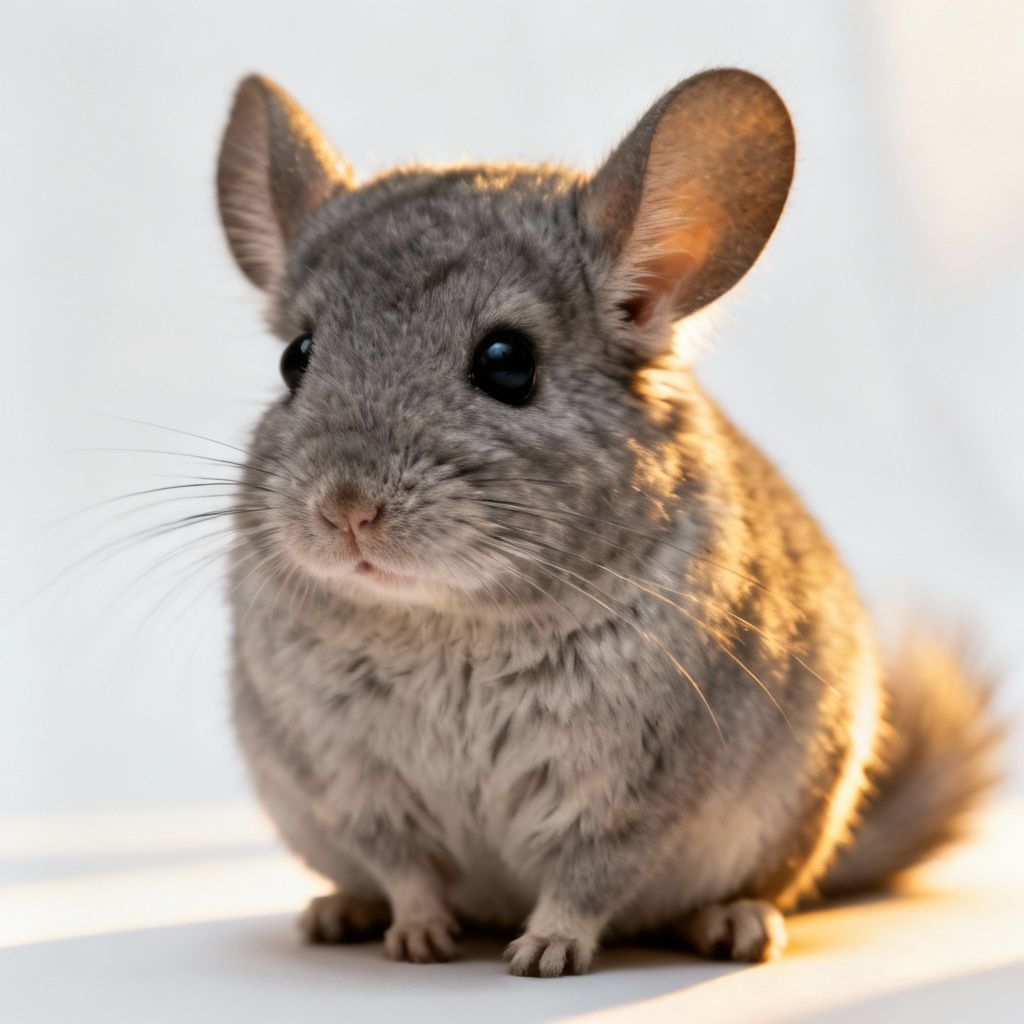
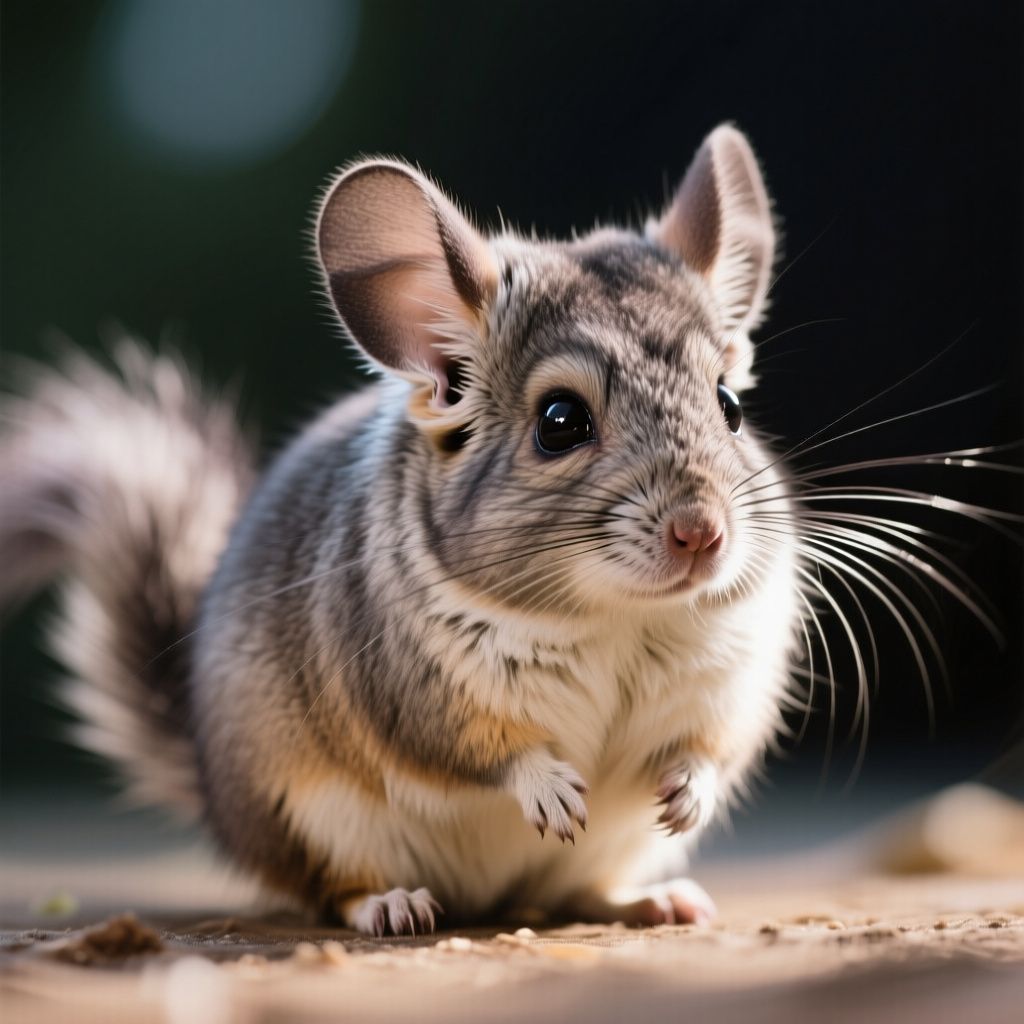
درک گرمای بیش از حد و گرمازدگی در چینچیلاها
چینچیلاها همراهان ناز و پشمالوی بومی کوههای سرد و خشک آند در آمریکای جنوبی هستند. خز ضخیم آنها که به بقا در محیطهای سرد ارتفاعات بالا کمک میکند، آنها را به شدت مستعد گرمازدگی و گرمازدگی در شرایط گرمتر میسازد. به عنوان صاحب چینچیلا، درک خطرات دماهای بالا و نحوه پیشگیری از آنها برای سلامت و شادی حیوان خانگیتان حیاتی است. گرمازدگی میتواند برای چینچیلاها کشنده باشد و دماهایی بالای ۷۵°F (۲۴°C) اگر به درستی مدیریت نشوند، تهدید جدی ایجاد میکنند. بیایید به علل، علائم و استراتژیهای پیشگیری بپردازیم تا چینچیلای شما ایمن بماند.
علل گرمازدگی و گرمازدگی
چینچیلاها برای محیطهای گرم ساخته نشدهاند. خز متراکم آنها—تا ۸۰ مو در هر فولیکول—گرما را به دام میاندازد و خنک شدن را برایشان دشوار میکند. گرمازدگی میتواند زمانی رخ دهد که آنها در معرض دماهایی بالاتر از محدوده راحتشان یعنی ۶۰-۷۰°F (۱۶-۲۱°C) قرار گیرند. علل رایج عبارتند از:
- دمای بالای اتاق: خانه بدون تهویه مطبوع در تابستان یا قفسی که نزدیک منبع گرما مانند رادیاتور یا پنجره آفتابی قرار گرفته باشد.
- تهویه ضعیف: محفظههای خفه یا اتاقهایی با جریان هوای کم که مانع دفع گرما میشوند.
- رطوبت: چینچیلاها در رطوبت پایین (۳۰-۵۰%) شکوفا میشوند. رطوبت بالا همراه با گرما میتواند گرمازدگی را تشدید کند.
- استرس یا فعالیت بیش از حد: فعالیت زیاد در محیط گرم میتواند دمای بدنشان را به طور خطرناکی افزایش دهد.
تشخیص علائم گرمازدگی
گرمازدگی در چینچیلاها میتواند به سرعت تشدید شود، بنابراین تشخیص زودهنگام حیاتی است. اگر چینچیلای شما گرمازده است، ممکن است متوجه شوید:
- بیحالی یا ضعف، اغلب دراز کشیدن به پهلو یا امتناع از حرکت.
- تنفس سریع و سطحی یا نفسنفس زدن، که برای چینچیلاها غیرمعمول است.
- گوشها یا بدن گرم به لمس—گوشهایشان ممکن است قرمز به نظر برسند.
- از دست دادن اشتها یا امتناع از نوشیدن آب.
- تشنج یا فروپاشی در موارد شدید، که نشاندهنده اورژانس پزشکی است.
اقدامات فوری برای گرمازدگی
اگر مشکوک هستید که چینچیلای شما از گرمازدگی رنج میبرد، این مراحل را بلافاصله انجام دهید:
- به آرامی خنکشان کنید: آنها را به مکانی خنکتر (زیر ۷۰°F/۲۱°C اگر ممکن است) منتقل کنید. حولهای خنک و مرطوب (نه یخزده) را دور بدنشان یا زیر قفس قرار دهید، اما از تماس مستقیم با کیسههای یخ اجتناب کنید زیرا میتواند شوک ایجاد کند.
- آب پیشنهاد دهید: آنها را تشویق به نوشیدن آب خنک (نه سرد) کنید تا هیدراته شوند، اما اجبار نکنید.
- با دامپزشک تماس بگیرید: گرمازدگی اورژانس پزشکی است. حتی اگر علائم بهبود یابد، دامپزشک باید حیوان خانگیتان را برای آسیبهای داخلی بررسی کند.
نکات پیشگیری برای صاحبان چینچیلا
جلوگیری از گرمازدگی بسیار آسانتر از درمان آن است. در اینجا راههای عملی برای خنک و راحت نگه داشتن چینچیلای شما آورده شده است:
- حفظ دمای ایدهآل: محیطشان را بین ۶۰-۷۰°F (۱۶-۲۱°C) نگه دارید. در هوای گرم از تهویه مطبوع یا پنکه استفاده کنید و مطمئن شوید پنکه مستقیماً به قفس نمیوزد تا از باد سرد جلوگیری شود.
- نظارت بر رطوبت: اگر سطح رطوبت بیش از ۵۰% باشد، از رطوبتگیر استفاده کنید، زیرا رطوبت بالا استرس گرمایی را بدتر میکند.
- ارائه ابزارهای خنککننده: کاشی سرامیکی یا تخته گرانیت را در قفسشان قرار دهید تا روی آن دراز بکشند—اینها به طور طبیعی خنک میمانند و نقطه استراحت ایمن ارائه میدهند.
- اجتناب از نور مستقیم خورشید: قفسشان را دور از پنجرهها یا منابع گرما قرار دهید. در صورت نیاز از پردههای مسدودکننده نور استفاده کنید.
- اطمینان از تهویه: مطمئن شوید قفس در اتاقی با تهویه خوب است، اما از بادهای شدید که میتواند آنها را سرد کند اجتناب کنید.
- محدود کردن زمان بازی در گرما: در روزهای گرم، زمان بازی فعال خارج از قفس را کاهش دهید، به ویژه در گرمترین ساعات روز.
مراقبت بلندمدت و آگاهی
پرواکتیو بودن در مورد محیط چینچیلایتان بهترین دفاع در برابر گرمازدگی است. در یک دماسنج قابل اعتماد سرمایهگذاری کنید تا دمای قفس را روزانه نظارت کنید و در موجهای گرما یا قطعی برق، برنامه خنککننده پشتیبان—مانند واحدهای AC قابل حمل یا تشکهای خنککننده—را در نظر بگیرید. به یاد داشته باشید که چینچیلاها نمیتوانند به شما بگویند کی خیلی گرمشان است، پس این وظیفه شماست که نیازهایشان را پیشبینی کنید. با کمی مراقبت و توجه، میتوانید اطمینان حاصل کنید که دوست پشمالویتان در تمام طول سال ایمن و راحت بماند، حتی وقتی جیوه بالا میرود. اگر هرگز در مورد وضعیتشان مطمئن نیستید، تردید نکنید و با دامپزشک متخصص حیوانات اگزوتیک برای مشاوره شخصی مشورت کنید.