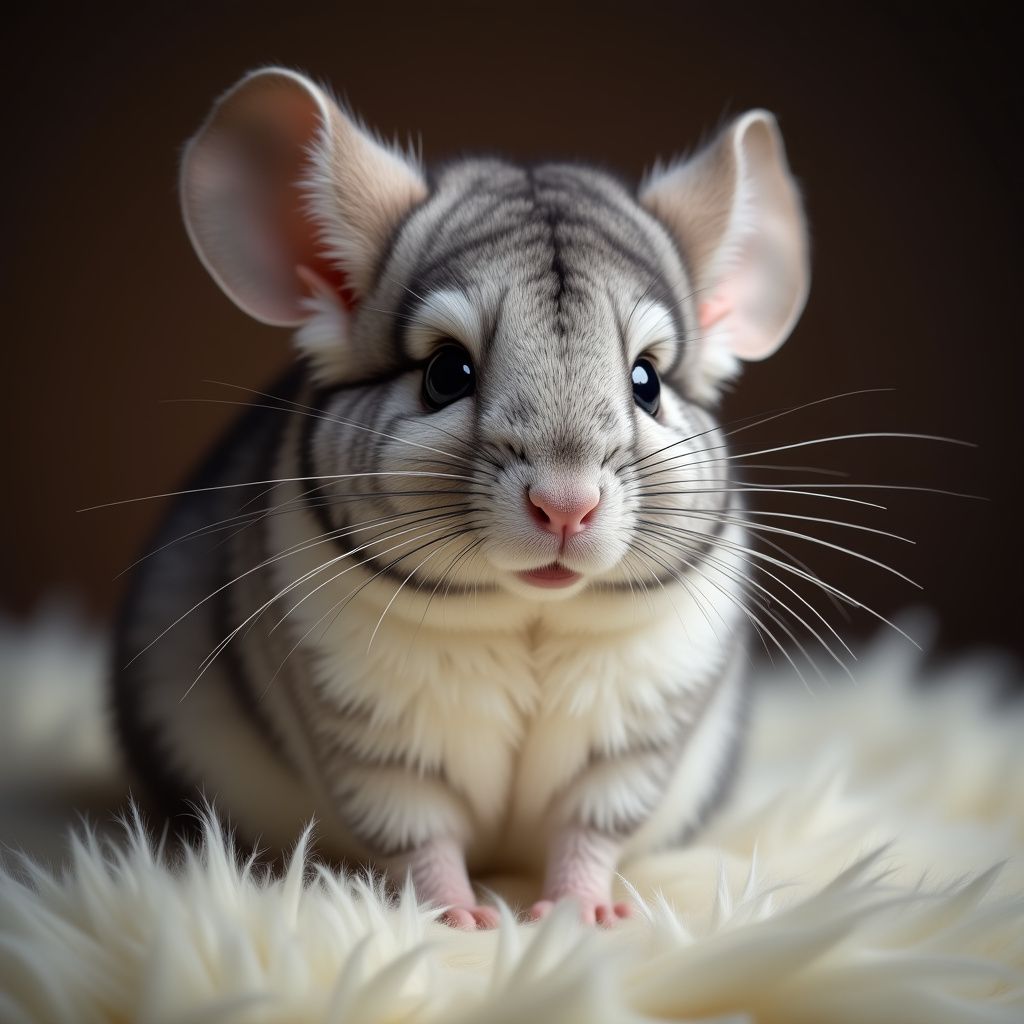
درک استرس در چینچیلاها
چینچیلاها حیوانات خانگی دلپذیر و حساسی هستند که به خاطر خز نرم و شخصیت بازیگوششان شناخته میشوند. با این حال، این جوندگان کوچک بسیار مستعد استرس هستند که میتواند تأثیر قابل توجهی بر سلامت و رفاهشان داشته باشد. استرس در چینچیلاها اغلب از تغییرات محیطی، دستکاری نامناسب یا نیازهای برآورده نشده ناشی میشود. به عنوان صاحب یک چینچیلا، تشخیص علائم استرس و دانستن نحوه کاهش آن برای نگه داشتن حیوان خانگیتان شاد و سالم حیاتی است. استرس مزمن میتواند سیستم ایمنیشان را تضعیف کند، آنها را مستعد بیماریها سازد و حتی عمرشان را که معمولاً با مراقبت مناسب ۱۰ تا ۲۰ سال است، کوتاه کند.
استرس در چینچیلاها از طریق علائم رفتاری و جسمی ظاهر میشود. علائم رایج شامل جویدن بیش از حد خز (که به آن fur barbering هم گفته میشود) است که میتواند منجر به لکههای طاس شود، پنهان شدن بیش از حد معمول، کاهش اشتها یا رفتار تهاجمی مانند گاز گرفتن. ممکن است صداهایی مانند پارس کردن یا ناله کردن را هم بشنوید که سیگنالهای استرس هستند. از نظر جسمی، استرس میتواند به مشکلات گوارشی مانند اسهال یا حتی شرایط شدیدتر مانند gastrointestinal stasis (انسداد بالقوه کشنده) منجر شود.
علل رایج استرس در چینچیلاها
عوامل متعددی میتوانند استرس را در چینچیلاها تحریک کنند که اغلب به محیط یا تعاملاتشان مربوط است. تغییرات ناگهانی مانند جابهجایی قفس به مکان جدید، معرفی حیوان خانگی جدید یا تغییر رژیم غذاییشان میتواند آنها را آشفته کند. چینچیلاها در روتین شکوفا میشوند، بنابراین ثبات کلیدی است. صداهای بلند مانند صدای تلویزیون یا بحثهای خانوادگی نیز میتواند به دلیل شنوایی حادشان آنها را مضطرب کند. علاوه بر این، دستکاری نامناسب—گرفتنشان به طور خشن یا نگه داشتنشان برای مدت طولانی—میتواند آنها را تهدیدشده احساس کند. ازدحام در قفس یا کمبود نقاط پنهان شدن میتواند اضطراب را تشدید کند، زیرا چینچیلاها به فضا و امنیت نیاز دارند تا احساس ایمنی کنند.
دما عامل حیاتی دیگری است. چینچیلاها به گرما حساس هستند و باید در محیطهایی بین ۶۰-۷۰°F (۱۵-۲۱°C) نگه داشته شوند. دماهای بالای ۷۵°F (۲۴°C) میتواند باعث heat stress شود که منجر به بیحالی یا heatstroke میگردد، در حالی که شرایط خیلی سرد میتواند رفتارهای مرتبط با استرس را القا کند زیرا برای گرم ماندن تلاش میکنند.
نکات عملی برای کاهش استرس
خوشبختانه، راههای زیادی برای کمک به چینچیلایتان وجود دارد تا احساس امنیت کند و استرس کاهش یابد. با حفظ روتین روزانه ثابت برای غذا دادن، زمان بازی و تمیز کردن قفس شروع کنید. قفسشان را در ناحیهای آرام و کمترافیک خانه قرار دهید، دور از صداهای بلند و نور مستقیم خورشید. مطمئن شوید قفس جادار است—کارشناسان حداقل ۳ فوت ارتفاع و ۲ فوت عرض به ازای هر چینچیلا را توصیه میکنند—با نقاط پنهان فراوان مانند تونلها یا خانههای چوبی.
چینچیلایتان را به آرامی و فقط در موارد لازم دستکاری کنید. بگذارید به سمت شما بیایند به جای اجبار به تعامل، و از برداشتنشان از دم یا scruff اجتناب کنید. در عوض، بدنشان را با هر دو دست حمایت کنید. دستکاری را به جلسات کوتاه محدود کنید، به ویژه برای حیوانات خانگی جدید، زیرا نیاز به زمان برای ساخت اعتماد دارند.
تحریک ذهنی با اسباببازیهای جویدنی ایمن، dust baths (۲-۳ بار در هفته به مدت ۱۰-۱۵ دقیقه) و فرصتهای کاوش خارج از قفس در ناحیهای امن و chinchilla-proofed فراهم کنید. رژیم غذایی متعادل با hay باکیفیت بالا، pellets و گاهبهگاه treats مانند dried rose hips نیز میتواند سلامت کلیشان را حمایت کند و مسائل مرتبط با استرس را کاهش دهد.
چه زمانی به کمک دامپزشک نیاز دارید
اگر علائم مداوم استرس را مشاهده کردید—مانند جویدن مداوم خز، کاهش وزن یا بیحالی—با دامپزشکی مشورت کنید که تجربهای در حیوانات عجیبوغریب دارد. این علائم میتواند نشاندهنده مشکل سلامتی زیربنایی یا اضطراب شدید باشد که نیاز به مداخله حرفهای دارد. دامپزشک ممکن است تنظیمات محیطی را توصیه کند یا در موارد نادر، دارو برای مدیریت استرس.
با توجه به نیازهای چینچیلایتان و ایجاد محیطی آرام و پایدار، میتوانید استرس را به حداقل برسانید و اطمینان حاصل کنید که زندگی طولانی و شادی به عنوان همراهتان داشته باشند. تغییرات کوچک در مراقبت میتواند تفاوت بزرگی در شادیشان ایجاد کند!