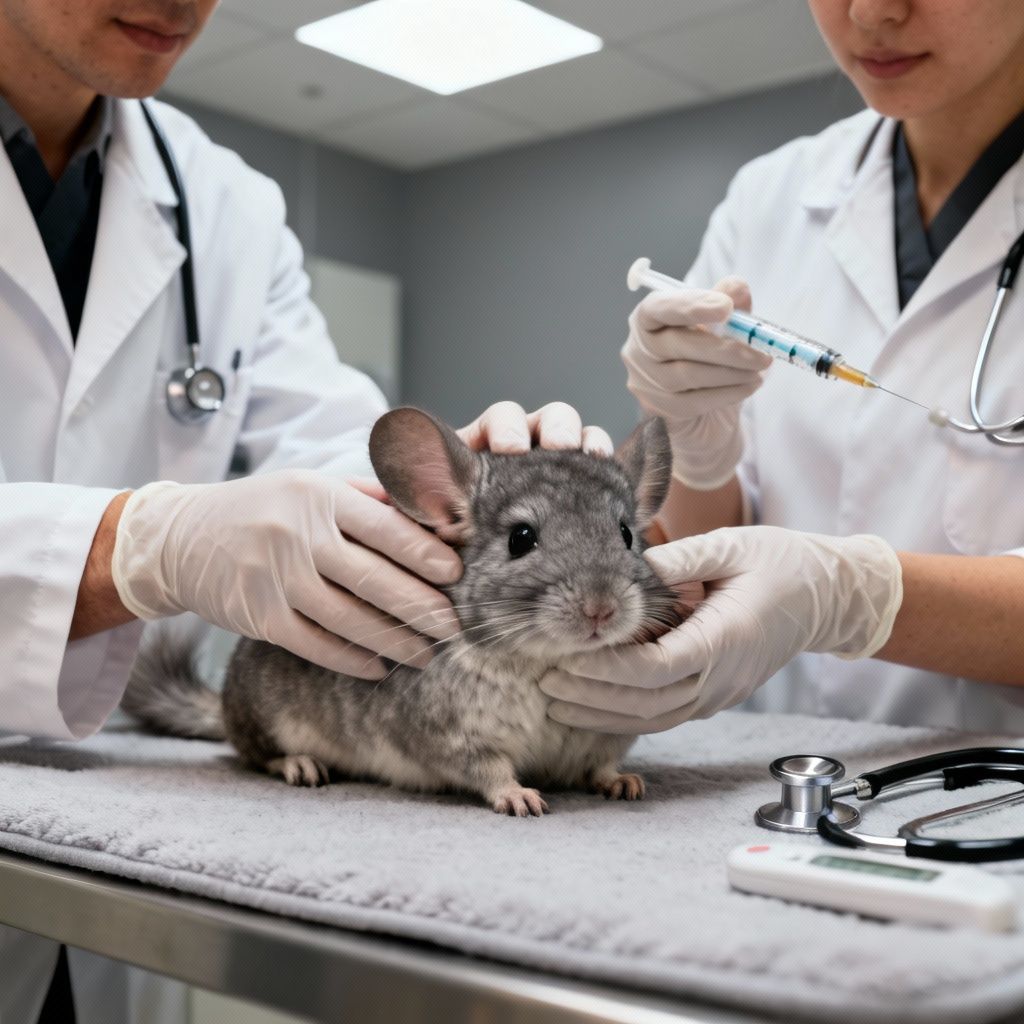
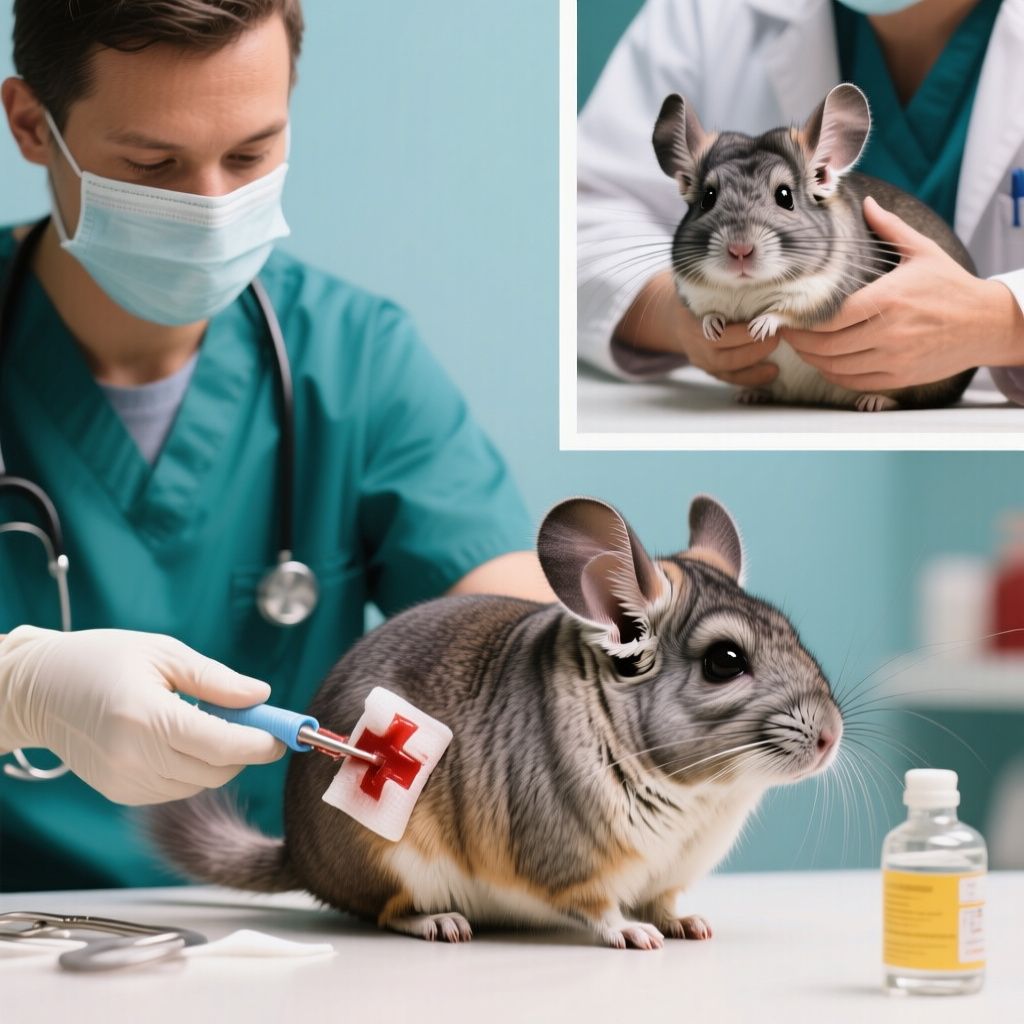
Introducció als Problemes de Salut de la Xinxilla
Tenir una xinxilla comporta la alegria de cuidar una mascota única i delicada. Aquests petits rosegadors esponjosos són coneguts pel seu pèl suau i les seves personalitats juganeres, però també són propensos a problemes de salut específics que requereixen atenció immediata. Saber quan trucar al veterinari pot marcar una gran diferència en el benestar de la vostra xinxilla. Les xinxilles sovint amaguen els signes de malaltia com a mecanisme de defensa natural, per la qual cosa és crucial estar atent a canvis subtils en el comportament o l'aparença. Aquest article ofereix orientacions per reconèixer símptomes que justifiquen una visita al veterinari i consells pràctics per mantenir la salut de la vostra xinxilla.
Símptomes de Malaltia en les Xinxilles
Les xinxilles són mestres en amagar l'incomoditat, per la qual cosa els propietaris han d'estar molt observadors. Si la vostra xinxilla presenta qualsevol dels següents símptomes, és hora de contactar amb un veterinari amb experiència en mascotes exòtiques:
- Lletargia o Reducció de l'Activitat: Les xinxilles són normalment enèrgiques, especialment al vespre. Si la vostra mascota sembla inusualment quieta o no salta i juga, podria indicar dolor o malaltia.
- Pèrdua d'Apetit: Una xinxilla que refusar menjar durant més de 24 hores corre risc de estasi gastrointestinal, una condició potencialment mortal en què el sistema digestiu es lentitza o s'atura.
- Pèrdua de Pes: Controleu el pes de la vostra xinxilla setmanalment amb una balança de cuina petita. Una caiguda sobtada de només 10-15 grams pot assenyalar un problema subjacent.
- Problemes Respiratoris: Escolteu xiuxiueigs, estornuts o respiració feixuga. Les infeccions respiratòries poden agreujar-se ràpidament en les xinxilles a causa de la seva mida petita i sistemes sensibles.
- Problemes Dentals: Els dentes excessivament crescuts són comuns ja que els dentes de la xinxilla creixen contínuament (fins a 5-8 cm per any). La bava, dificultat per menjar o desalineació visible són senyals d'alerta.
- Diarrea o Absència de Femtes: Canvis en les femtes, ja siguin massa toves o absents durant 12-24 hores, solen indicar malestar digestiu.
- Problemes de Pèl o Piel: Zones pelades, rascades excessives o pell escamosa poden apuntar a fur ring (una infecció fúngica) o mastegar de pèl relacionat amb l'estrès.
Situacions d'Emergència que Requereixen Atenció Inmediata
Algunes condicions són emergències i requereixen intervenció veterinària immediata. Truqueu al vostre veterinari immediatament si observeu:
- Convulsions o Tremolors: Aquests poden ser causats per cop de calor (les xinxilles s'escalfen per sobre dels 24°C), baixa glucosa a la sang o problemes neurològics.
- Sangrat o Ferides: Ferides visibles o sang per qualsevol orifici necessiten atenció urgent per prevenir infeccions o pèrdua de sang.
- Inflamació o Abdomen Distès: Això podria indicar un bloqueig potencialment mortal o acumulació de gasos.
- Secreció o Inflamació Ocular: Els problemes oculars poden indicar infecció o lesió i poden provocar pèrdua de visió si no es tracten.
Consells Preventius per Evitar Visites al Veterinari
Tot i que les emergències passen, molts problemes de salut es poden prevenir amb un bon curri. Manteniu un ambient fresc i sec (15-21°C) per evitar cops de calor i problemes respiratoris. Proporcioneu accés il·limitat a fenc de timothy d'alta qualitat per donar suport a la salut dental i digestiva, i limiteu els dolços per prevenir l'obesitat i la càries. Els banys de pols (2-3 vegades per setmana) ajuden a mantenir el pèl net i redueixen les infeccions de la pell, però eviteu l'excés, ja que pot assecar la pell. Inspeccioneu regularment la gàbia per detectar perills com vores tallants que podrien causar lesions, i assegureu-vos que tinguin un espai tranquil i lliure d'estrès per descansar.
Quan Tingueu Dubtes, Contacteu
Si no esteu segurs si un símptoma justifica un viatge al veterinari, millor pecar de prudents. Una trucada ràpida a un veterinari familiaritzat amb xinxilles pot proporcionar tranquil·litat i potencialment salvar la vida de la vostra mascota. Duerem un registre del comportament, hàbits alimentaris i pes de la vostra xinxilla per compartir-lo amb el veterinari; aquesta informació pot ajudar a diagnosticar problemes més ràpidament. Recordeu, la intervenció precoç és clau amb aquests animals petits, ja que la seva salut pot declinar ràpidament. Establir una relació amb un veterinari de confiança en mascotes exòtiques abans que sorgi una emergència us assegura estar preparats quan calgui actuar. La salut de la vostra xinxilla depèn de la vostra atenció, així que informeu-vos i sigueu proactius!