
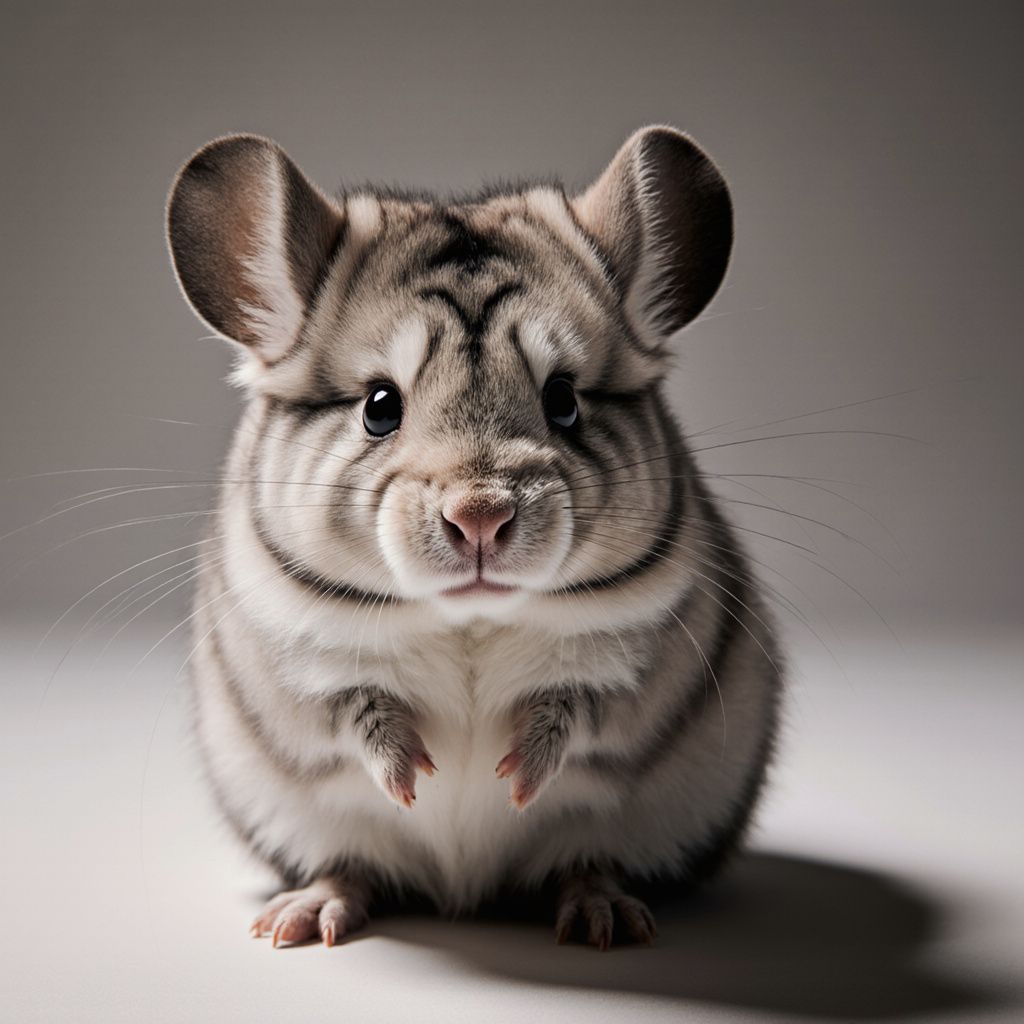
ਚਿੰਚਿਲਾ ਵਿੱਚ ਕੈਲਸ਼ੀਅਮ ਅਤੇ ਫਾਸਫੋਰਸ ਬੈਲੰਸ ਨੂੰ ਸਮਝਣਾ
ਚਿੰਚਿਲਾ ਮਾਲਕ ਵਜੋਂ, ਆਪਣੇ ਪਾਲਤੂ ਜਾਨਵਰ ਦੇ ਖੁਰਾਕ ਨੂੰ ਉਸ ਦੀ ਲੰਬੇ ਸਮੇਂ ਦੀ ਸਿਹਤ ਲਈ ਸਹਾਇਕ ਬਣਾਉਣਾ ਤੁਹਾਡੀ ਸਭ ਤੋਂ ਵੱਡੀ ਤਰਜੀਹ ਹੈ। ਉਨ੍ਹਾਂ ਦੀ ਪੋਸ਼ਣ ਵਿੱਚ ਇੱਕ ਮਹੱਤਵਪੂਰਨ ਪਹਿਲੂ ਕੈਲਸ਼ੀਅਮ ਅਤੇ ਫਾਸਫੋਰਸ ਦਾ ਸਹੀ ਬੈਲੰਸ ਬਣਾਈ ਰੱਖਣਾ ਹੈ। ਇਹ ਦੋ ਖਣਿਜ ਤੁਹਾਡੇ ਚਿੰਚਿਲਾ ਦੀ ਹੱਡੀਆਂ ਦੀ ਸਿਹਤ, ਦੰਦਾਂ ਦੇ ਵਿਕਾਸ ਅਤੇ ਕੁੱਲ ਭਲੈਈ ਵਿੱਚ ਮਹੱਤਵਪੂਰਨ ਭੂਮਿਕਾ ਨਿਭਾਉਂਦੇ ਹਨ। ਅਸੰਤੁਲਨ ਗੰਭੀਰ ਸਿਹਤ ਸਮੱਸਿਆਵਾਂ ਪੈਦਾ ਕਰ ਸਕਦਾ ਹੈ, ਇਸ ਲਈ ਉਨ੍ਹਾਂ ਦੀਆਂ ਲੋੜਾਂ ਨੂੰ ਸਮਝਣਾ ਅਤੇ ਉਨ੍ਹਾਂ ਨੂੰ ਪੂਰਾ ਕਰਨਾ ਜ਼ਰੂਰੀ ਹੈ।
ਚਿੰਚਿਲੇ, ਛੋਟੇ ਸ਼ਾਕਾਹਾਰੀ ਹੋਣ ਕਰਕੇ, ਵਿਲੱਖਣ ਖੁਰਾਕੀ ਲੋੜਾਂ ਰੱਖਦੇ ਹਨ। ਜੰਗਲ ਵਿੱਚ, ਉਨ੍ਹਾਂ ਦੀ ਖੁਰਾਕ ਘਾਹ, ਛਾਲ ਅਤੇ ਹੋਰ ਫਾਈਬਰ ਵਾਲੇ ਪੌਦਿਆਂ ਨਾਲ ਬਣੀ ਹੁੰਦੀ ਹੈ ਜੋ ਕੁਦਰਤੀ ਤੌਰ 'ਤੇ ਖਣਿਜਾਂ ਦਾ ਸੰਤੁਲਿਤ ਪ੍ਰਾਪਤੀ ਕਰਵਾਉਂਦੇ ਹਨ। ਬੰਦੀ ਅਵਸਥਾ ਵਿੱਚ, ਹਾਲਾਂਕਿ, ਇਹ ਸੰਤੁਲਨ ਉੱਚ ਗੁਣਵੱਤਾ ਵਾਲੇ ਹੇਇ, ਪੈਲਟਸ ਅਤੇ ਸੀਮਤ ਟ੍ਰੀਟਸ ਰਾਹੀਂ ਦੁਹਰਾਉਣਾ ਸਾਨੂੰ ਹੀ ਕਰਨਾ ਪੈਂਦਾ ਹੈ। ਆਓ ਜਾਣੀਏ ਕਿ ਕੈਲਸ਼ੀਅਮ ਅਤੇ ਫਾਸਫੋਰਸ ਕਿਉਂ ਮਹੱਤਵਪੂਰਨ ਹਨ ਅਤੇ ਉਨ੍ਹਾਂ ਨੂੰ ਸਹਿਮਨੀ ਬਣਾਈ ਰੱਖਣਾ ਕਿਵੇਂ ਹੈ।
ਕੈਲਸ਼ੀਅਮ ਅਤੇ ਫਾਸਫੋਰਸ ਕਿਉਂ ਮਹੱਤਵਪੂਰਨ ਹਨ
ਕੈਲਸ਼ੀਮ ਅਤੇ ਫਾਸਫੋਰਸ ਮਜ਼ਬੂਤ ਹੱਡੀਆਂ ਅਤੇ ਦੰਦਾਂ ਦੇ ਬਿਲਡਿੰਗ ਬਲਾਕ ਹਨ, ਜੋ ਚਿੰਚਿਲਿਆਂ ਲਈ ਖਾਸ ਤੌਰ 'ਤੇ ਮਹੱਤਵਪੂਰਨ ਹਨ ਕਿਉਂਕਿ ਉਨ੍ਹਾਂ ਦੇ ਇੰਸਾਈਜ਼ਰ ਨਿਰੰਤਰ ਵਧਦੇ ਰਹਿੰਦੇ ਹਨ। ਕੈਲਸ਼ੀਅਮ ਹੱਡੀਆਂ ਦੀ ਘਨਤਵਤਾ ਅਤੇ ਮਾਸਪੇਸ਼ੀਆਂ ਦੇ ਕੰਮ ਨੂੰ ਸਹਾਇਕ ਬਣਾਉਂਦਾ ਹੈ, ਜਦਕਿ ਫਾਸਫੋਰਸ ਊਰਜਾ ਉਤਪਾਦਨ ਅਤੇ ਸੈੱਲ ਮੁਰੰਮਤ ਵਿੱਚ ਮਦਦ ਕਰਦਾ ਹੈ। ਹਾਲਾਂਕਿ, ਇਹ ਖਣਿਜ ਸਰੀਰ ਵਿੱਚ ਇੱਕ ਖਾਸ ਅਨੁਪਾਤ ਵਿੱਚ ਹੋਣੇ ਚਾਹੀਦੇ ਹਨ—ਆਦਰਸ਼ ਤੌਰ 'ਤੇ, ਕੈਲਸ਼ੀਅਮ-ਟੂ-ਫਾਸਫੋਰਸ ਅਨੁਪਾਤ 2:1। ਜੇਕਰ ਇਹ ਸੰਤੁਲਨ ਖਰਾਬ ਹੋ ਜਾਵੇ, ਤਾਂ ਇਹ ਮੈਟਾਬੋਲਿਕ ਬੋਨ ਡਿਜ਼ੀਜ਼, ਸਾਫਟ ਟਿਸ਼ੂ ਕੈਲਸੀਫਿਕੇਸ਼ਨ ਜਾਂ ਕਿਡਨੀ ਸਮੱਸਿਆਵਾਂ ਵਰਗੀਆਂ ਹਾਲਤਾਂ ਪੈਦਾ ਕਰ ਸਕਦਾ ਹੈ।
ਚਿੰਚਿਲਿਆਂ ਲਈ, ਅਸੰਤੁਲਨ ਅਕਸਰ ਤਾਂ ਹੁੰਦਾ ਹੈ ਜਦੋਂ ਉਨ੍ਹਾਂ ਨੂੰ ਫਾਸਫੋਰਸ ਨਾਲ ਭਰਪੂਰ ਭੋਜਨ (ਜਿਵੇਂ ਬੀਜ ਜਾਂ ਅਖਰੋਟ) ਬਹੁਤ ਜ਼ਿਆਦਾ ਦਿੱਤੇ ਜਾਂਦੇ ਹਨ ਬਿਨਾਂ ਕੈਲਸ਼ੀਅਮ ਦੇ ਸੰਤੁਲਨ ਲਈ। ਸਮੇਂ ਨਾਲ, ਇਹ ਉਨ੍ਹਾਂ ਦੀਆਂ ਹੱਡੀਆਂ ਨੂੰ ਕਮਜ਼ੋਰ ਕਰ ਸਕਦਾ ਹੈ ਜਾਂ ਅੰਗਾਂ ਨੂੰ ਖਣਿਜ ਜਮ੍ਹਾਂ ਤੋਂ ਨੁਕਸਾਨ ਪਹੁੰਚਾ ਸਕਦਾ ਹੈ। ਅਸੰਤੁਲਨ ਦੇ ਲੱਛਣਾਂ ਨੂੰ ਪਛਾਣਨਾ—ਜਿਵੇਂ ਥਕਾਵਟ, ਹਿਲਣ ਵਿੱਚ ਮੁਸ਼ਕਲ ਜਾਂ ਅਸਧਾਰਨ ਦੰਦ ਵਿਕਾਸ—ਤੁਹਾਨੂੰ ਉਨ੍ਹਾਂ ਦੀ ਖੁਰਾਕ ਨੂੰ ਤੁਰੰਤ ਬਦਲਣ ਵਿੱਚ ਮਦਦ ਕਰ ਸਕਦਾ ਹੈ।
ਉਨ੍ਹਾਂ ਦੀ ਖੁਰਾਕ ਵਿੱਚ ਸਹੀ ਸੰਤੁਲਨ ਹਾਸਲ ਕਰਨਾ
ਚਿੰਚਿਲਾ ਦੀ ਖੁਰਾਕ ਦਾ ਬੁਨਿਆਦੀ ਹਿੱਸਾ ਤਾਜ਼ਾ, ਉੱਚ ਗੁਣਵੱਤਾ ਵਾਲੇ ਟਿਮੋਥੀ ਹੇਇ ਨੂੰ ਅਨਲਿਮਿਟਡ ਪਹੁੰਚ ਹੋਣੀ ਚਾਹੀਦੀ ਹੈ। ਹੇਇ ਨਾ ਸਿਰਫ਼ ਉਨ੍ਹਾਂ ਦੀ ਪਾਚਨ ਸਿਹਤ ਨੂੰ ਸਹਾਇਕ ਬਣਾਉਂਦਾ ਹੈ ਬਲਕਿ ਕੈਲਸ਼ੀਅਮ ਦਾ ਕੁਦਰਤੀ ਸਰੋਤ ਵੀ ਪ੍ਰਦਾਨ ਕਰਦਾ ਹੈ ਜਦਕਿ ਫਾਸਫੋਰਸ ਵਿੱਚ ਘੱਟ ਹੁੰਦਾ ਹੈ। ਅਧਿਐਨਾਂ ਵਿੱਚ ਦੱਸਿਆ ਗਿਆ ਹੈ ਕਿ ਟਿਮੋਥੀ ਹੇਇ ਆਦਰਸ਼ 2:1 ਕੈਲਸ਼ੀਅਮ-ਟੂ-ਫਾਸਫੋਰਸ ਅਨੁਪਾਤ ਨੇੜੇ ਪ੍ਰਦਾਨ ਕਰਦਾ ਹੈ, ਜਿਸ ਨਾਲ ਇਹ ਇੱਕ ਪਰਫੈਕਟ ਸਟੇਪਲ ਬਣ ਜਾਂਦਾ ਹੈ। ਹੇਇ ਨਾਲ ਹੀ, ਚਿੰਚਿਲਾ-ਵਿਸ਼ੇਸ਼ ਪੈਲਟਸ ਦੀ ਥੋੜ੍ਹੀ ਮਾਤਰਾ ਦਿਓ—ਲਗਭਗ 1-2 ਚੱਮਚ ਪ੍ਰਤੀ ਚਿੰਚਿਲਾ ਰੋਜ਼ਾਨਾ। ਅਜਿਹੇ ਪੈਲਟਸ ਚੁਣੋ ਜਿਨ੍ਹਾਂ ਵਿੱਚ ਕੈਲਸ਼ੀਅਮ 0.8-1.2% ਅਤੇ ਫਾਸਫੋਰਸ 0.4-0.6% ਹੋਵੇ ਤਾਂ ਜੋ ਸਹੀ ਅਨੁਪਾਤ ਬਣੀ ਰਹੇ।
ਟ੍ਰੀਟਸ ਨੂੰ ਜ਼ਿਆਦਾ ਨਾ ਦਿਓ, ਕਿਉਂਕਿ ਬਹੁਤ ਸਾਰੇ ਆਮ ਸਨੈਕਸ ਜਿਵੇਂ ਕਿਸਮਿਸ, ਅਖਰੋਟ ਜਾਂ ਬੀਜ ਫਾਸਫੋਰਸ ਵਿੱਚ ਉੱਚ ਹੁੰਦੇ ਹਨ ਅਤੇ ਸੰਤੁਲਨ ਖਰਾਬ ਕਰ ਸਕਦੇ ਹਨ। ਜੇਕਰ ਟ੍ਰੀਟਸ ਦੇਣੇ ਹਨ, ਤਾਂ ਸੁੱਕੇ ਰੋਜ਼ ਹਿੱਪਸ ਦੀ ਥੋੜ੍ਹੀ ਮਾਤਰਾ ਜਾਂ ਥੋੜ੍ਹਾ ਸਾ ਆਪਲ ਦਾ ਟੁਕੜਾ ਚੁਣੋ (ਹਫ਼ਤੇ ਵਿੱਚ ਇੱਕ ਵਾਰ ਤੋਂ ਵੱਧ ਨਹੀਂ), ਕਿਉਂਕਿ ਇਹ ਖਣਿਜ ਪੱਧਰ ਨੂੰ ਘੱਟ ਖਰਾਬ ਕਰਦੇ ਹਨ। ਕਿਸੇ ਵੀ ਵਪਾਰਕ ਟ੍ਰੀਟਸ ਦੀ ਪੋਸ਼ਣ ਸਮੱਗਰੀ ਜ਼ਰੂਰ ਚੈੱਕ ਕਰੋ, ਅਤੇ ਖਰਗੋਸ਼ ਜਾਂ ਗਿਨੀ ਪਿੱਗ ਵਰਗੇ ਹੋਰ ਛੋਟੇ ਜਾਨਵਰਾਂ ਲਈ ਬਣੇ ਮਿਕਸ ਤੋਂ ਬਚੋ, ਕਿਉਂਕਿ ਉਨ੍ਹਾਂ ਦੀਆਂ ਖਣਿਜ ਲੋੜਾਂ ਵੱਖਰੀਆਂ ਹੁੰਦੀਆਂ ਹਨ।
ਚਿੰਚਿਲਾ ਮਾਲਕਾਂ ਲਈ ਵਿਹਾਰਕ ਸੁਝਾਅ
ਇੱਥੇ ਕੁਝ ਕਾਰਜਸ਼ੀਲ ਕਦਮ ਹਨ ਜੋ ਯਕੀਨੀ ਬਣਾਉਂਦੇ ਹਨ ਕਿ ਤੁਹਾਡੇ ਚਿੰਚਿਲਾ ਦੇ ਕੈਲਸ਼ੀਅਮ ਅਤੇ ਫਾਸਫੋਰਸ ਪੱਧਰ ਸਹੀ ਰਹਿਣ:
- ਹੇਇ ਦੀ ਪ੍ਰਾਪਤੀ 'ਤੇ ਨਿਗਰਾਨੀ ਰੱਖੋ: ਯਕੀਨੀ ਬਣਾਓ ਕਿ ਤੁਹਾਡੇ ਚਿੰਚਿਲਾ ਨੂੰ ਹਮੇਸ਼ਾ ਤਾਜ਼ਾ ਟਿਮੋਥੀ ਹੇਇ ਮਿਲੇ। ਜੇਕਰ ਉਹ ਕਾਫ਼ੀ ਨਾ ਖਾਵੇ, ਤਾਂ ਇਹ ਦੰਦਾਂ ਦੀ ਸਮੱਸਿਆ ਜਾਂ ਵਿਭਿੰਨਤਾ ਦੀ ਲੋੜ ਦਰਸਾ ਸਕਦਾ ਹੈ—ਓਰਚਾਰਡ ਗ੍ਰਾਸ ਨੂੰ ਥੋੜ੍ਹਾ ਮਿਲਾ ਕੇ ਟਰਾਈ ਕਰੋ।
- ਪੈਲਟਸ ਨੂੰ ਸੀਮਿਤ ਰੱਖੋ: ਸਿਫ਼ਾਰਸ਼ੀ 1-2 ਚੱਮਚ ਪੈਲਟਸ ਰੋਜ਼ਾਨਾ 'ਤੇ ਚਲੋ। ਜ਼ਿਆਦਾ ਦੇਣ ਨਾਲ ਫਾਸਫੋਰਸ ਵਧ ਸਕਦਾ ਹੈ, ਖਾਸ ਕਰ ਜੇ ਪੈਲਟਸ ਚਿੰਚਿਲਾ ਲਈ ਖਾਸ ਨਾ ਹੋਣ।
- ਉੱਚ-ਫਾਸਫੋਰਸ ਭੋਜਨਾਂ ਤੋਂ ਬਚੋ: ਸਨੈਕਸ ਵਜੋਂ ਬੀਜ, ਅਖਰੋਟ ਅਤੇ ਅਨਾਜ ਨਾ ਦਿਓ। ਇਹ ਅਕਸਰ ਛੋਟੇ ਪਾਲਤੂਆਂ ਲਈ ਵਿਕੇ ਜਾਂਦੇ ਹਨ ਪਰ ਚਿੰਚਿਲਾ ਦੇ ਖਣਿਜ ਸੰਤੁਲਨ ਨੂੰ ਨੁਕਸਾਨ ਪਹੁੰਚਾ ਸਕਦੇ ਹਨ।
- ਸੁਰੱਖਿਅਤ ਚਬਾਉਣ ਵਾਲੇ ਖਿਡੌਣ ਪ੍ਰਦਾਨ ਕਰੋ: ਲੱਕੜ ਦੇ ਚਿਊਅਨ ਜਾਂ ਪਿਊਮਿਸ ਸਟੋਨ ਉਨ੍ਹਾਂ ਦੇ ਦੰਦਾਂ ਨੂੰ ਕੁਦਰਤੀ ਤੌਰ 'ਤੇ ਘਸਾਉਂਦੇ ਹਨ, ਸਹੀ ਖਣਿਜ ਪ੍ਰਾਪਤੀ ਨਾਲ ਦੰਦ ਸਿਹਤ ਨੂੰ ਸਹਾਇਕ ਬਣਾਉਂਦੇ ਹਨ।
- ਵੈੱਟ ਨਾਲ ਸਲਾਹ ਕਰੋ: ਜੇਕਰ ਅਸੰਤੁਲਨ ਦੇ ਲੱਛਣ ਨਜ਼ਰ ਆਉਣ ਜਾਂ ਖੁਰਾਕ ਬਾਰੇ ਸ਼ੱਕ ਹੋਵੇ, ਤਾਂ ਐਕਜ਼ੋਟਿਕ ਜਾਨਵਰ ਵੈੱਟ ਨਾਲ ਚੈੱਕ-ਅਪ ਕਰਵਾਓ। ਉਹ ਖੂਨ ਟੈਸਟ ਕਰਕੇ ਖਣਿਜ ਪੱਧਰ ਜਾਂਚ ਸਕਦੇ ਹਨ ਅਤੇ ਬਦਲਾਅ ਸਿਫ਼ਾਰਸ਼ ਕਰ ਸਕਦੇ ਹਨ।
ਕਦੋਂ ਸਮੱਸਿਆਵਾਂ 'ਤੇ ਨਿਗਾਹ ਰੱਖਣੀ ਹੈ
ਸਭ ਚੰਗੀ ਨੀਅਤ ਨਾਲ ਵੀ, ਅਸੰਤੁਲਨ ਹੋ ਸਕਦਾ ਹੈ। ਗਤੀਵਿਧੀ ਘੱਟ ਹੋਣ, ਹੌਪਿੰਗ ਵਿੱਚ ਮੁਸ਼ਕਲ ਜਾਂ ਸਖ਼ਤ ਭੋਜਨ ਖਾਣ ਤੋਂ ਇਨਕਾਰ ਵਰਗੇ ਲੱਛਣਾਂ ਲਈ ਸਾਵਧਾਨ ਰਹੋ, ਕਿਉਂਕਿ ਇਹ ਖਣਿਜ ਸਮੱਸਿਆਵਾਂ ਨਾਲ ਜੁੜੀਆਂ ਹੱਡੀ ਜਾਂ ਦੰਦ ਸਮੱਸਿਆਵਾਂ ਦਰਸਾ ਸਕਦੇ ਹਨ। ਜੇਕਰ ਤੁਹਾਡਾ ਚਿੰਚਿਲਾ ਅਸਹੀ ਹੁੰਦਾ ਲੱਗੇ, ਤਾਂ ਵੈਟਰਨਰੀ ਸਲਾਹ ਲੈਣ ਵਿੱਚ ਹਿਚਕਿਚਾਓ ਨਾ। ਸਮੇਂ ਸਿਰ ਦਖਲ ਪਹੁੰਚਾ ਕੇ ਲੰਬੇ ਸਮੇਂ ਦੇ ਨੁਕਸਾਨ ਨੂੰ ਰੋਕਿਆ ਜਾ ਸਕਦਾ ਹੈ ਅਤੇ ਤੁਹਾਡੇ ਫਰੀ ਬੰਦੇ ਨੂੰ ਖੁਸ਼ ਅਤੇ ਸਿਹਤਮੰਦ ਰੱਖਿਆ ਜਾ ਸਕਦਾ ਹੈ।
ਹੇਇ-ਅਧਾਰਤ ਖੁਰਾਕ 'ਤੇ ਧਿਆਨ ਦੇਣ, ਟ੍ਰੀਟਸ ਨੂੰ ਸੀਮਿਤ ਰੱਖਣ ਅਤੇ ਉਨ੍ਹਾਂ ਦੇ ਵਿਵਹਾਰ 'ਤੇ ਨਿਗਾਹ ਰੱਖਣ ਨਾਲ, ਤੁਸੀਂ ਆਪਣੇ ਚਿੰਚਿਲਾ ਨੂੰ ਆਦਰਸ਼ ਕੈਲਸ਼ੀਅਮ-ਟੂ-ਫਾਸਫੋਰਸ ਸੰਤੁਲਨ ਬਣਾਈ ਰੱਖਣ ਵਿੱਚ ਮਦਦ ਕਰ ਸਕਦੇ ਹੋ। ਥੋੜ੍ਹੀ ਵਿਸ਼ੇਸ਼ ਧਿਆਨ ਨਾਲ ਉਹ ਤੁਹਾਡੇ ਨਾਲ ਲੰਮਾ, ਜੀਵੰਤ ਜੀਵਨ ਜੀਵ ਸਕਦੇ ਹਨ!