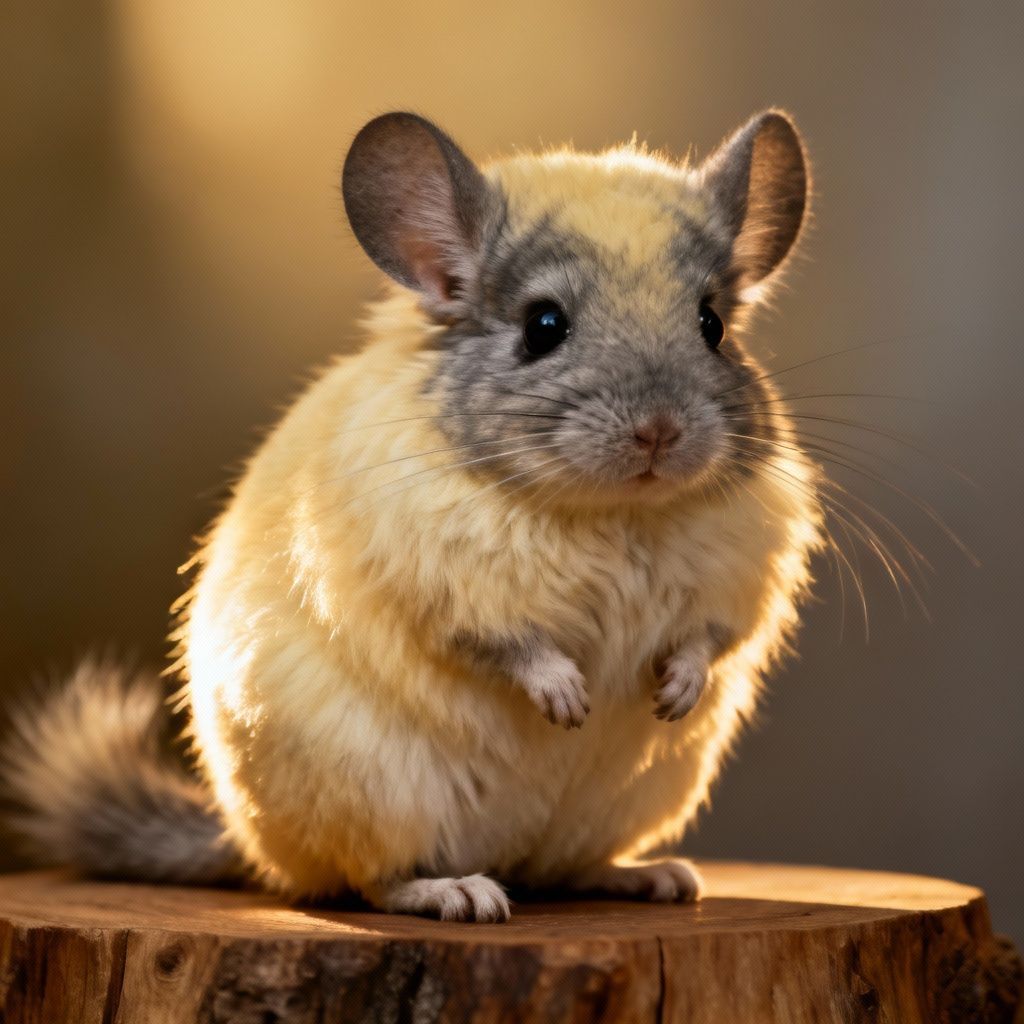
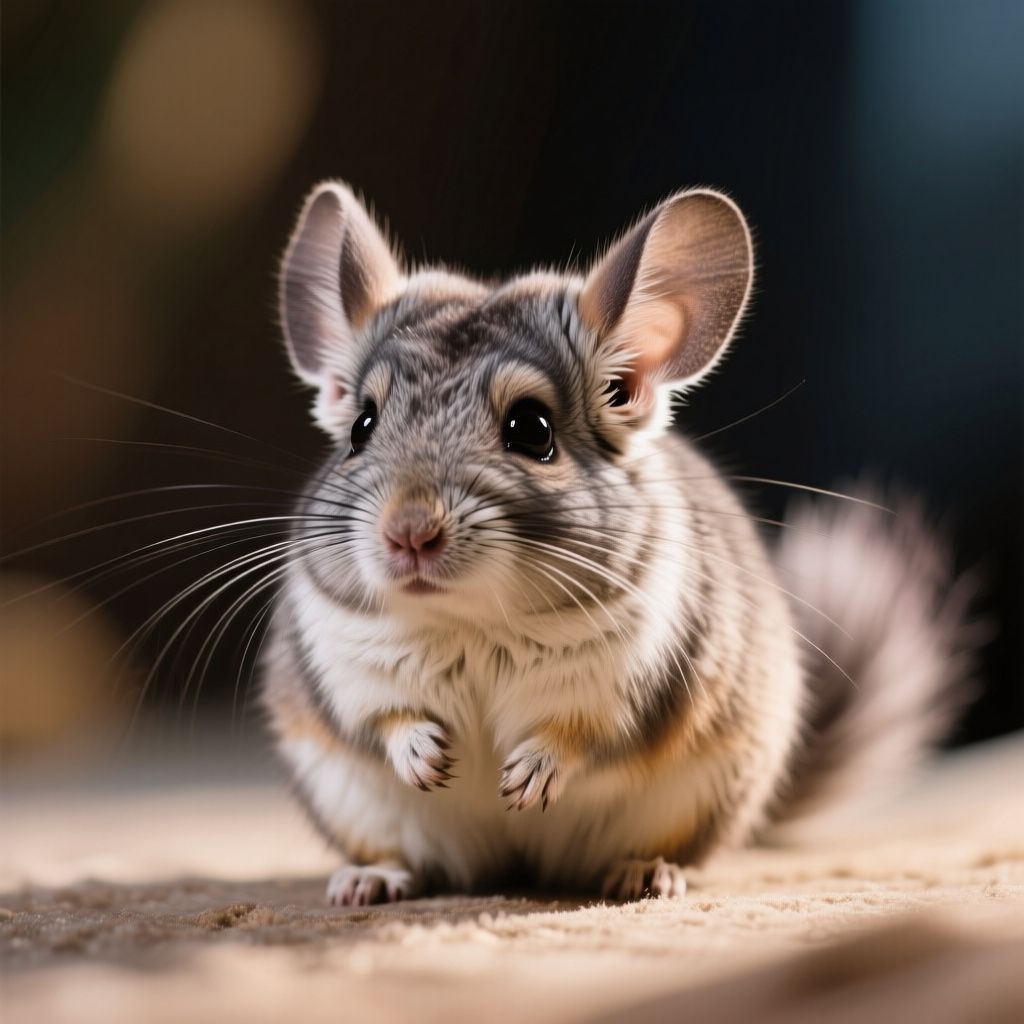
Hazten ari diren txin txilin kitentzako elikadura sarrera
Txin txilin kit bat (txin txilin umea) haztea esperientzia oparoa da, baina haien elikadura beharrak asetzea duzu ardura osasuntsu hazteko. Txin txilin kitak, normalean 35-60 gramo inguruko pisuz jaioak, bizitzako lehen hilabeteetan azkar hazten dira. Aldi kritiko honetan, elikadura egokia ezinbestekoa da haien hezurrak, organoak eta immunitate-sistemak garatzeko. Artikulu honek txin txilin jabeak kiten elikadura beharretan gidatuko ditu, heldu osasuntsu bihurtzeko praktikotasun gomendioak emanez.
Txin txilin kiten elikadura beharrak ulertzea
Txin txilin kitek heldu txin txilekin alderatuta elikadura behar bereziak dituzte. Jabetik 8 aste ingurura, kitak amaren esneaz dependeratzen dute nagusiki, nutriente esanguratsuak, antigorputzak eta hidratazioa ematen dituelako. Kitaren digestio-sistema delikatuak da aldaldi honetan, eta ez dira oraindik elikagai solidoentzat prest. 3-4 asteetan, kitak belarra eta pellets jan nahi izaten dute amets egiterako bitartean, elikadura anitzago batera pasatzen hasten delako.
Kit baten elikadura orekatua desmamearen ondoren (6-8 aste inguru) osatzen duten osagai nagusiak hauek dira: belar kalitate altuko, pellets bereziak eta gozoki mugatuak. Belarra ezinbestekoa da hortz-osasunerako eta digestiorako, bitartean gazte txin txilei zuzendutako pelletsak protein goi-mailako (18-20% inguru) eta gantz (3-5%) dute hazkundea laguntzeko. Kaltzioa eta fosforoa ere garrantzitsuak dira hezur-garapenerako, 2:1 kaltzio-fosforo proportzio gomendatua dutela elikaduran.
Kit haztentzako elikadura orekatua eraikitzea
Zure txin txilin kitak behar duen elikadura lortzeko, hurrengo osagaietan jarri arreta:
- Belar mugagabea: Belar fresko eta zuntz altuko eskaini beti, hala nola timothy edo orchard grass. Belarrak digestio osasungarria babesten du eta hortzak erabiltzen laguntzen die, etengabe hazten baitira. Saihestu alfalfa belarra 6 hilabete baino zaharrago dituzten kitentzat, kaltzio eta protein gehiegi duelako luzera-luzerako erabilerarako.
- Adineko pellets egokiak: Gazte edo hazten ari diren txin txilei zuzendutako pellets aukeratu, egunean 1-2 koila kiteko emanez. 18-20% protein dutela eta gehigarri gutxi edo azukre osagaiak dituzten markak bilatu.
- Ur fresko: Ur garbi eta freskoa beti eskuragarri egon dadin, tantarikazko botiletan kutsadura saihesteko. Kitak azkar deshidrata daitezke, beraz egiaztatu botila egunero.
- Gozoki mugatuak: Kitak gozoki txikiak gozatu arren, mugatu astean 1-2 pieza txikitan, lehorgailutako erroseztako fruituak edo Cheerios arruntak bezalako aukera seguruetan. Saihestu azukre edo gantz handiko elikagaiak, digestio-sistemak oraindik garatzen ari delako.
Txin txilin kitak elikatzeko gomendio praktikoak
Kit hazten ari direnak elikatzeak xehetasun eta konstantsia behar ditu. Hemen laguntzeko aholku eraginkorrak:
- Desmame aurrerapena monitorizatu: Si kit bat umezurtz bada edo ez badu ondo amets egiten, kontsultatu albaitariari berehala. Eskuz elikatzea formula bereziz beharrezkoa izan daiteke, baina profesionalen gidaripean soilik.
- Solidoak pixkanaka sartu: 3-6 aste bitartean, belar eta pellets kantitate txikiak kitaren ondoan jarri eksplorazioa bultzatzeko. Ez behartu elikagairik; utzi naturaltasunez pasatzen amets egiterako bitartean.
- Digestio arazoak begiratu: Kitak hodeitze edo isurketa izateko joera dute elikadura aldaketa azkarregatik. Zakarrak bigunak edo lesertasuna antzematen baduzu, murriztu pelletsak edo gozakiak eta kontsultatu albaitaria.
- Garbitasuna mantendu: Elikatzeko eremuak garbi edukitzea saihestu belar ustelak edo ur kutsatua, kitaren sistema zaurgarria kalte ditzakelako.
- Hazkundea jarraitu: Kitak astean pisatu txikia digital balantzarekin. Kit osasungarria 2-4 gramo egunean irabaziko luke lehen hilabeteetan. Pisutze baten galera edo geldotasuna elikadura faltak adierazi dezake.
Heldutasun elikadurara pasatzea
6-8 hilabete betetzera, txin txilin kitak heldu izatera hurbiltzen dira eta protein apalagoa (14-16%) eta gantz (2-4%) dutela pellets heldu elikadurara pasatu behar dute. Nahastu pixkanaka heldu pelletsak hazkundea formula 1-2 asteetan digestio nahasmena saihesteko. Jarraitu belar mugagabea ematen eta pisua eta energia mailak monitorizatuz pasabidea leun egon dadin.
Kit elikadurari buruzko pentsamendu amaituak
Txin txilin kit hazten ari direnen elikadura egokia bizitza luze eta osasuntsuaren oinarria jartzen du. Elikadura orekatua emanez, aurrerapena monitorizatuz eta aldaketak pixkanaka eginez, zure kita heldu sendo eta aktibo bihurtzen lagunduko duzu. Beti kontsultatu animalia esotikoen albaitaria zure kitaren elikadura beharrez zalantzan bazaude edo osasun arazoak sortzen badira. Pazientzia eta zaintzarekin, gozatu txin txilina hazten eta loratzen ikusten!