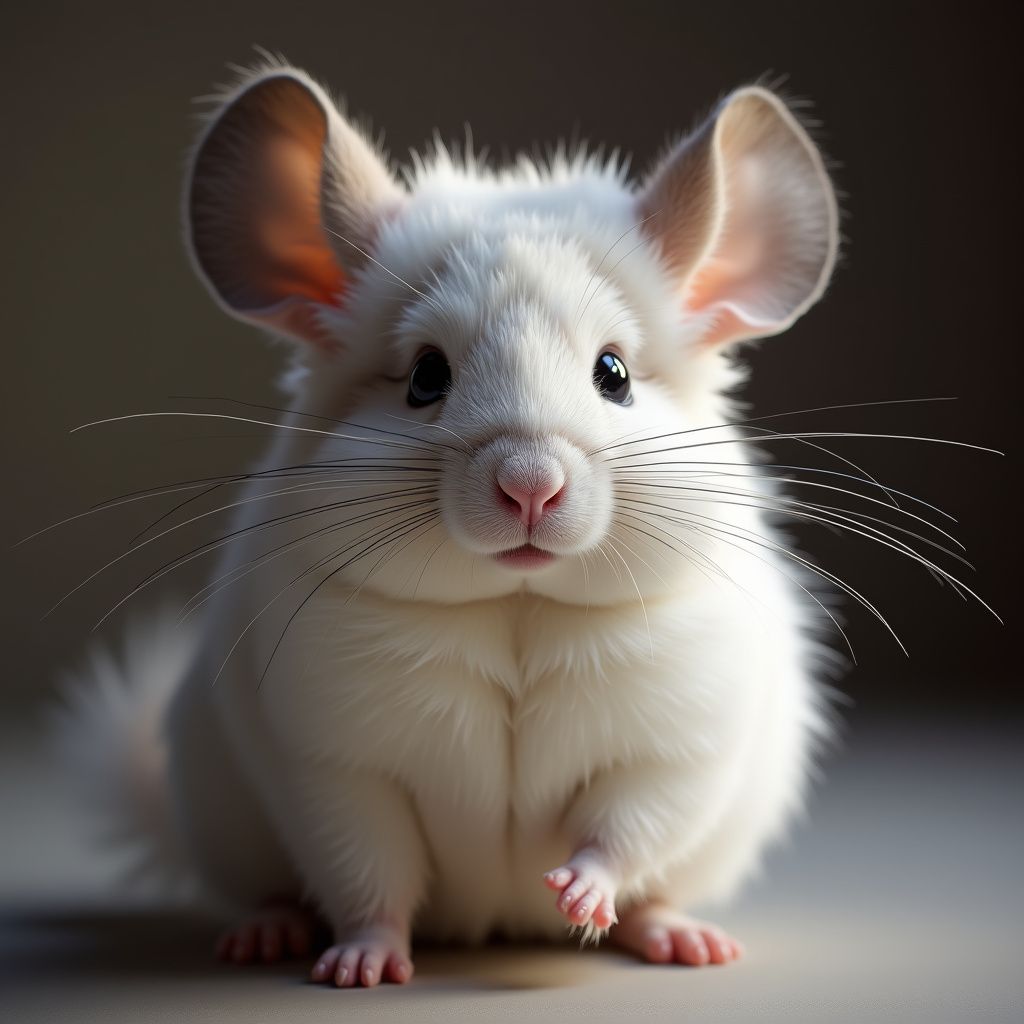
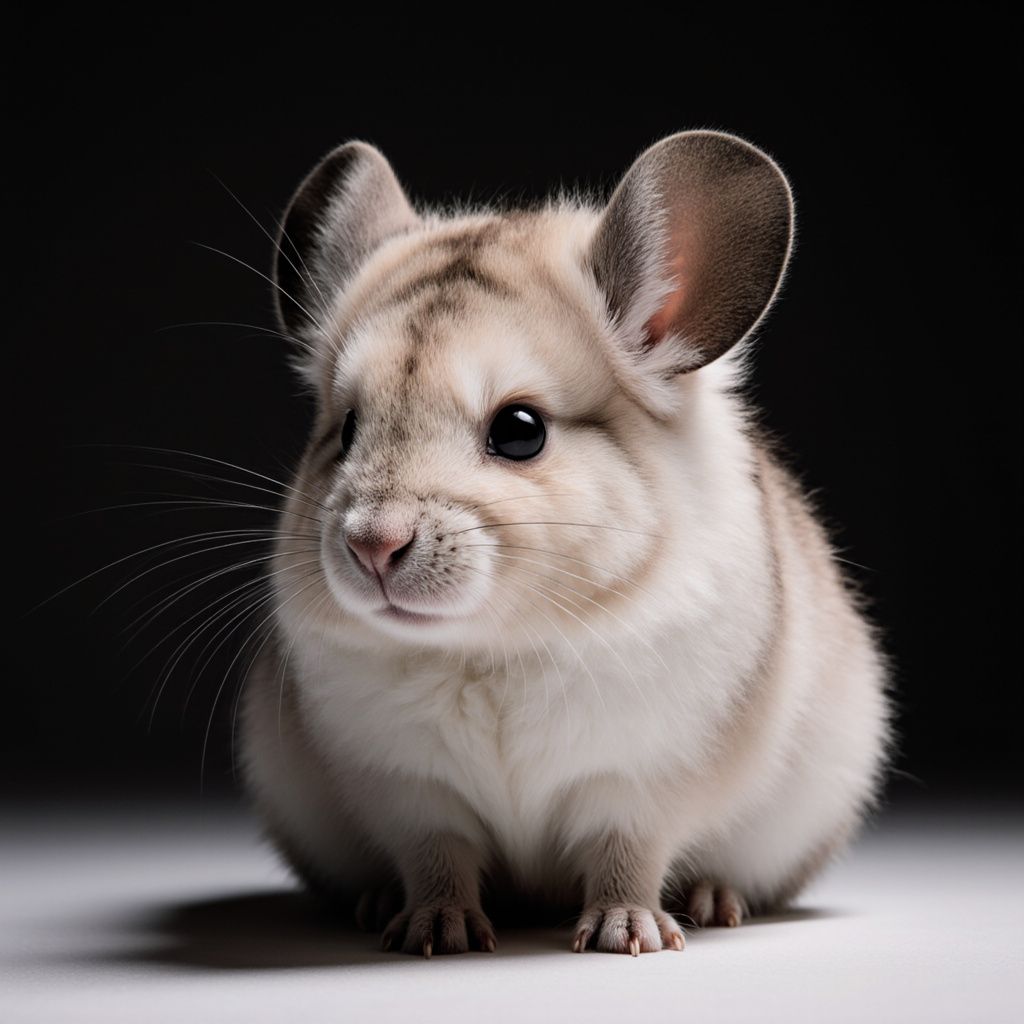
Deall Gwydredd yn Chinchillas
Mae gwydredd yn bryder mawr sy'n tyfu ymhlith chinchillas anifeiliaid ffot, fel y mae yn nifer o anifeiliaid bach eraill. Mae'r creaduriaid pychadlyd, gwlanog hyn yn naturiol ymladdus ac yn ffyniant ar ddefnydd bwyd sy'n athrawiaeth eu cyfoedion gwyllt yn ardaloedd sych De America. Fodd bynnag, mewn captiwte, gall chinchillas dwyn'n hawdd i fod yn gorwydeddu oherwydd gor-bwyllio, diffyg ymarfer corff, neu ddefnydd bwyd amhresymol. Gall gwydredd mewn chinchillas arwain at broblemau iechyd difrifol, gan gynnwys problemâu galon, salwch ysiul, a chyfnod byw byrach. Mae chinchilla iach yn pwysio rhwng 400-600 gram (14-21 uncia) fel oedolyn, yn dibynnu ar ryw a geneteg. Pwysau'n sylweddol dros y safle hon yn bosib awgrymu gwydredd, a dylai perchennogion gymryd camau i ymwneud â hyn.
Mae adnabod gwydredd yn chinchillas yn gallu bod yn anodd oherwydd eu gwallt trwchus yn gallu cuddio braster gorllefeydd. Teiwch yn dawel ar gorff eich chinchilla—dylai asgwrn côd yn gallu ei deimlo gyda haen tenau o fraster drosu. Os na allwch deimlo'r asgwrn côd neu'n sylw edrychiad crwn, llawn, mae'n amser ymgynghori â feterinwr a newid eu ffurf byw. Cadw eich chinchilla mewn pwys iach yn hanfodol i'w les a gall helpu iddynt fyw cyfnod llawn o 10-20 mlynedd.
Achosion Gwydredd yn Chinchillas
Mae sawl ffactor yn cyfrannu at gwydredd yn chinchillas. Y culprit mwyaf cyffredin yw defnydd bwyd amdrewdus. Mae chinchillas angen defnydd bwyd cyfoethog mewn ffibr, is-fraster, yn cyfrifo'n bennaf o hay, gyda pellets a gwleddi cyfyngedig. Gor-bwyllio pellets (sy'n diriwg calories) neu gynnig gwleddi siwgrus fel reisins neu nuts gall arwain yn gyflym at ennill pwys. Yn y gwyllt, mae chinchillas yn bwyta llysiau prin, pylganiol, felly eu systemau clafno yn naturiol ddim wedi'u hadeiladu ar gyfer buwyd cyfoethog. Bwyllio mwy na 1-2 llyfn tablespoons o pellets y dydd neu gwleddi aml yn gallu troi'r trawst—yn gwirioneddol.
Diffyg ymarfer corff yw ffactor mawr arall. Mae chinchillas yn naturiol llawn egni ac angen gofod digonol i redeg, neidio, ac archwilio. Cage cramp neu amser allan o'r cage cyfyngedig yn gallu lleihau lefelau gweithgarwch, arwain at ennill pwys. Stres neu ddiglifft yn gallu achosi gor-fwyta hefyd, felly chinchillas yn bosib piblo ar fwyd am gysur os yn diffyg ymgais meddwl.
Cynghorau Praktigol ar gyfer Rheolaeth Pwys
Helpu eich chinchilla i gadw pwys iach yn hollol bosib gyda ychydig o newidiadau i'w defnydd bwyd a'r amgylchedd. Dyma rhywfewn cynghorau gweithredadwy:
- Blaenoriaethu Hay: Mynediad anghyfyngedig i hay timothy ffres neu hay gwair eraill dylai fod y gardd o gwmpas defnydd bwyd eich chinchilla. Mae hay yn cynorthwyo clafno a helpu i wisgo dwn eu dannedd sy'n tyfu'n barhaus tra'n is calories.
- Cyfyngu Pellets a Gwleddi: Cadwch wrth 1-2 llyfn tablespoons o chinchilla pellets o ansawdd uchel y dydd. Ochelewch gwleddi siwgrus neu freiddin—dewis pedwarocdd darn bach o oen gwddf o dries neu rose hips os ydych eisiau eu melltithio.
- Ymfuddug Ymarfer Corff: Darparwch cage helaeth (o leiaf 3 troedfedd uchel a lled) gyda platforms, ledges, a chew toys diogel ar gyfer dringo a chwarae. Caniateir amser allan o'r cage dan oruchwylio mewn ystafell wedi'i diogelu chinchilla am o leiaf 1-2 awr y dydd i'w gadael i redeg ac archwilio.
- Monitro Pwys: Pwyswch eich chinchilla bob mis gan ddefnydd wneud scales diwydianol bach. Colled pwys gradual o 10-20 gram y mis yw targed diogel os maent yn gorwydeddig—ymgynghorwch â'ch feterinwr am gynllun wedi'i addasu.
- Ymgais Meddwl: Trowch toys a ychwanegwch eitemau diogel fel blociau coed neu tiwbiau cardbord i gadw eich chinchilla ymgysylltiedig a chadw rhag bwyd diglifft.
Pryd i Geisio Cymorth Feterinaraidd
Os ydych wedi gwneud newidiadau i'r defnydd bwyd a ffurf byw ond eich chinchilla ddim yn colli pwys, neu os maent yn dangos arwyddion letargy, traffer symud, neu broblemau anadlu, mae'n amser ymweld â feterinwr anifeiliaid exotig. Gall gwydredd cuddio neu gyfrannu at gyflyrau isod fel salwch dannedd neu diabetes, sy'n angen diagnosis a phoblog professional. Gall feterinwr hefyd helpu i ddylunio cynllun colled pwys diogel i osgoi colled pwys cyflym, sy'n gallu bod peryglus i chinchillas.
Meddyliau Terfynol
Rheoli pwys eich chinchilla yw rhan hanfodol o berchnogaeth anifeiliaid ffot cyfrifol. Trwy ffocysu ar defnydd bwyd cyfoethog mewn ffibr, ymfuddug ymarfer corff rheolaidd, a chadw llygad agos ar eu cyflwr corff, gallwch helpu eich cyfaill gwlanog i aros iach a lleddf yn y blynyddoedd i ddod. Newidiadau bach yn gallu gwneud gwahaniaeth mawr, a bydd eich chinchilla'n diolch i chi gyda egni di-ben-draw a'r hops chwaraus nodwedd!