
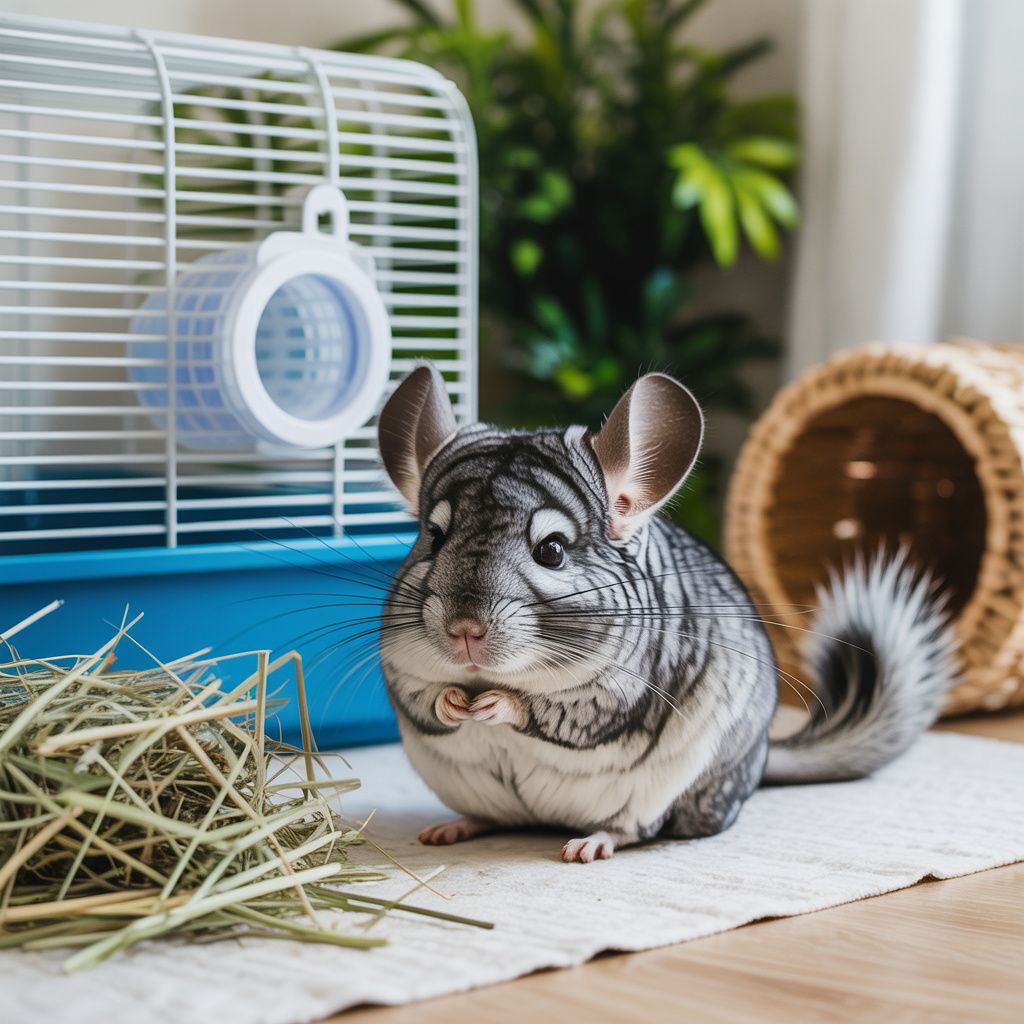
مقدمهای بر چینچیلاها به عنوان حیوان خانگی
به دنیای شگفتانگیز مالکیت چینچیلا خوش آمدید! چینچیلاها جوندگان کوچک و پشمالویی هستند که بومی کوههای آند در آمریکای جنوبیاند و به دلیل خز فوقالعاده نرم و شخصیت بازیگوششان شناخته میشوند. به عنوان حیوان خانگی، آنها به دلیل نیازهای مراقبتی خاص، طول عمر طولانی و ویژگیهای جذابشان منحصربهفرد هستند. از نظر تاریخی، چینچیلاها برای خزشان شکار میشدند که این امر منجر به نزدیک به انقراض آنها در طبیعت تا اوایل قرن بیستم شد. امروزه، آنها برای تجارت حیوان خانگی در اسارت پرورش داده میشوند و دو گونه اصلی به عنوان حیوان خانگی نگهداری میشوند: Chinchilla lanigera (چینچیلای دمبلند) و Chinchilla brevicaudata (چینچیلای دمکوتاه). درک تاریخچه و طبقهبندیشان نقطه شروع عالی برای فراهم کردن زندگی شاد و سالم برایشان است.
چینچیلاها متعلق به خانواده Chinchillidae هستند و با ویسکاچاها و دیگر جوندگان آمریکای جنوبی خویشاوند نزدیکاند. طبقهبندیشان منعکسکننده سازگاریشان با محیطهای خشن و مرتفع است که بر نیازهای مراقبتیشان به عنوان حیوان خانگی تأثیر میگذارد. برای مثال، خز متراکمشان—تا ۶۰ مو در هر فولیکول—به آنها کمک میکند در آب و هوای سرد گرم بمانند، اما این بدان معناست که در دماهای بالای ۷۵°F (۲۴°C) به راحتی بیش از حد گرم میشوند. به عنوان مالک جدید، شناخت این ویژگیهای طبیعی به شما کمک میکند تا خانه مناسبی برای چینچیلایتان ایجاد کنید.
درک تاریخچه چینچیلا
چینچیلاها تاریخچهای جذاب دارند که به زیستگاه بومیشان در کشورهایی مانند شیلی، پرو، بولیوی و آرژانتین مرتبط است. در طبیعت، آنها در زمینهای سنگی و خشک در ارتفاعاتی تا ۱۴٬۰۰۰ فوت (۴٬۲۷۰ متر) زندگی میکنند، جایی که برای حفظ آب و شکوفایی با پوشش گیاهی کم سازگار شدهاند. مردمان بومی آند، مانند قبیله چینچا (که نامشان از آن گرفته شده)، قرنها پیش از ورود استعمارگران اروپایی در قرن شانزدهم، چینچیلاها را برای خزشان ارزشمند میدانستند. تا دهه ۱۹۰۰، شکار بیش از حد منجر به کاهش شدید جمعیت شد که تلاشهای حفاظتی و برنامههای پرورش خانگی را برانگیخت.
این تاریخچه برای مالکان حیوان خانگی مهم است زیرا نشان میدهد چرا چینچیلاها نیازهای خاصی دارند. غرایز وحشیشان رفتارهایی مانند پرش (آنها میتوانند تا ۶ فوت یا ۱.۸ متر بپرد!) و پنهان شدن در لانهها را هدایت میکند، بنابراین بازسازی این فرصتها در اسارت کلید благополучиهشان است. دانستن گذشتهشان همچنین قدردانی از استقامت و منحصربهفرد بودنشان به عنوان همراه را افزایش میدهد.
طبقهبندی و اصول گونهها
از نظر طبقهبندی، چینچیلاها زیر راسته Rodentia، زیرگروه Hystricomorpha قرار میگیرند که آنها را با دیگر جوندگان آمریکای جنوبی مانند گینهپیگها گروهبندی میکند. جنس Chinchilla شامل دو گونه اصلی ذکرشده است. Chinchilla lanigera، رایجترین در تجارت حیوان خانگی، دمی بلندتر و بدنی باریکتر دارد، در حالی که Chinchilla brevicaudata تنومندتر با دمی کوتاهتر است اما به ندرت به عنوان حیوان خانگی نگهداری میشود. چینچیلاهای خانگی اغلب در جهشهای رنگی مختلف مانند خاکستری، بژ یا بنفش—توسعهیافته از طریق پرورش انتخابی—در دسترس هستند.
درک طبقهبندیشان به مالکان کمک میکند بفهمند چرا چینچیلاها فقط «همسترهای بزرگ» نیستند. فیزیولوژیشان، مانند سیستم گوارشی حساس مناسب برای رژیمهای پر فیبر، از سابقه تکاملیشان ناشی میشود. برای مثال، آنها نمیتوانند غذاهای چرب یا شیرین را هضم کنند، بنابراین ارائه یونجه و پلتهای تخصصی ضروری است.
نکات عملی برای مالکان جدید
برای شروع، این نکات ریشهدار در تاریخچه و زیستشناسیشان را در نظر بگیرید:
- ایجاد محیط خنک: با توجه به ریشه آندیشان، زیستگاهشان را بین ۶۰-۷۰°F (۱۵-۲۱°C) نگه دارید. از نور مستقیم خورشید یا مناطق مرطوب اجتناب کنید، زیرا نمیتوانند عرق کنند و ممکن است دچار گرمازدگی شوند.
- تقلید رفتارهای طبیعی: قفسی بلند و چندسطحی (حداقل ۳ فوت ارتفاع) برای ارضای غریزه پرششان فراهم کنید و مخفیگاههایی برای تقلید لانهها اضافه کنید.
- مراقبت غذایی: یونجه تیموتی نامحدود و حدود ۲-۴ قاشق غذاخوری پلت مخصوص چینچیلا روزانه بدهید. از تشویقیهای حاوی شکر یا چربی اجتناب کنید—به گاهبهگاه گیاهان خشک یا میوه گل سرخ بچسبید.
- حمام گرد و غبار: خز متراکمشان نیاز به حمام گرد و غبار (با استفاده از گرد و غبار ایمن برای چینچیلا) ۲-۳ بار در هفته برای تمیز ماندن دارد، که تقلیدی از آرایش در خاکستر вулкани در طبیعت است.