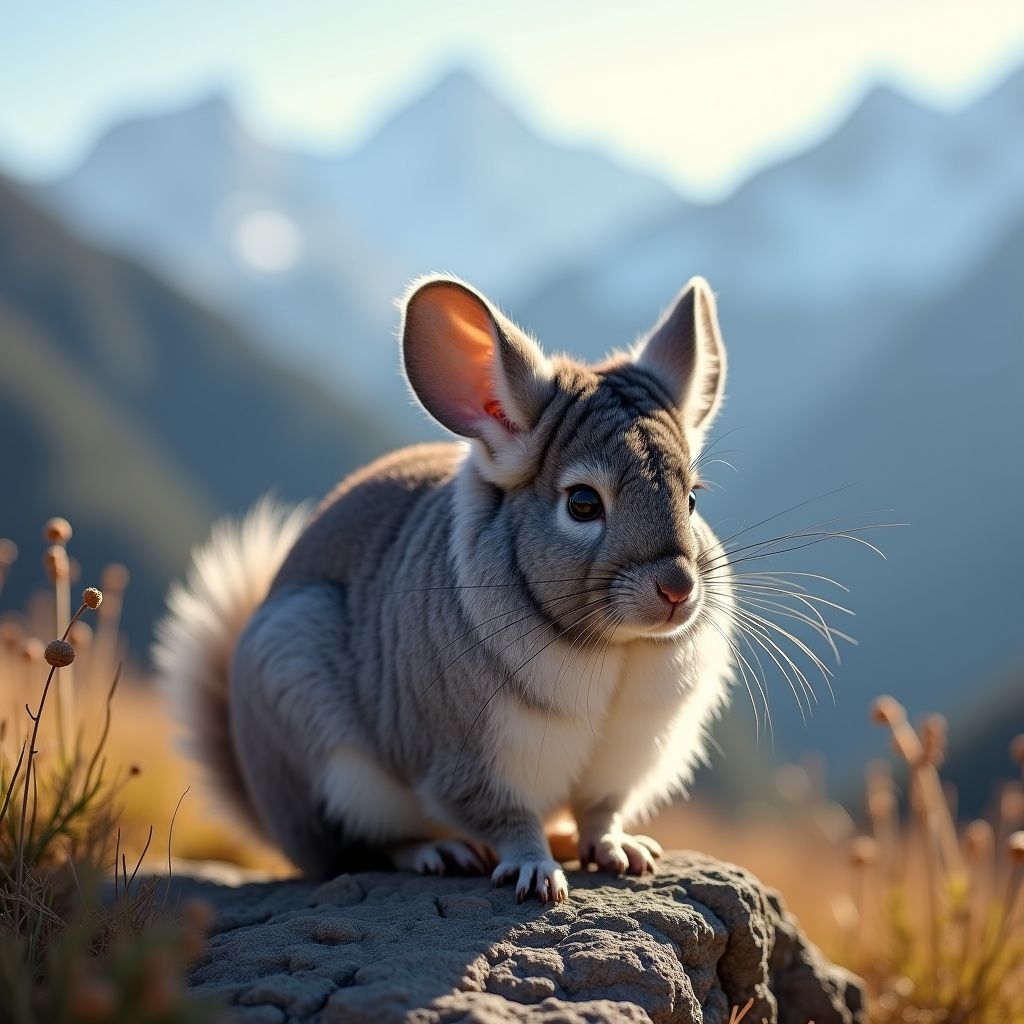
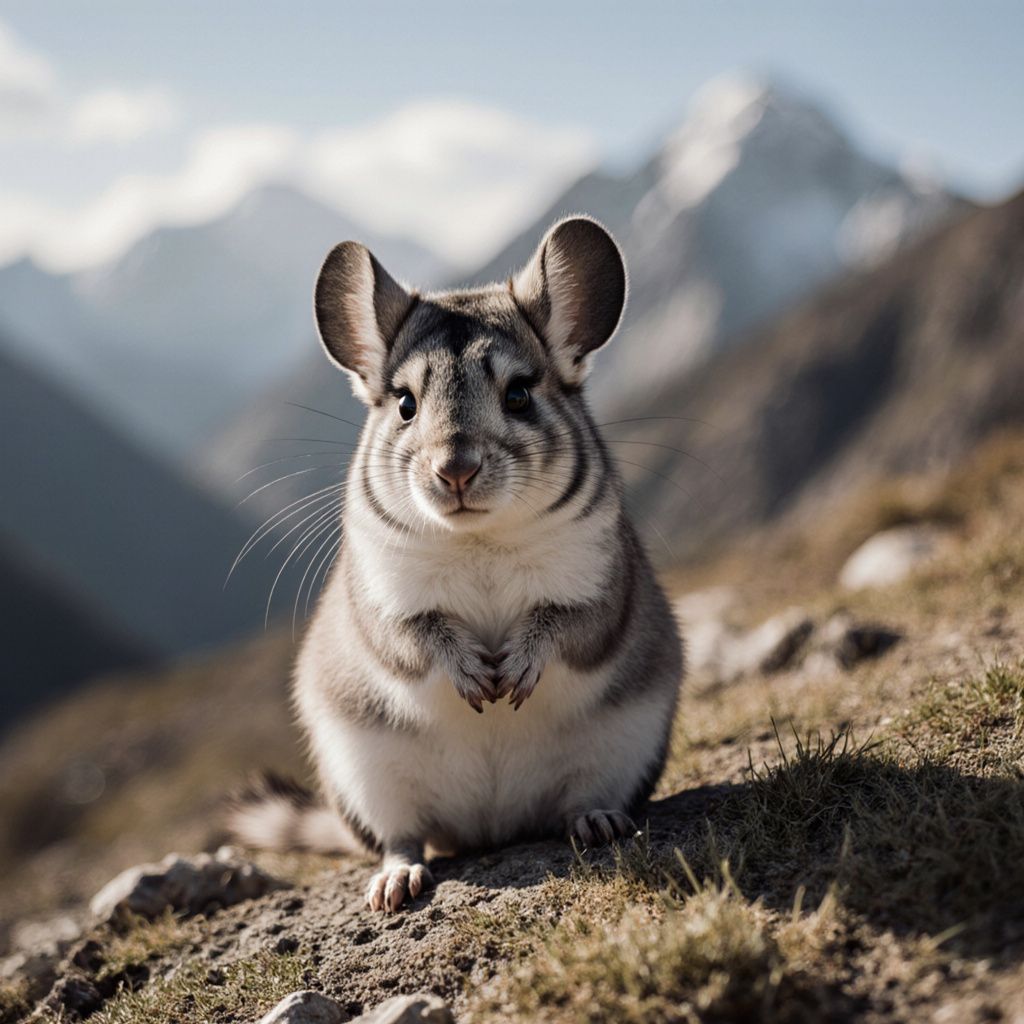
Chinchilla-lajien esittely
Tervetuloa, chinchilla-harrastajat! Jos olet ylpeä omistaja tai harkitset yhden näistä suloisista, pehmeistä otuksista kotiisi, lajin taustan ymmärtäminen on erinomainen lähtökohta. Chinchillat ovat pieniä jyrsijöitä, jotka ovat kotoisin Etelä-Amerikan Andien vuoristoista, ja ne tunnetaan uskomattoman pehmeästä turkistaan sekä leikkisästä luonteestaan. Tässä artikkelissa sukelletaan chinchilla-lajien historiaan, taksonomiaan ja keskeisiin ominaisuuksiin tarjoten samalla käytännön vinkkejä, joilla voit huolehtia karvaisesta ystävästäsi parhaalla mahdollisella tavalla.
Historiallinen tausta
Chinchilloilla on rikas historia, joka liittyy niiden kotiseutuun maissa kuten Chilessä, Perussa, Boliviassa ja Argentiinassa. Historiallisesti villit chinchillat metsästettiin paikallisten kansojen toimesta niiden tiheän, ylellisen turkin takia, jossa on jopa 60 karvaa follikkelissä – mikä tekee siitä yhden eläinmaailman pehmeimmistä. 1900-luvun alkuun mennessä liiallinen metsästys johti populaation jyrkkään vähenemiseen, työntäen ne vaaran partaalle. 1920-luvulla chinchillat kesytettiin ensimmäisen kerran Yhdysvalloissa Mathias F. Chapmanin toimesta, joka toi pienen ryhmän Chilestä aloittaakseen jalostusohjelman turkisteollisuudelle. Onneksi nykyään chinchilloja pidetään pääasiassa rakastettuina lemmikkeinä turkin sijaan, ja suojelutoimia on käynnissä villien populaatioiden suojelemiseksi.
Lemmikinomistajana voit osallistua suojeluun adoptoimalla luotettavilta kasvattajilta tai löytöpaikoista sen sijaan, että tukisit sääntelemättömiä lähteitä. Tämä auttaa varmistamaan, että lajia ei hyväksikäytetä enempää ja pitää painopisteen eettisessä hoidossa.
Taksonomia ja lajien luokittelu
Chinchillat kuuluvat heimoon Chinchillidae ja sukuun Chinchilla. On kaksi päächinchilla-lajia: Chinchilla lanigera (pitkähäntächinchilla) ja Chinchilla chinchilla (lyhyt häntächinchilla). Molemmat lajit ovat ulkonäöltään samankaltaisia, pehmeällä harmaalla turkilla, suurilla silmillä ja tuuheilla häntä, mutta ne eroavat hieman koossa ja hännän pituudessa. Pitkähäntächinchilla, joka on yleisin lemmikkilaji, painaa 400–600 grammaa ja sen hännän pituus on noin 12–15 cm. Lyhyt häntächinchilla, joka on harvinaisempi vankeudessa, on hieman suurempi, painaen jopa 800 grammaa, ja sen häntä on noin 7–10 cm pitkä.
Molemmat lajit ovat crepuscularisia eli aktiivisimpia hämärässä aamulla ja illalla – tämä on hyvä pitää mielessä leikkien ja ruokinnan aikataulutuksessa. Niiden luonnollisen käyttäytymisen ymmärtäminen auttaa luomaan mukavan ympäristön, joka matkii villiä rutiinia ja vähentää lemmikin stressiä.
Keskeiset ominaisuudet ja erot
Luonnossa chinchillat sopeutuivat ankarille, kivisille ympäristöille korkeuksilla 3 000–5 000 metriä (9 800–16 400 jalkaa). Ne paksut turkit suojaavat kylmältä, ja vahvat takajalat mahdollistavat jopa 1,8 metrin loikat – vaikuttavaa näin pienelle eläimelle! Lemmikkeinä nämä piirteet tarkoittavat tarvetta tilavalle häkille, jossa on hyppimisalustoja tai tasoja, sekä viileälle ja kuivalle ympäristölle (ihanteellinen lämpötila 15–21 °C). Ylikuumeneminen on vakava riski, joten älä sijoita häkkiä suoraan auringonpaisteeseen tai lämmönlähteiden lähelle.
Vaikka molemmat lajit jakavat nämä piirteet, pitkähäntächinchilla (C. lanigera) on yleisemmin kesytetty sopeutuvuutensa vankeuteen. Jos et ole varma chinchillasi lajista, eläinlääkäri tai kasvattaja voi tunnistaa sen fyysisten piirteiden, kuten hännän pituuden, perusteella.
Käytännön vinkkejä chinchilla-omistajille
Chinchillasi lajitaustan tunteminen ohjaa räätälöityyn hoitoon. Tässä muutamia toimivia vinkkejä:
- Ympäristön järjestäminen: Matkita luonnollista elinympäristöä monikerroksisella häkillä (vähintään 90 cm korkea) ja tarjoa piilopaikkoja. Vältä muovisia esineitä, sillä chinchillat rakastavat pureskella, ja valitse turvallisia puuleluja.
- Lämpötilan hallinta: Pidä tila viileänä ja hyvin ilmastoidussa. Jos asut kuumassa ilmastossa, harkitse jäähdytyskiveä tai pyyhkeeseen käärittyä jäistä vesipulloa, johon ne voivat nojata.
- Aktiivisuusajat: Koska ne ovat crepuscularisia, vuorovaikuta aamuisin aikaisin tai illalla, kun ne ovat valppaimmillaan. Tämä vahvistaa sidettä ilman unen häiritsemistä.
- Ravinnon tarpeet: Tarjoa laadukkaita chinchilla-pellettiä, rajatonta timotein heinää ja satunnaisia herkkuja kuten kuivattuja ruusunmarjoja. Vältä sokerisia tai rasvaisia ruokia, sillä niiden ruoansulatus on herkkä.
Johtopäätös
Chinchillojen historian ja taksonomian ymmärtäminen syventää arvostustasi näitä viehättäviä lemmikkejä kohtaan ja varustaa sinut vastaamaan niiden ainutlaatuisiin tarpeisiin. Olipa sinulla pitkähäntä- tai lyhyt häntächinchilla, villien juurien tunnistaminen – Andien kivisiltä rinteiltä crepuscularisiin tapoihin – auttaa luomaan onnellisen ja terveen kodin. Oikealla hoidolla chinchillat voivat elää 10–15 vuotta tai pidempään ja tulla elinikäisiksi toveriksi. Ota siis aikaa oppia lemmikkisi taustasta ja nauti chinchilla-hoidon matkasta näiden ihastuttavien pikkuloikkijoiden kanssa!