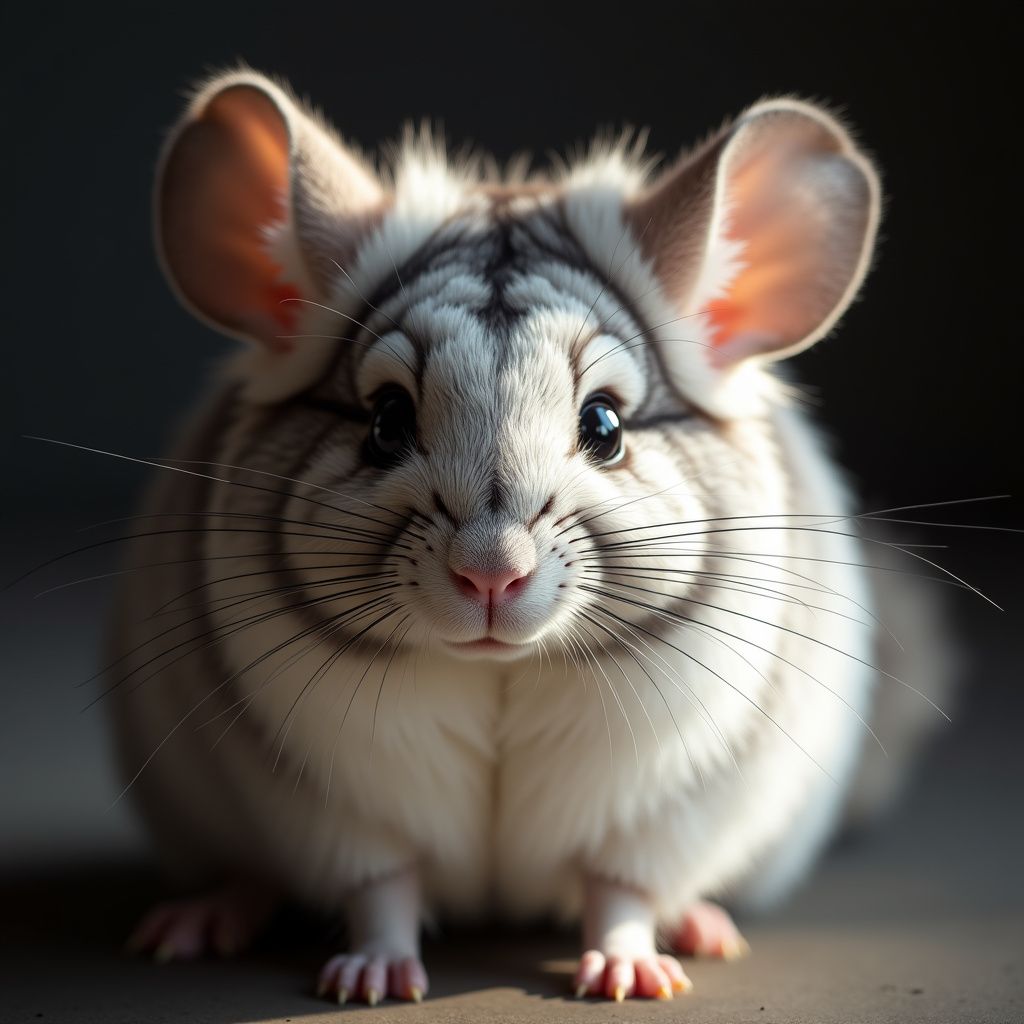

Introducció al Control de Temperatura i Humitat per a Chinchilles
Les chinchilles són mascotes adorables i esponjoses amb necessitats ambientals específiques que són crucials per a la seva salut i felicitat. Originàries de les fredes i àrides Muntanyes Andes d'Amèrica del Sud, les chinchilles són altament sensibles als nivells de temperatura i humitat. Mantenir les condicions adequades en la seva habitatge és essencial per prevenir l'estrès, el cop de calor o problemes respiratoris. Com a propietari de chinchilla, entendre com controlar aquests factors ajudarà a assegurar que la vostra mascota prosperi. Aquesta guia proporciona consells pràctics i informació clau per crear un ambient segur i còmode per a la vostra chinchilla.
Rantge de Temperatura Ideal per a Chinchilles
Les chinchilles estan més còmodes en condicions fresques i seques. El rang de temperatura ideal per al seu espai vital és entre 60°F i 70°F (15°C a 21°C). Les temperatures superiors a 75°F (24°C) poden ser perilloses, ja que les chinchilles són propenses a sobreescalfar-se a causa del seu pelatge dens, dissenyat per mantenir-les calentes en climes freds. L'exposició prolongada a altes temperatures pot provocar un cop de calor, una condició potencialment mortal amb símptomes com letargia, respiració ràpida i col·lapse.
Per mantenir la vostra chinchilla fresca, col·loqueu la gàbia en una habitació ben ventilada lluny de la llum solar directa, radiadors o sortides de calefacció. Si viu en un clima més càlid, considereu utilitzar un ventilador (sense bufar directament a la gàbia) o aire condicionat per mantenir una temperatura segura. Per a una solució ràpida de refresc, podeu col·locar un tauló de ceràmica o una ampolla d'aigua segellada i congelada embolcallada en una tovallola a la gàbia perquè s'hi estengui. Sempre monitoreu la temperatura amb un termòmetre fiable col·locat a prop de la seva zona d'habitage per assegurar-vos que es manté dins del rang segur.
Gestió dels Nivells d'Humitat
L'humitat és un altre factor crític per a la salut de la chinchilla. Aquestes mascotes prosperen en ambients de baixa humitat, idealment entre el 30% i el 50%. Una humitat alta, especialment superior al 60%, pot fer que el seu pelatge esdevingui humit, provocant infeccions fúngiques o irritacions cutànies. També pot contribuir a problemes respiratoris, ja que les chinchilles són sensibles a l'aire humit.
Per controlar la humitat, eviteu col·locar la gàbia en zones humides com soterranis o a prop de banys. Utilitzeu un higròmetre per mesurar els nivells d'humitat en el seu entorn. Si noteu una humitat alta, un deshumidificador pot ser una gran inversió per mantenir l'aire sec. Assegureu una bona circulació d'aire a l'habitació, però eviteu corrents d'aire forts que puguin estressar la vostra mascota. Si viu en una regió humida, fer funcionar un aire condicionat durant els mesos més càlids pot ajudar a gestionar tant la temperatura com la humitat de manera efectiva.
Consells Pràctics per a la comoditat Tot l'Any
Crear un ambient estable per a la vostra chinchilla requereix atenció constant, especialment durant els canvis estacionals. Aquí teniu alguns consells pràctics per ajudar-vos a mantenir condicions òptimes:
- Monitorització Regular: Inverteix en un combo de termòmetre i higròmetre digital per rastrejar els nivells de temperatura i humitat diàriament. Col·loqueu-lo a l'alçada de la gàbia de la vostra chinchilla per lectures precises.
- Ajustos Estacionals: A l'hivern, eviteu sobreescalfar l'habitació amb una calefacció excessiva. A l'estiu, sigueu proactius amb mètodes de refresc, com tancar les cortines durant les hores més caloroses del dia.
- Refresc d'Emergència: Si sospiteu que la vostra chinchilla s'està sobreescalfant, traslladeu-la immediatament a una zona més fresca i ofereixeu-li una superfície fresca per descansar. Contacteu un veterinari si apareixen símptomes de cop de calor.
- Col·locació de la Gàbia: Triïu un lloc permanent per a la gàbia que eviti extrems de temperatura i pics d'humitat. Manteniu-la elevat del terra per prevenir l'exposició a corrents freds o humitat.
Reconeixement i Resposta a Problemes
Encara amb els millors cura, poden sorgir reptes ambientals. Esteu atents als signes d'incomoditat en la vostra chinchilla, com un acicalament excessiu (indicador d'irritació cutània per humitat), ofec o activitat reduïda (possible estrès per calor). Si noteu aquests comportaments, comproveu immediatament la temperatura i la humitat i ajusteu segons calgui. Una acció ràpida pot prevenir que problemes menors es converteixin en qüestions de salut greus.
Mantenint els nivells adequats de temperatura i humitat, proporcioneu a la vostra chinchilla un llar segur i còmode que imiti el seu hàbitat natural. Un petit esforç en monitoritzar i ajustar el seu entorn va molt lluny per mantenir el vostre amic pelut sa i feliç durant anys.