
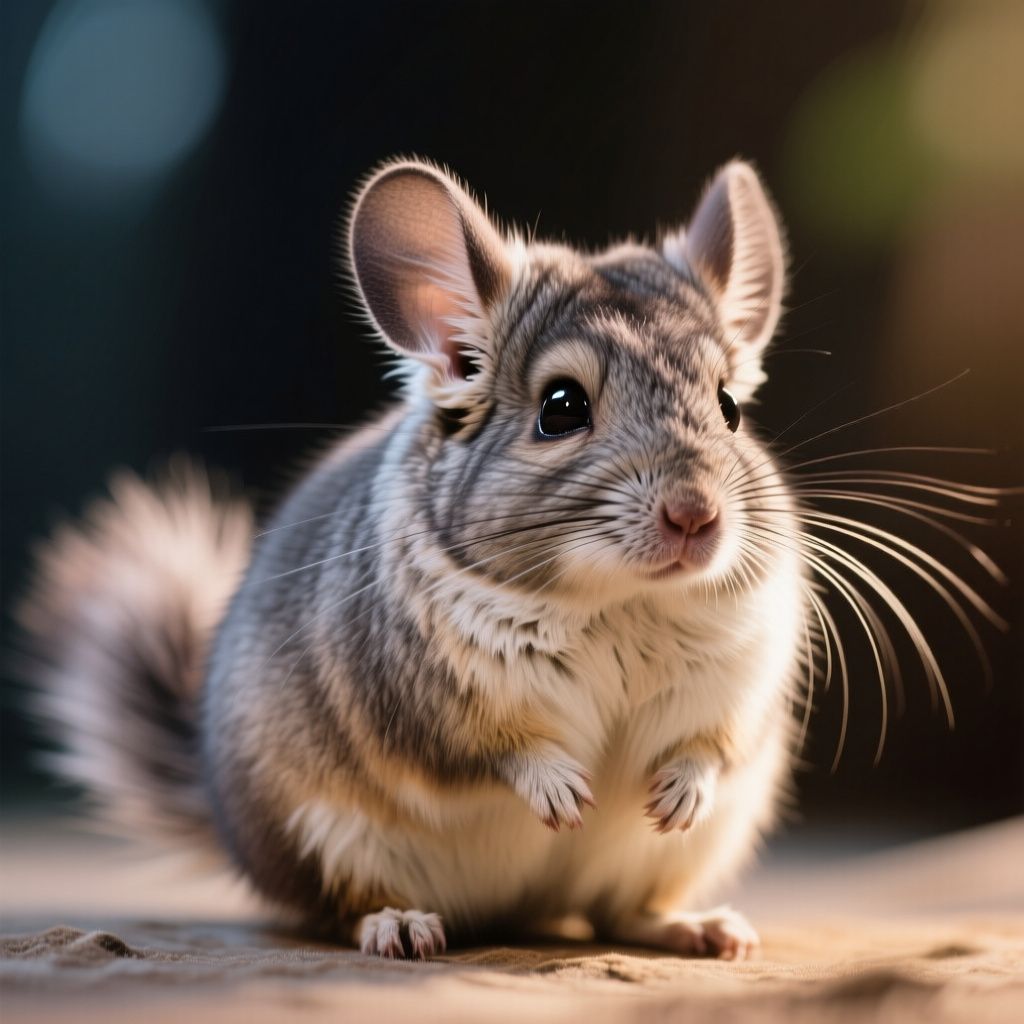
Entenent les necessitats d'il·luminació per a les chinchilles
Les chinchilles, amb el seu pelatge suau i les seves personalitats juganeres, són mascotes encantadores que requereixen condicions ambientals específiques per prosperar. Un aspecte sovint ignorat de la seva cura és l'il·luminació. A diferència de moltes altres mascotes, les chinchilles són crepusculars, cosa que significa que són més actives a l'alba i al capvespre. El seu hàbitat natural a les Muntanyes Andes de Sud-amèrica les exposa a cicles de llum diferenciats, i replicar aquestes condicions en captivitat és essencial per al seu benestar físic i mental. Com a propietari de chinchilla, entendre i gestionar les seves necessitats d'il·luminació pot impactar significativament la seva salut i felicitat.
Cicles de llum natural i comportament de la chinchilla
En llibertat, les chinchilles experimenten un cicle equilibrat de llum i foscor, amb aproximadament 12 hores de llum diürna i 12 hores de foscor, depenent de l'estació. Aquest cicle regula el seu rellotge intern, influint en els seus patrons d'activitat, son i l'estat d'ànim general. L'exposició a cicles de llum consistents ajuda a prevenir l'estrès i problemes de comportament com l'amagatge excessiu o la letargia. En preparar el seu entorn, aspireu a imitar aquest ritme natural tan fidelment com sigui possible. Un horari d'il·luminació estable recolza la seva naturalesa crepuscular, permetent-los sentir-se segurs durant les seves hores actives a l'alba i al capvespre.
Configuració ideal d'il·luminació per a la vostra chinchilla
En allotjar la vostra chinchilla, eviteu col·locar la gàbia en llum solar directa. La llum solar directa pot causar sobreescalfament, ja que les chinchilles són altament sensibles a temperatures superiors a 75°F (24°C). En lloc d'això, col·loqueu la gàbia en una habitació ben il·luminada amb llum natural indirecta durant el dia. Si la llum natural no és una opció, utilitzeu il·luminació artificial per crear un cicle dia-nit consistent. Un temporitzador senzill en una làmpada de baixa intensitat pot fer meravelles: configureu-lo per proporcionar unes 12 hores de llum i 12 hores de foscor cada dia. L'il·luminació suau i ambiental és la millor; les llums intenses o brillants poden estressar-les o alterar el seu son.
També és important evitar canvis sobtats en l'il·luminació. Les chinchilles tenen ulls sensibles, i els canvis abruptes de foscor a llum brillant (o viceversa) poden ser desorientadors. Si necessiteu encendre un llum a l'habitació, considereu utilitzar un interruptor atenuador o encendre primer una làmpada més petita per facilitar la transició. A més, assegureu-vos que la gàbia tingui zones d'ombra o amagadors on puguin refugiar-se si la llum els sembla massa intensa.
Consells pràctics per gestionar l'il·luminació
Aquí teniu alguns consells pràctics per satisfer les necessitats d'il·luminació de la vostra chinchilla:
- Utilitzeu un temporitzador per a la consistència: Inverteix en un temporitzador de presa econòmic per a la vostra làmpada per automatitzar un cicle de 12 hores de llum. Això garanteix que l'entorn de la vostra chinchilla sigui previsible, fins i tot si el vostre horari diari varia.
- Controlau la col·locació de l'habitació: Mantingueu la gàbia allunyada de finestres amb llum solar directa i fora d'habitacions amb canvis freqüents de llum, com cuines o zones de vida on els llums s'encenen i apaguen de manera imprevisible.
- Proporcioneu amagadors: Incloeu un amagador de fusta o un túnel a la gàbia. Aquests proporcionen a la vostra chinchilla un lloc fosc i còmode per descansar durant el dia quan els nivells de llum són més alts.
- Eviteu molèsties nocturnes: Si necessiteu comprovar la vostra chinchilla després de la foscor, utilitzeu una llanterna amb llum vermella suau o baixa en blau. Aquestes longituds d'ona són menys propenses a alterar el seu son en comparació amb llums blanques o brillants.
Problemes potencials amb una il·luminació inadequada
Una il·luminació incorrecta pot provocar problemes de salut i comportament en les chinchilles. Massa llum, especialment a la nit, pot alterar el seu son, provocant estrès o irritabilitat. Per contra, massa poca llum o cicles irregulars poden causar letargia o depressió, ja que depenen de senyals de llum per regular la seva activitat. Amb el temps, aquests problemes poden debilitar el seu sistema immunitari o afectar el seu apetite. Si noteu que la vostra chinchilla s'amaga més de l'habitual, mostra menys activitat o presenta signes d'estrès (com mastegar el pelatge), avalieu la configuració d'il·luminació com a possible causa.
En prestar atenció a l'entorn d'il·luminació de la vostra chinchilla, esteu fent un pas crucial cap a garantir el seu confort i salut. Amb una mica de planificació i observació, podeu crear un espai que sembli un refugi natural i segur per al vostre amic pelut, permetent-li prosperar sota la vostra cura.