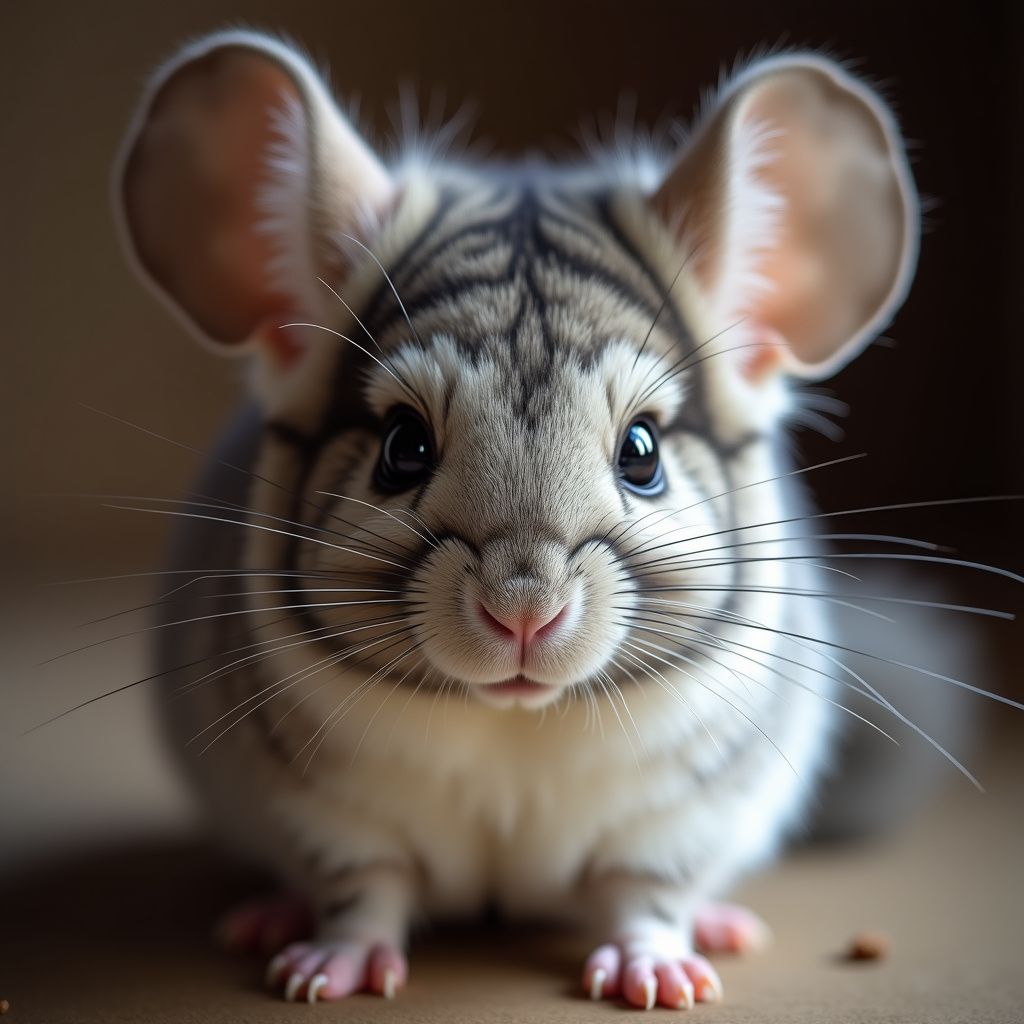
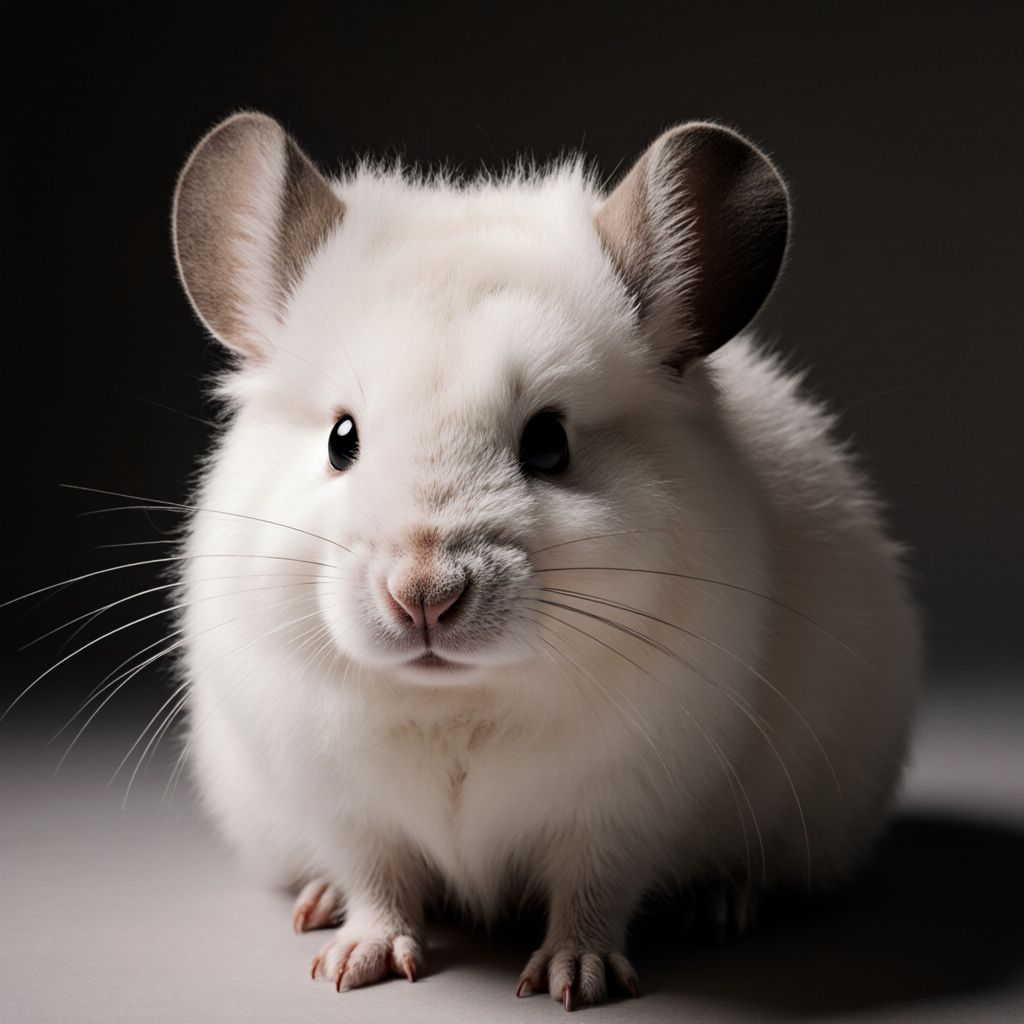
Introduction to Breeding Pair Selection for Chinchillas
Selecting the right breeding pair is a critical step for chinchilla owners who are considering breeding their pets. Chinchillas are delicate, social animals, and successful breeding requires careful planning to ensure the health and well-being of both the parents and their offspring. This process involves evaluating genetics, temperament, age, and overall compatibility. By taking a thoughtful approach, you can increase the chances of producing healthy kits (baby chinchillas) while minimizing stress and health risks for your pets. This article will guide you through the key considerations and practical steps to select a suitable breeding pair.
Why Breeding Pair Selection Matters
Breeding chinchillas is not just about pairing two animals together; it’s about making informed choices to avoid genetic issues, ensure healthy litters, and maintain the happiness of your pets. Poorly matched pairs can result in aggressive behavior, unsuccessful mating, or health problems in the offspring, such as malocclusion (misaligned teeth) or heart defects, which are known genetic issues in chinchillas. Additionally, chinchillas can have litters of 1 to 6 kits, with an average gestation period of 111 days, so owners must be prepared for the responsibility of caring for multiple babies. Proper pair selection helps reduce these risks and contributes to a positive breeding experience.
Key Factors in Selecting a Breeding Pair
Age and Health
Chinchillas should not be bred until they are at least 8-12 months old for females and 9 months for males. Breeding too early can lead to complications, as the female’s body may not be fully developed. Always have both chinchillas examined by a veterinarian to confirm they are in good health, free from hereditary conditions, and at a healthy weight (typically 400-600 grams for adults). Avoid breeding chinchillas with known health issues, as these can be passed on to the kits.Genetic Background
Researching the lineage of your chinchillas is essential to avoid inbreeding, which can increase the likelihood of genetic defects. If possible, obtain pedigree information from the breeder or previous owner. Pairing chinchillas with diverse genetic backgrounds helps promote stronger, healthier offspring. Additionally, be cautious about pairing chinchillas with a history of lethal gene combinations, such as two chinchillas carrying the "lethal factor" associated with certain coat colors like white or velvet, as this can result in non-viable kits.Temperament and Compatibility
Chinchillas have distinct personalities, and not all pairs will get along. Before breeding, introduce the potential pair in a neutral space under close supervision to observe their interactions. Signs of compatibility include mutual grooming and calm behavior, while aggression, such as biting or excessive chasing, indicates they may not be a good match. Never force a pairing, as stress can harm their health and prevent successful mating.Practical Tips for Chinchilla Owners
- Start with Research: Educate yourself on chinchilla genetics and breeding risks before pairing any animals. Joining chinchilla breeder communities or forums can provide valuable insights and support.
- Plan for Space: Ensure you have separate cages ready in case the pair does not get along or if the female needs isolation during pregnancy. A minimum cage size of 3 feet wide by 2 feet deep by 2 feet high is recommended for a breeding pair.
- Monitor Behavior: After pairing, keep a close eye on the female for signs of pregnancy, such as weight gain or nesting behavior, and consult a vet if you notice any distress.
- Prepare for Kits: Have supplies like extra bedding, a safe nesting box, and high-quality hay ready for the arrival of kits. Remember that kits are born fully furred and with open eyes, so they require immediate care and protection.
- Consider Alternatives: If breeding seems too complex or risky, consider adopting chinchillas instead. Many rescues have chinchillas in need of loving homes.
Final Thoughts on Responsible Breeding
Breeding chinchillas can be a rewarding experience, but it comes with significant responsibilities. Selecting the right breeding pair is the foundation of a successful and ethical breeding process. By prioritizing health, compatibility, and genetic diversity, you can help ensure the well-being of your chinchillas and their future kits. Always approach breeding with caution and a commitment to providing the best care possible. If you’re unsure about any aspect of the process, consult with an exotic animal veterinarian or an experienced breeder for guidance. Your dedication to responsible breeding will contribute to the health and happiness of these charming little animals.