Entenent l'estrès en les chinchilles
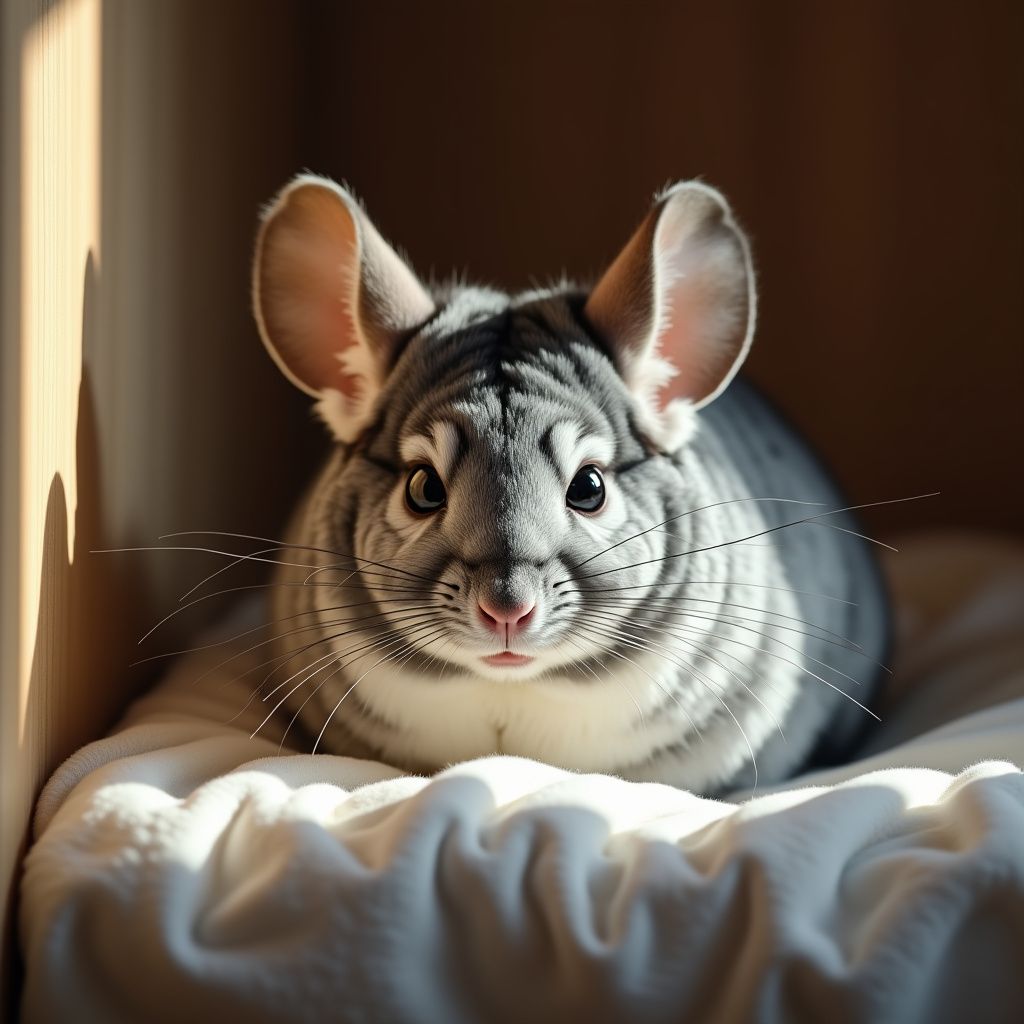
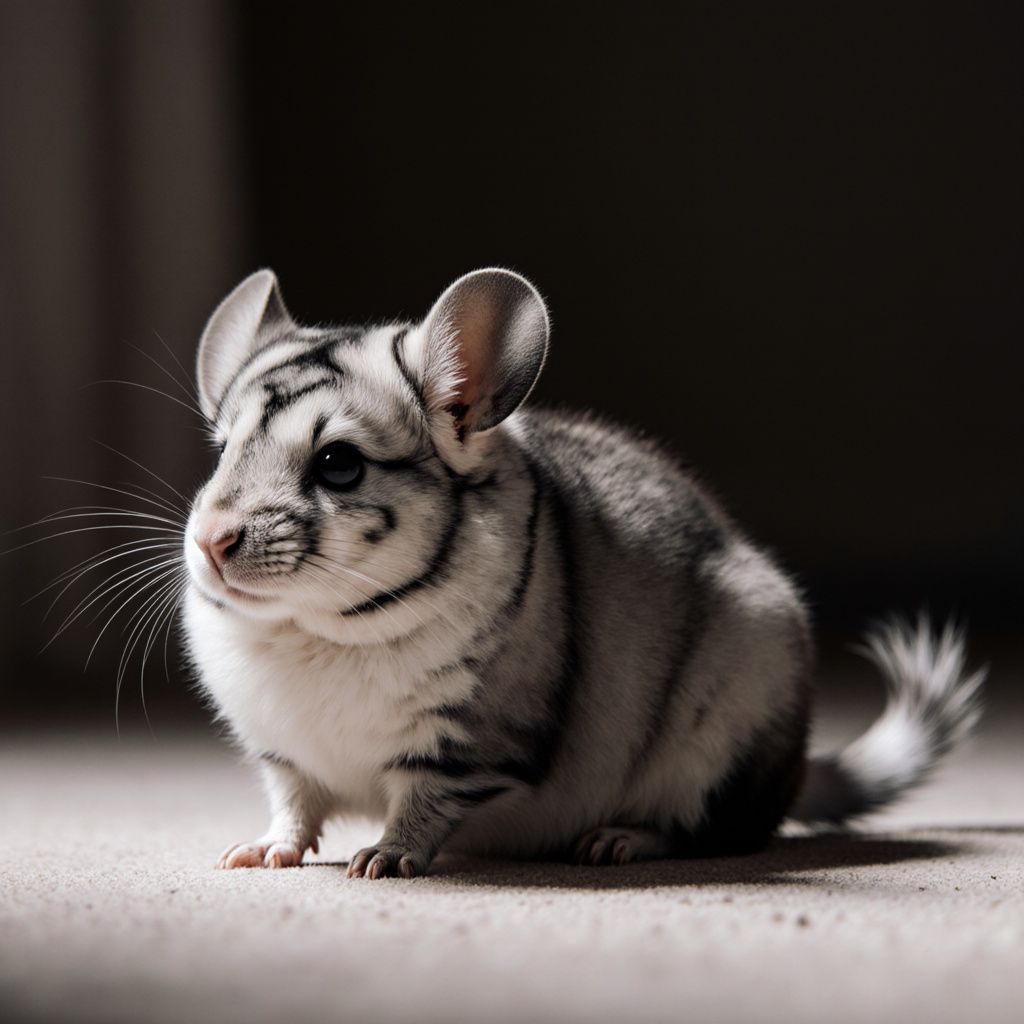
Les chinchilles són criatures adorables i sensibles amb necessitats úniques, i l'estrès pot impactar significativament la seva salut i felicitat. Com a petits animals presa, les chinchilles estan naturalment programades per estar en alerta màxima davant del perill, cosa que les fa propenses a l'estrès per canvis ambientals, sorolls forts o manipulació inadequada. L'estrès en les chinchilles es pot manifestar amb canvis de comportament com mastegar excessivament, amagar-se o arrencar-se el pèl, i símptomes físics com pèrdua de pes o problemes digestius. L'estrès crònic pot fins i tot debilitar el seu sistema immunitari, fent-les més susceptibles a malalties. Entendre i gestionar l'estrès és crucial per assegurar que la vostra chinchilla visqui una vida llarga i feliç—les chinchilles poden viure 10-20 anys amb els cures adequats!
Causes comunes d'estrès en les chinchilles
Diversos factors poden desencadenar l'estrès en les chinchilles, i conèixer-los pot ajudar-vos a crear un ambient tranquil. Canvis sobtats en el seu entorn, com traslladar la gàbia o introduir nous animals de companyia, poden ser molt desestabilitzadors. Sorolls forts, com els de la televisió, aspiradores o crits, poden espantar-les a causa del seu audició sensible—les chinchilles poden sentir freqüències de fins a 30 kHz, molt més enllà de l'abast humà. La manipulació excessiva o brusca és un altre estressor comú, ja que les chinchilles prefereixen un contacte suau i mínim fins que construeixin confiança. A més, la manca d'estimulació mental o una gàbia estreta (necessiten almenys 3-4 peus quadrats d'espai al terra per chinchilla) pot portar a l'avorriment i l'ansietat. Fins i tot temperatures altes per sobre de 75°F (24°C) poden estressar-les, ja que les chinchilles són propenses a sobreescalfar-se pel seu pèl dens.
Senyals d'estrès a vigilar
Reconèixer l'estrès aviat pot prevenir problemes de salut més greus. Esteu atents a canvis de comportament com amagar-se més, apetit reduït o comportament agressiu com bordar o mossegar. Senyals físics inclouen pèrdua de pèl (sovint per excessiu acicalament o mastegar el pèl), diarrea o una postura encorbada. Si la vostra chinchilla deixa d'acicalar-se o perd pes—les chinchilles adultes solen pesar entre 400-600 grams—l'estrès podria ser el culpable. Monitorar aquests senyals regularment us ajudarà a intervenir abans que l'estrès escali a condicions com fur slip (un mecanisme de defensa on alliberen pegats de pèl) o estasi gastrointestinal, una condició potencialment fatal.
Consells pràctics per gestionar l'estrès
Per sort, hi ha moltes maneres d'ajudar la vostra chinchilla a sentir-se segura i còmoda. Comenceu col·locant la seva gàbia en una zona tranquil·la i de poc tràfic de casa vostra, allunyada d'aparells sorollosos o espais concorreguts. Manteniu una rutina consistent per alimentar i netejar, ja que les chinchilles prosperen amb la predictibilitat. Ofereix una gàbia espaiosa amb diversos nivells i llocs per amagar-se—cases de fusta o túnels funcionen bé—per donar-los una sensació de seguretat. Proporcioneu joguines per mastegar segures i banys de pols (2-3 vegades per setmana durant 10-15 minuts) per mantenir-les mentalment estimulades i imitar els seus comportaments naturals.
Manipuleu la vostra chinchilla suaument i només quan sigui necessari, especialment durant el període inicial d'enllaç. Deixeu que vinguin a vosaltres asseient-vos a prop de la gàbia i oferint premis com un tros petit de poma seca o un cub de fenc. Eviteu moviments sobtats o forçar la interacció, ja que això pot erosionar la confiança. Manteniu el seu entorn fresc, idealment entre 60-70°F (15-21°C), i utilitzeu un ventilador o aire condicionat si cal, assegurant-vos que no hi hagi flux d'aire directe a la gàbia.
Finalment, observeu el seu comportament diàriament i consulteu un veterinari expert en animals exòtics si noteu senyals persistents d'estrès. Una mica de paciència i atenció fan molt per ajudar la vostra chinchilla a sentir-se còmoda.
Construint un enllaç sense estrès
Crear un entorn sense estrès per a la vostra chinchilla no només millora la seva qualitat de vida sinó que també enforteix el vostre vincle. Passeu temps a prop de la seva gàbia parlant suaument o llegint en veu alta per acostumar-los a la vostra veu. Amb el temps, us associaran amb seguretat en lloc d'amenaça. Recordeu, cada chinchilla té una personalitat única—algunes s'hi acostumen en setmanes, altres en mesos. Prioritzant el seu confort i minimitzant els estressors, esteu establint les bases per a una relació de confiança i alegria amb el vostre amic pelut.