Introducció als Viatges amb Xinxilles
Viure un viatge amb una xinxilla pot ser una experiència única i gratificant per als propietaris de mascotes, però requereix una planificació acurada i atenció a les seves necessitats específiques. Les xinxilles són petits mamífers sensibles originaris de les Muntanyes Andes, i prosperen en ambients frescos i secs. La seva naturalesa delicada fa que el viatge pugui ser estressant per a elles si no es gestiona adequadament. Sigui un viatge curt al veterinari o un trajecte més llarg, entendre com mantenir la teva xinxilla segura i còmoda és essencial. Aquest article ofereix consells pràctics per garantir una experiència de viatge suau tant per a tu com per al teu amic pelut.
Preparació per al Viatge
Abans de posar-te en marxa, la preparació és clau per minimitzar l'estrès de la teva xinxilla. Comença consultant el teu veterinari per assegurar-te que la teva mascota està prou saludable per viatjar. Les xinxilles són propenses a problemes relacionats amb l'estrès, així que una revisió veterinària pot descartar preocupacions de salut subjacents. Si la teva xinxilla pren medicació o té necessitats dietètiques específiques, prepara prou subministraments per a la durada del viatge, més uns quants dies extra en cas de retards.
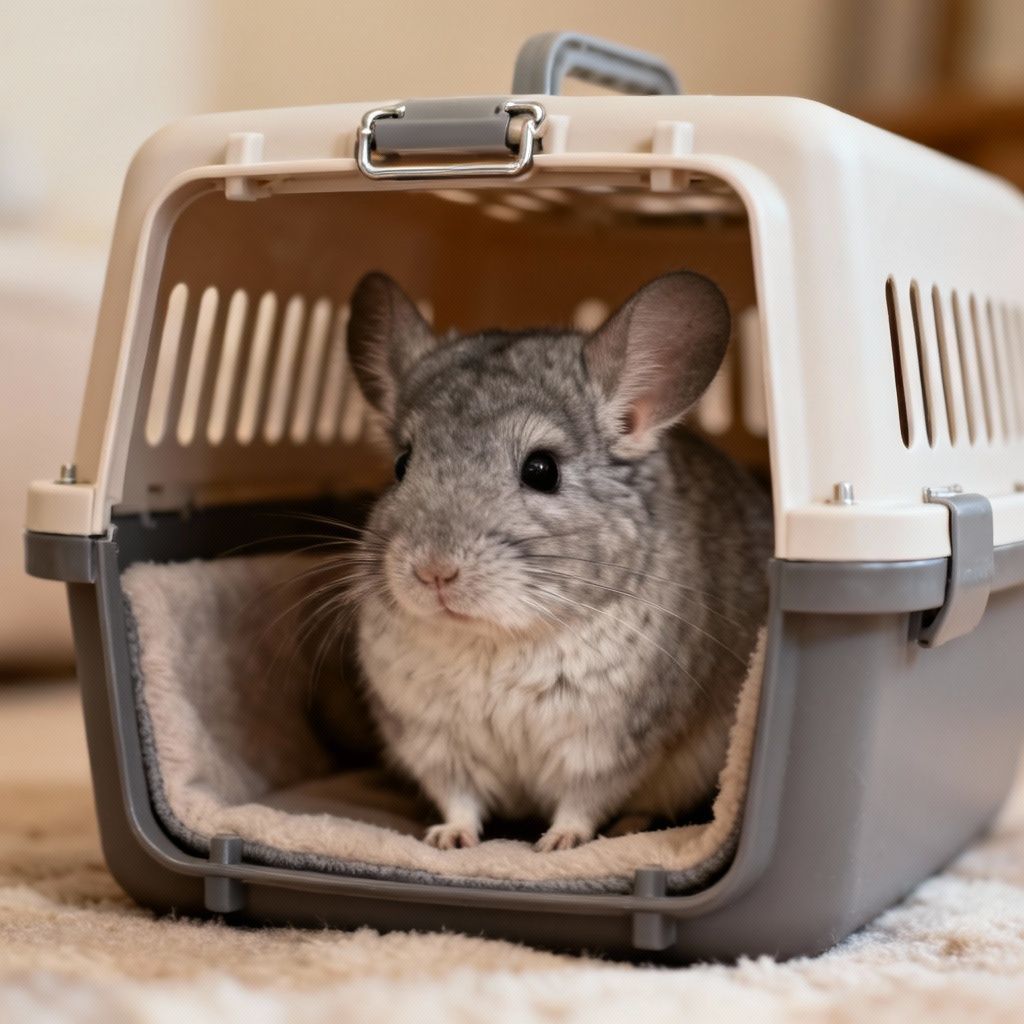
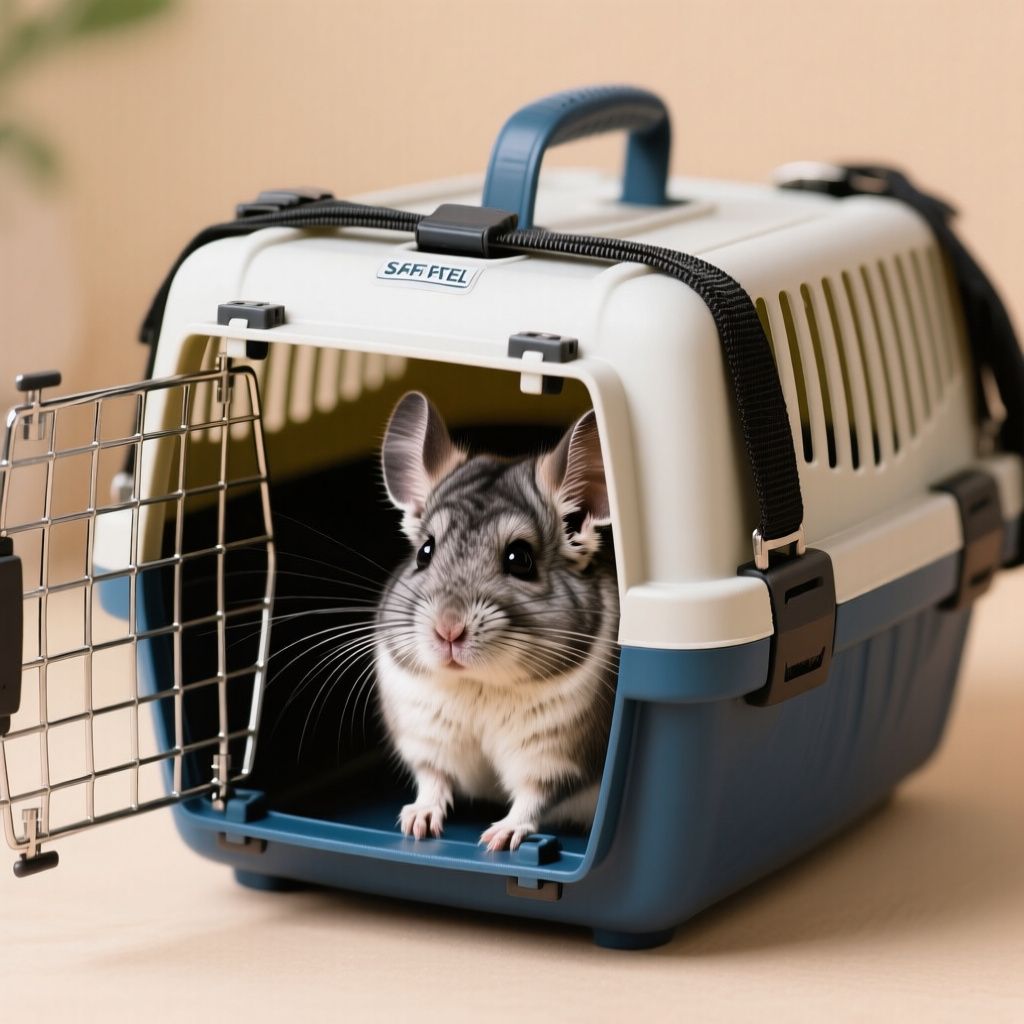
Inverteix en un transport segur i ben ventilat dissenyat per a animals petits. El transport ha de ser prou gran perquè la teva xinxilla pugui aixecar-se i girar còmodament, però prou petit per sentir-se segura —normalment al voltant de 12x8x8 polzades per a una sola xinxilla. Forra el fons amb un material suau i absorbent com el velló, i evita utilitzar roba de llit solta que pugui desplaçar-se durant el viatge. Familiaritza la teva xinxilla amb el transport uns quants dies abans del viatge col·locant-hi premis o joguines per crear associacions positives.
Manteniment d'un Ambient Segur
Les xinxilles són altament sensibles a la temperatura i la humitat, així que mantenir un ambient segur durant el viatge és crític. Prosperen a temperatures entre 60-70°F (15-21°C) i poden patir un cop de calor si s'exposen a temperatures superiors a 75°F (24°C) durant un període curt. Si viatges en cotxe, no deixis mai la teva xinxilla en un vehicle aturat, ja que les temperatures poden pujar ràpidament. Utilitza l'aire condicionat per mantenir el cotxe fresc, i porta un petit ventilador portàtil o una almofada refrigeradora si cal. Per al temps fred, embolcalla el transport amb una manta per retenir la calor, però assegura't que la ventilació no es vegi compromesa.
Evita sorolls forts sobtats o vibracions, ja que poden espantar la teva xinxilla. Col·loca el transport en un lloc estable, com el seient del darrere, i fixa'l amb un cinturó de seguretat per evitar que llisqui. Si vols volar, comprova les polítiques de la companyia aèria sobre mascotes petites amb antelació, ja que moltes tenen regulacions estrictes. La majoria de companyies aèries requereixen que les xinxilles viatgin a la cabina en un transport aprovat sota el seient, i les tarifes poden oscil·lar entre 50 i 125 dòlars per mascota.
Alimentació i Hidratació Durant el Viatge
Mantenir la dieta de la teva xinxilla durant el viatge ajuda a prevenir malestars digestius. Porta el seu fenc habitual (el fenc de timothy és ideal) i els pellets en recipients hermètics per mantenir-los frescos. Evita introduir nous aliments durant el viatge, ja que les xinxilles tenen estómacs sensibles. Porta una petita ampolla d'aigua anti-vuelcament i ofereix aigua fresca regularment, especialment en trajectes llargs. La deshidratació pot aparèixer ràpidament, així que controla la seva ingesta de prop. Si la teva xinxilla es nega a beure, prova d'eixugar una petita quantitat d'aigua als seus llavis amb un drap net per animar-la.
Gestió de l'Estrès i la Comoditat
Les xinxilles són criatures d'hàbits, i el viatge pot alterar la seva rutina. Per alleujar la seva ansietat, porta objectes familiars com un amagatall favorit o un petit tros de roba de llit amb el seu olor. Limita el maneig al mínim durant el viatge, ja que una interacció excessiva pot augmentar l'estrès. Parla en veu baixa per tranquil·litzar-les si semblen agitades, i comprova-les periòdicament sense obrir el transport llevat que sigui necessari.
En arribar al destí, munta un espai tranquil i segur perquè la teva xinxilla s'aclimati abans de deixar-la explorar. Evita col·locar la seva gàbia a prop de finestres amb corrents d'aire o conductes de calefacció, i mantingues el seu horari habitual d'alimentació i joc tant com sigui possible. Vigila signes d'estrès, com un acicalament excessiu, pèrdua d'apetit o letargia, i contacta un veterinari si notes res inusual.
Consells Finals per a un Viatge Suau
Viure un viatge amb una xinxilla requereix paciència i previsió, però amb l'enfocament adequat, pot ser una experiència positiva. Porta sempre un kit d'emergència amb essentials com menjar extra, una guia de primers auxilis i informació de contacte d'un veterinari local d'animals exòtics. Planifica la teva ruta amb parades si condueixes llargues distàncies, permetent temps per comprovar la teva mascota. Finalment, recorda que no totes les xinxilles s'adapten bé als viatges —algunes poden estar millor quedant-se a casa amb un cuidador de mascotes de confiança. Avalua el temperament i les necessitats de la teva xinxilla abans de decidir portar-la, assegurant que el seu benestar sigui la prioritat principal.