
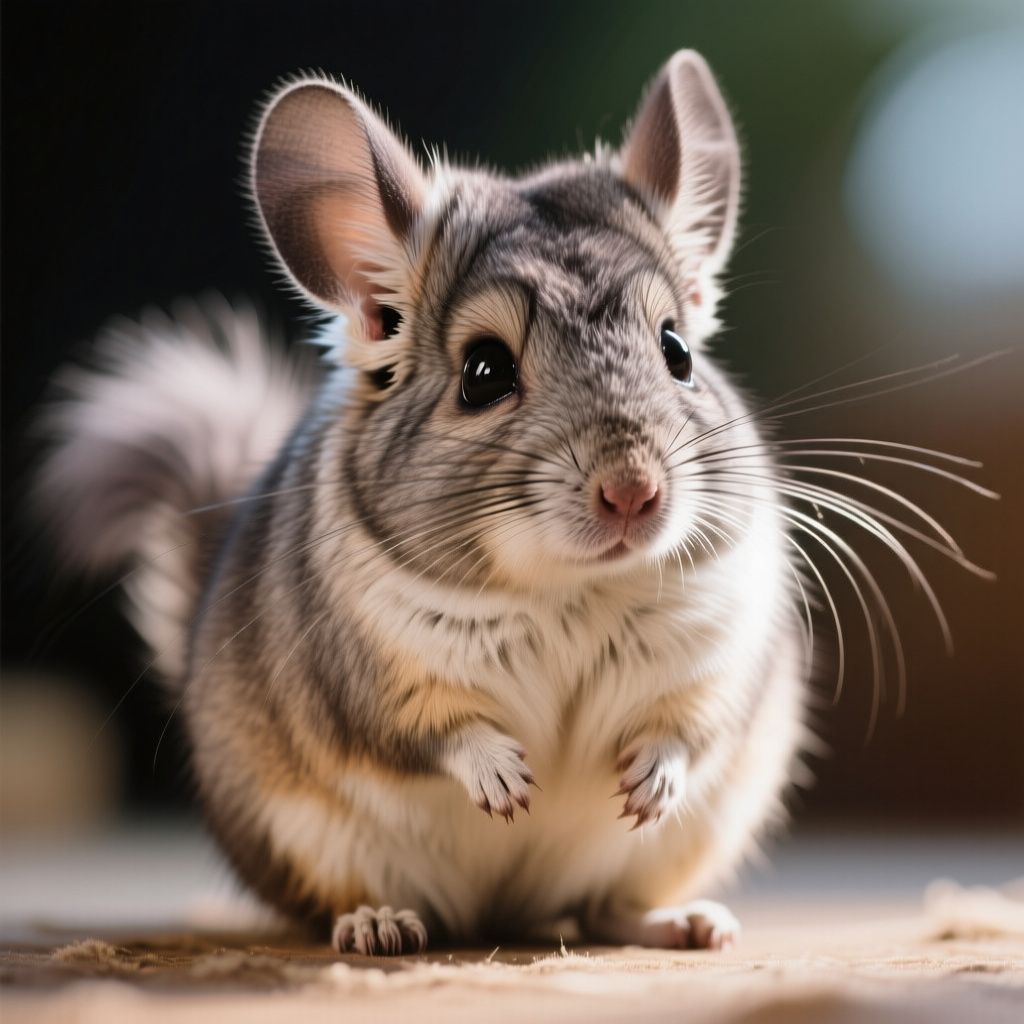
Chinchilla အစာအာဟာရဆိုင်ရာ မရှိမဖြစ်လိုအပ်သော လမ်းညွှန်စာအုပ်ကို ကြိုဆိုပါတယ်။ Chinchilla ပိုင်ရှင်တစ်ဦးအနေနဲ့ သင့်ရဲ့ အုံအုံချွန်ချွန် မိတ်ဆွေကို မှန်ကန်သော အာဟာရရရှိစေရန် သေချာစေခြင်းသည် ၎င်းတို့၏ ကျန်းမာရေးနှင့် ပျော်ရွှင်မှုအတွက် အဓိကသော့ချက်ဖြစ်ပါတယ်။ Chinchillas တွေမှာ အသက်မျှင်စနစ်ကို အလွန်ထိခိုက်လွယ်ပြီး အခြားသော အသေးစား မွေးမြူသတ္တိများနှင့် ကွဲပြားသော အထူးပြု အစာအာဟာရလိုအပ်ချက်များ ရှိပါတယ်။ ဤဆောင်းပါးက ဟန်ချက်ညီသော chinchilla အစာအာဟာရရဲ့ အခြေခံများကို လမ်းညွှန်ပေးပြီး သင့်ရဲ့ မွေးမြူသတ္တိကို အကောင်းဆုံး ပြုစုစောင့်ရှောက်ရန် ကူညီပေးပါလိမ့်မယ်။
Chinchilla အစာအာဟာရလိုအပ်ချက်များကို နားလည်ခြင်း
Chinchillas တွေမှာ အစက်အမြစ်ဓာတ်များပြီး အဆီဓာတ်နည်းသော အစာအာဟာရအတွက် ဒီဇိုင်းထုတ်ထားသော အသက်မျှင်စနစ်ရှိသော အပင်စားသတ္တဝါများဖြစ်ပါတယ်။ တောရိုင်းဘဝမှာ ၎င်းတို့သည် မာမာ၊ အမျှင်ဓာတ်များသော မြက်ပင်များ၊ အလွှာများနှင့် ချုံနွယ်ကို အဓိကစားသုံးပါတယ်။ ဒါကြောင့် မွေးမြူထားသည့် အစာအာဟာရကို ဤသဘာဝအစားအစာများနှင့် အနီးစပ်ဆုံး အတုယူစေသင့်ပါတယ်။ မှန်ကန်သော အစာအာဟာရသည် သွားရောဂါ၊ အဝလွန်ရောဂါ နှင့် ဗိုက်ပန်း သို့မဟုတ် stasis ကဲ့သို့သော အသေးစား ကျန်းမာရေးပြဿနာများကို ကာကွယ်ပေးပါတယ်။
Chinchilla ၏ အစာအာဟာရရဲ့ အဓိကအုတ်မြစ်မှာ အရည်အသွေး မြင့်မားသော hay ကို အကန့်အသတ်မရှိ ရရှိနိုင်ရန်ဖြစ်ပြီး၊ နေ့စဉ်စားသုံးမှု၏ ၇၀-၈၀% ခန့်ကို ဖြစ်စေသင့်ပါတယ်။ Hay သည် မရှိမဖြစ်လိုအပ်သော အမျှင်ဓာတ်ကို ပေးရုံသာမက ၎င်းတို့၏ အမြဲတိုးပွားနေသော သွားများကို ယားယံစေရန်လည်း ကူညီပေးပါတယ်။ Hay လုံလောက်မှု မရှိရင် chinchillas တွေမှာ နှစ်လျှင် ၂-၃ လက်မ အထိ တိုးပွားနေသော သွားများကြောင့် နာကျင်ဖွယ် သွားရောဂါများ ဖြစ်ပေါ်နိုင်ပါတယ်။
Chinchilla အစာအာဟာရရဲ့ အဓိကအစိတ်အပိုင်းများ
Hay: အုတ်မြစ်
အမြဲတမ်း လတ်ဆတ်ပြီး အကန့်အသတ်မရှိသော hay ကို ပေးပါ၊ ဥပမာ timothy hay သည် အမျှင်ဓာတ်များပြီး ကယ်လ်စီယမ်ဓာတ်နည်းသောကြောင့် လူကြီး chinchillas များအတွက် အကောင်းဆုံးပါတယ်။ လူကြီးများအတွက် alfalfa hay ကို ရှောင်ပါ၊ အကြောင်းမှာ ကယ်လ်စီယမ်နှင့် ပရိုတိန်းဓာတ် များလွန်းပြီး ဆီးလမ်းကြောင်းပြဿနာများ ဖြစ်ပေါ်စေနိုင်ပါတယ်။ Hay ကို မှိုရနိုင်မှု ကာကွယ်ရန် အေးပြီး ခြောက်သွေ့သော နေရာတွင် သိမ်းဆည်းပါ၊ နေ့စဉ် သန့်ရှင်းပြီး ဖုန်မရှိကြောင်း စစ်ဆေးပါ။Pellets: ဟန်ချက်ညီသော အပိုဆေး
Hay အပြင် chinchillas တွေမှာ အထူးပြုထုတ်လုပ်ထားသော chinchilla pellets အနည်းငယ်လိုအပ်ပါတယ်—ပျမ်းမျှ လူကြီး chinchilla တစ်ကောင်အတွက် နေ့စဉ် ၁-၂ ဇွန်း ခန့်ပါ။ အဆီ သို့မဟုတ် သကြားဓာတ် မများသော အာဟာရလိုအပ်ချက်များကို ဖြည့်ဆည်းပေးရန် ဒီဇိုင်းထုတ်ထားသော chinchillas အတွက် အထူးပြုထုတ်လုပ်ထားသော pellets များကို ရွေးချယ်ပါ။ များသောအားဖြင့် မျှင်သီးများ နှင့် အခွံမာသီးများ ပါဝင်ပြီး အဆီ များလွန်းကာ ကျန်းမာရေးပြဿနာများ ဖြစ်စေနိုင်သော အထွေထွေ rodent mixes များကို ရှောင်ပါ။Treats: အနည်းငယ်သာ နှင့် ဘေးကင်းစွာ
Treats များကို အနည်းငယ်သာ ပေးသင့်ပါတယ်၊ အကြောင်းမှာ chinchillas တွေမှာ သကြား သို့မဟုတ် အဆီ များသော အစားအစာများက အသက်မျှင်စနစ် အနှောင့်အယှက်ဖြစ်စေလွယ်ပါတယ်။ ဘေးကင်းသော ရွေးချယ်စရာများမှာ အခြောက်ခံ ပန်းသီး အပိုင်းငယ်များ၊ rose hips သို့မဟုတ် ကုန်သည်အဆင့် chinchilla treats များဖြစ်ပြီး တစ်ပတ်လျှင် ၁-၂ ချောင်း ငယ်ငယ်သာ ကန့်သတ်ပါ။ ချောကလက်၊ ကဖိန်း သို့မဟုတ် ဆားများသော လူသုံး အစားအစာများကို ဘယ်တော့မှ မပေးပါနှင့်၊ ဤအရာများသည် အဆိပ်သက်ရောက်နိုင်ပါတယ်။ အသစ်သော treats များကို ဖြည်းဖြည်းချင်း မိတ်ဆက်ပါ နှင့် ဝမ်းပျက်ခြင်း သို့မဟုတ် မသက်မသာ လက္ခဏာများ ရှိကြောင်း စောင့်ကြည့်ပါ။ရေ: လတ်ဆတ်ပြီး သန့်ရှင်း
Chinchillas တွေမှာ ညစ်ညမ်းမှု ကာကွယ်ရန် drip bottle ဖြင့် လတ်ဆတ်ပြီး သန့်ရှင်းသော ရေကို အမြဲရရှိနိုင်ရန် လိုအပ်ပါတယ်။ ပုလင်းကို နေ့စဉ် မှန်ကန်စွာ အလုပ်လုပ်နေကြောင်း စစ်ဆေးပြီး ရေပိုက်ရေ ဓာတ်ရောင်ခဲ များလွန်းပါက စစ်ထုတ်ထားသော သို့မဟုတ် ပုလင်းရေ ဖြင့် ဖြည့်ပါ။ ပုလင်း လွယ်ကူစွာ ညစ်ညမ်း သို့မဟုတ် ပြုတ်လဲနိုင်သောကြောင့် ခွက်များကို ရှောင်ပါ။Chinchilla ကို ကျွေးမွေးရန် လက်တွေ့ အကြံပြုချက်များ
- ဇယားထုတ်ရန်: တစ်နေ့လျှင် တစ်ချိန်တည်း pellets ကို ကျွေးပြီး ခန့်မှန်းနိုင်သော အချိန်ဇယားကို ဖန်တီးပါ။ ဤနည်းဖြင့် သင့် chinchilla ၏ စိတ်ဖိစီးမှုကို လျှော့ချပေးနိုင်ပါတယ်။
- အလေးချိန်နှင့် ကျန်းမာရေးကို စောင့်ကြည့်ပါ: သေးငယ်သော digital scale ဖြင့် သင့် chinchilla ကို တစ်ပတ်လျှင် ချိန်ပါ။ ကျန်းမာသော လူကြီး တစ်ကောင်သည် များသောအားဖြင့် ၄၀၀-၆၀၀ ဂရမ်ကြားရှိပါတယ်။ ရုတ်တရက် အလေးချိန် ကျဆင်း သို့မဟုတ် မြင့်တက်ခြင်းသည် အစာအာဟာရ သို့မဟုတ် ကျန်းမာရေးပြဿနာများကို ညွှန်ပြနိုင်ပါတယ်။
- ရွေးလျှောင်စားသုံးမှုကို သတိပြုပါ: သင့် chinchilla က hay သို့မဟုတ် pellets ကို ငြင်းပယ်လာပါက သွားနာကျင်မှု သို့မဟုတ် ရောဂါကို ညွှန်ပြနိုင်ပါတယ်။ စားသုံးမှု ပုံစံ ပြောင်းလဲမှုများ တွေ့ရှိပါက ဆေးမှုခန်း ချက်ချင်း တိုင်ပင်ပါ။
- မကျွေးမွေးပါနှင့်: သင့် chinchilla က တောင်းဆိုချက်ရှိရင်တောင် အပိုသော treats သို့မဟုတ် pellets များကို ပေးရန် ရှောင်ပါ။ မကျွေးမွေးမှုသည် အဝလွန်ရောဂါ ဖြစ်စေပြီး မှန်ကန်သော ပြုစုမှုဖြင့် များသောအားဖြင့် ၁၀-၂၀ နှစ် ဖြစ်သော ၎င်းတို့၏ သက်တမ်းကို တိုစေနိုင်ပါတယ်။
ရှောင်ရမည့် အစားအစာများ
Chinchillas တွေမှာ ထိခိုက်လွယ်သော စနစ်ရှိသောကြောင့် အချို့ အစားအစာများကို လုံးဝ မပေးသင့်ပါ။ ရေဓာတ်နှင့် သကြားဓာတ် များသောကြောင့် ဗိုက်ပန်း သို့မဟုတ် ဝမ်းပျက်ခြင်း ဖြစ်စေနိုင်သော လတ်ဆတ်သော အသီးအနှံ သို့မဟုတ် ဟင်းသီးဟင်းရွက်များကို ဘယ်တော့မှ မကျွေးပါနှင့်။ အခွံမာသီး၊ မျှင်သီး နှင့် စေ့များသည် အဆီ များလွန်းပြီး နို့ထွက်ပစ္စည်းများကို chinchillas တွေ မျှင်စရာ မရှိပါ။ စံပြ အစာအာဟာရ အပြင်ပါ အရာတစ်ခုခုကို ပေးမည်ဆိုရင် အမြဲ နှစ်ကြိမ် စစ်ဆေးပါ၊ ဘေးကင်းမှု မရှိသော အစားအစာ အနည်းငယ်တောင် ထိခိုက်နိုင်ပါတယ်။
ဤလမ်းညွှန်ချက်များကို လိုက်နာခြင်းဖြင့် သင့် chinchilla ၏ ထူးခြားသော လိုအပ်ချက်များကို ပံ့ပိုးပေးသော အစာအာဟာရဖြင့် ဖူးဖူးဖြဖြ ဖြစ်လာစေပါလိမ့်မယ်။ ကောင်းစွာ ကျွေးမွေးထားသော chinchilla သည် ပျော်ရွှင်ပြီး လှုပ်ရှားမှု များသော အဖော်ဖြစ်ပြီး နှစ်များစွာ သူတို့၏ ကစားရန် လှည့်စားမှုများဖြင့် သင့်ကို ဖျော်ဖြေပေးနိုင်ပါတယ်။