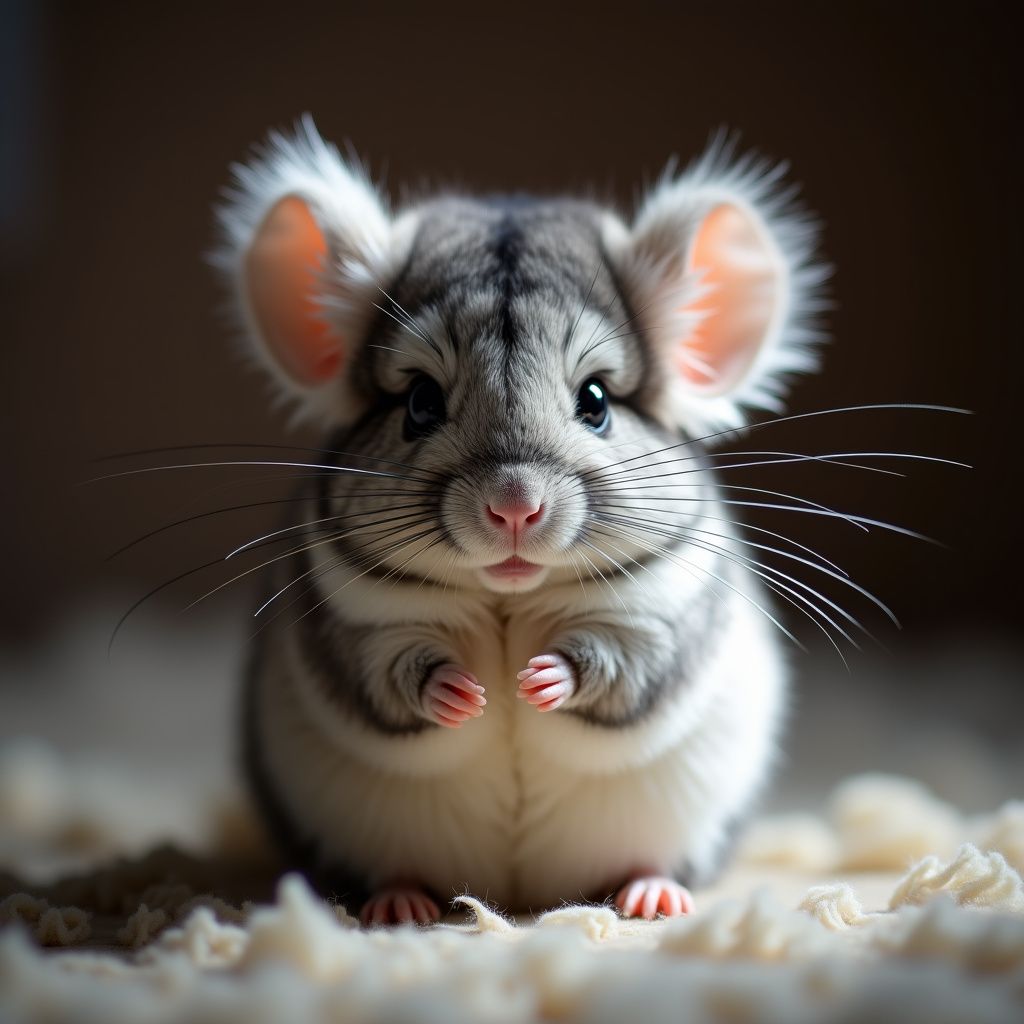
Introduction to Moving with Chinchillas
Relocating to a new home can be an exciting yet stressful experience, and for chinchilla owners, ensuring the safety and comfort of these sensitive pets during the move is a top priority. Chinchillas are delicate animals with specific environmental needs, and sudden changes can cause stress or health issues. Their ideal temperature range is 60-70°F (15-21°C), and they are highly susceptible to heat stress above 75°F (24°C). Moving requires careful planning to maintain their routine, minimize stress, and keep their environment stable. This article provides practical advice to help chinchilla owners navigate the challenges of moving and relocation with their furry companions.
Preparing for the Move
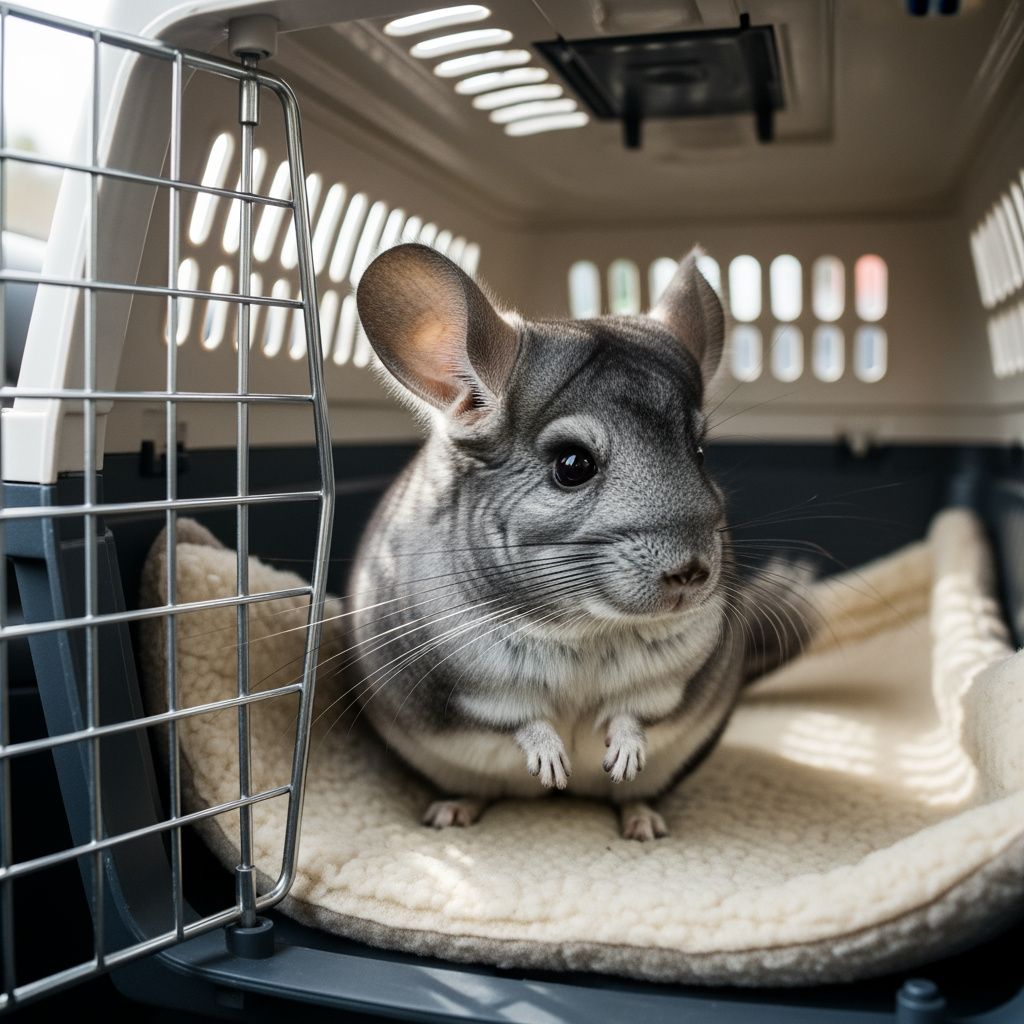
Preparation is key to a smooth transition for your chinchilla. Start by gathering all necessary supplies at least a week in advance. You'll need a secure, well-ventilated travel carrier that’s small enough to keep your chinchilla contained but large enough for them to move a little—aim for a carrier about 12x12x12 inches for a single chinchilla. Line it with familiar bedding to provide comfort and reduce stress. Pack essentials like hay, pellets, a water bottle, and a small amount of their usual dust bath material in an easily accessible bag.
Avoid drastic changes to their diet or routine in the weeks leading up to the move, as consistency helps reduce anxiety. If possible, visit a veterinarian before moving to ensure your chinchilla is healthy and to address any travel-related concerns. Additionally, research the climate of your new location. Chinchillas cannot tolerate humidity above 50% or high temperatures, so plan how to maintain a cool, dry environment during and after the move.
Transporting Your Chinchilla
The actual move is often the most stressful part for chinchillas, so take steps to make the journey as calm as possible. If traveling by car, place the carrier in a shaded, secure spot away from direct sunlight or air conditioning vents. Keep the car temperature between 60-70°F (15-21°C) and avoid sudden stops or loud noises. Never leave your chinchilla unattended in a vehicle, as temperatures can rise dangerously fast—reaching over 100°F (38°C) in just 10 minutes on a warm day.
For air travel, check airline policies well in advance, as many have strict rules about small pets. Chinchillas are not suited for cargo holds due to temperature fluctuations and stress, so opt for in-cabin travel if permitted. Use a carrier that meets airline size requirements, typically under 9 inches in height for under-seat storage. Attach a small water bottle to the carrier and offer hay for chewing to keep them occupied. Speak softly to reassure them during the journey.
Setting Up in the New Home
Once you arrive, prioritize setting up your chinchilla’s space before unpacking other items. Choose a quiet, low-traffic area for their cage, away from windows, heaters, or humid spots like bathrooms. Reassemble their familiar cage setup with the same bedding, toys, and hideouts to provide a sense of security. Maintain the same feeding and playtime schedule to help them adjust.
Monitor your chinchilla closely for the first few days. Signs of stress include reduced appetite, lethargy, or excessive hiding. If these persist beyond 3-5 days, consult a vet. Gradually introduce them to the new space by allowing short, supervised exploration outside the cage once they seem settled. Avoid loud noises or sudden changes during this adjustment period.
Additional Tips for a Stress-Free Move
- Timing Matters: Move during cooler parts of the day, like early morning or evening, to avoid heat stress.
- Emergency Kit: Pack a small kit with a thermometer, extra bedding, and contact info for a local exotic vet at your new location.
- Labeling: Clearly label the carrier with “Live Animal” and your contact information in case of separation during travel.
- Acclimation: If moving to a different climate, gradually adjust their environment over a week by using fans or dehumidifiers as needed.