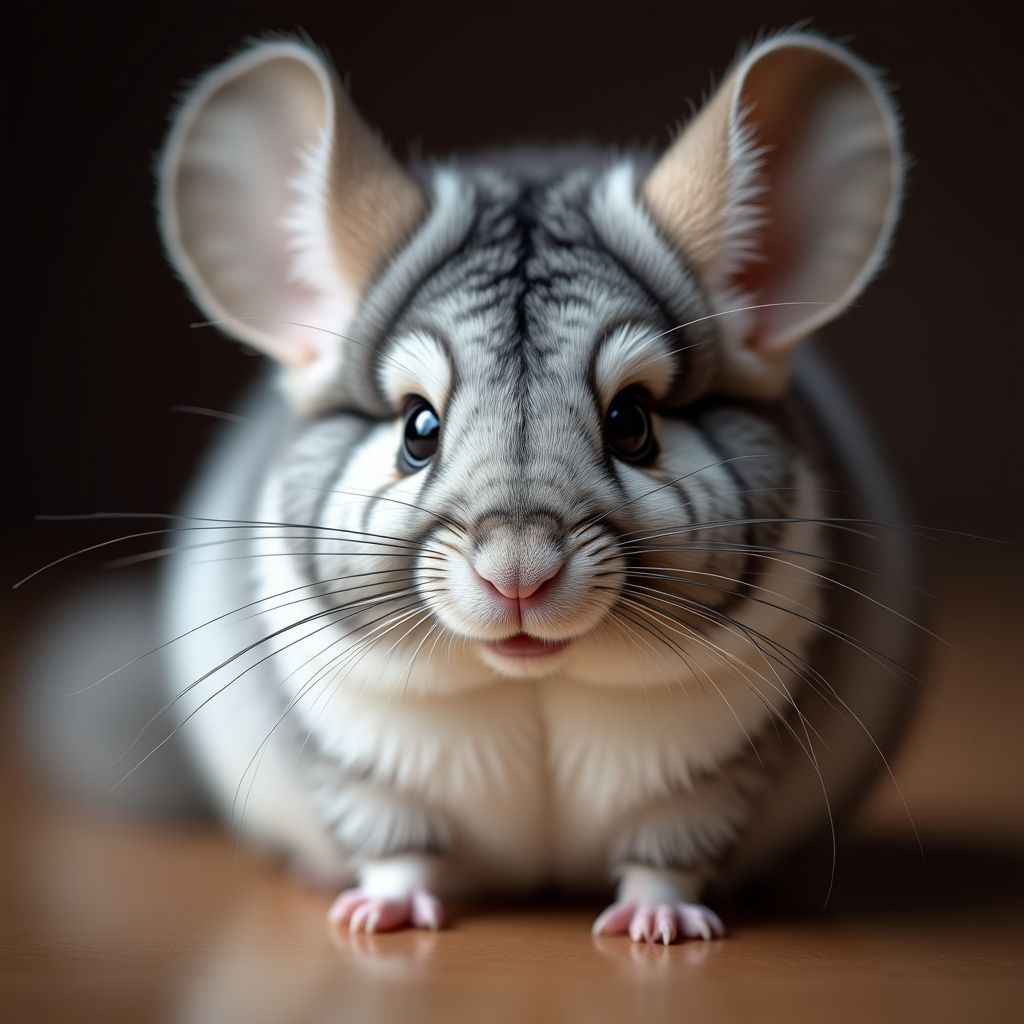

Introduction to Bedding & Substrate for Chinchillas
Welcome, chinchilla owners! Providing a comfortable and safe environment for your fluffy friend is crucial for their health and happiness. One of the key components of their housing setup is the bedding or substrate that lines the bottom of their cage. This material not only absorbs waste but also offers a soft surface for your chinchilla to rest and play. However, not all bedding options are safe or suitable for chinchillas due to their sensitive respiratory systems and unique needs. In this article, we’ll explore the best bedding choices, what to avoid, and practical tips to keep your chinchilla cozy and healthy.
Why Bedding Matters for Chinchillas
Chinchillas are delicate animals with dense fur and a low tolerance for moisture, which means their bedding must be highly absorbent to keep their environment dry. Wet or damp bedding can lead to skin irritations or fungal infections. Additionally, chinchillas love to burrow and nest, so the right substrate can mimic their natural habitat and provide mental stimulation. Poor bedding choices can also lead to respiratory issues since chinchillas are prone to breathing problems if exposed to dusty or aromatic materials. Choosing the right bedding is about balancing comfort, cleanliness, and safety.
Safe Bedding Options for Chinchillas
When selecting bedding, prioritize materials that are dust-free, absorbent, and non-toxic. Here are some of the best options:
- Aspen Wood Shavings: Aspen is a popular choice because it’s low in dust and free of harmful aromatic oils found in other woods like pine or cedar. It’s soft, absorbent, and safe for chinchillas to chew on. Look for kiln-dried aspen to ensure it’s free of mold or bacteria.
- Paper-Based Bedding: Products like Carefresh or Yesterday’s News are made from recycled paper and are excellent for absorbency and odor control. They’re virtually dust-free, making them ideal for chinchillas with respiratory sensitivities. They can be a bit pricier, but they’re worth it for the health benefits.
- Fleece Liners: Fleece is a reusable option that’s soft and cozy. It doesn’t absorb liquids as well as shavings or paper, so you’ll need to layer it over an absorbent material or change it frequently. Many owners cut fleece to fit the cage base and wash it weekly. It’s eco-friendly and can save money over time.
Bedding to Avoid
Not all bedding materials are safe for chinchillas, and using the wrong type can lead to serious health issues. Avoid the following:
- Pine or Cedar Shavings: These contain phenols, natural oils that can irritate a chinchilla’s respiratory system and even cause liver damage over time. Studies have shown that prolonged exposure to these woods can be toxic to small animals.
- Straw or Hay: While hay is great as food, it’s not absorbent enough as bedding and can become moldy if wet, posing a risk of respiratory infections.
- Cat Litter or Clay-Based Products: These are too dusty and can clump if ingested, leading to digestive blockages. Chinchillas may also try to bathe in it, which is unsafe.
Practical Tips for Managing Bedding
Maintaining your chinchilla’s bedding doesn’t have to be a chore. Here are some actionable tips to make the process easier:
- Use a Litter Tray: Train your chinchilla to use a small litter tray with bedding in one corner of the cage. This concentrates waste in one area, making spot-cleaning quicker and reducing the need for full bedding changes.
- Monitor for Dampness: Check the bedding daily for wet spots, especially under water bottles, as chinchillas can develop fur rot if they sit in damp areas. Replace soggy bedding immediately.
- Store Bedding Properly: Keep bedding in a dry, sealed container to prevent mold or pest contamination. Don’t buy in bulk unless you can store it properly, as moisture can ruin it.
- Watch for Allergies: If your chinchilla starts sneezing or shows signs of discomfort, switch bedding types to rule out sensitivities. Consult a vet if symptoms persist.
Conclusion
Choosing the right bedding and substrate for your chinchilla is a small but significant way to ensure their well-being. Stick to safe options like aspen shavings, paper-based bedding, or fleece liners, and steer clear of harmful materials like pine or cedar. With a little attention to cleanliness and your pet’s behavior, you can create a comfy, healthy space for your chinchilla to thrive. Remember, a happy chinchilla is one with a dry, cozy home—so take the time to get their bedding just right!