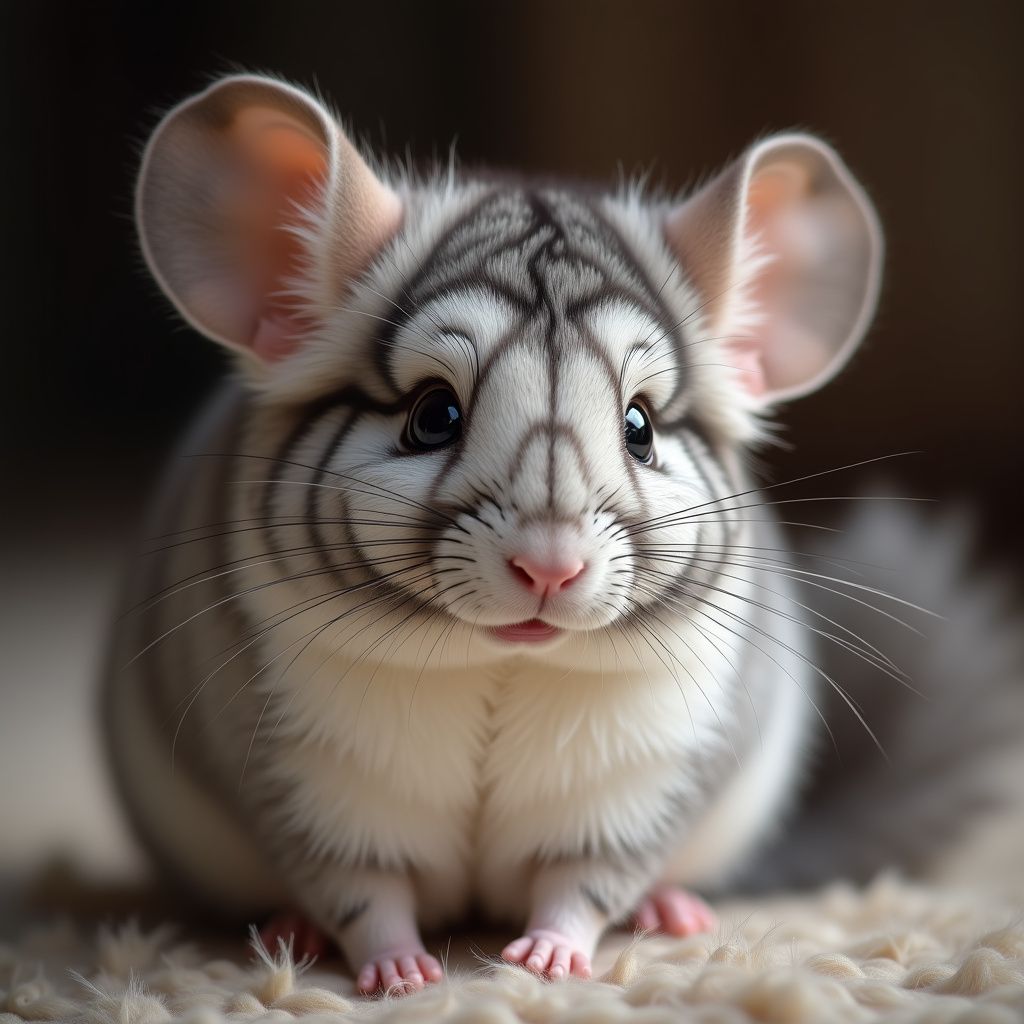
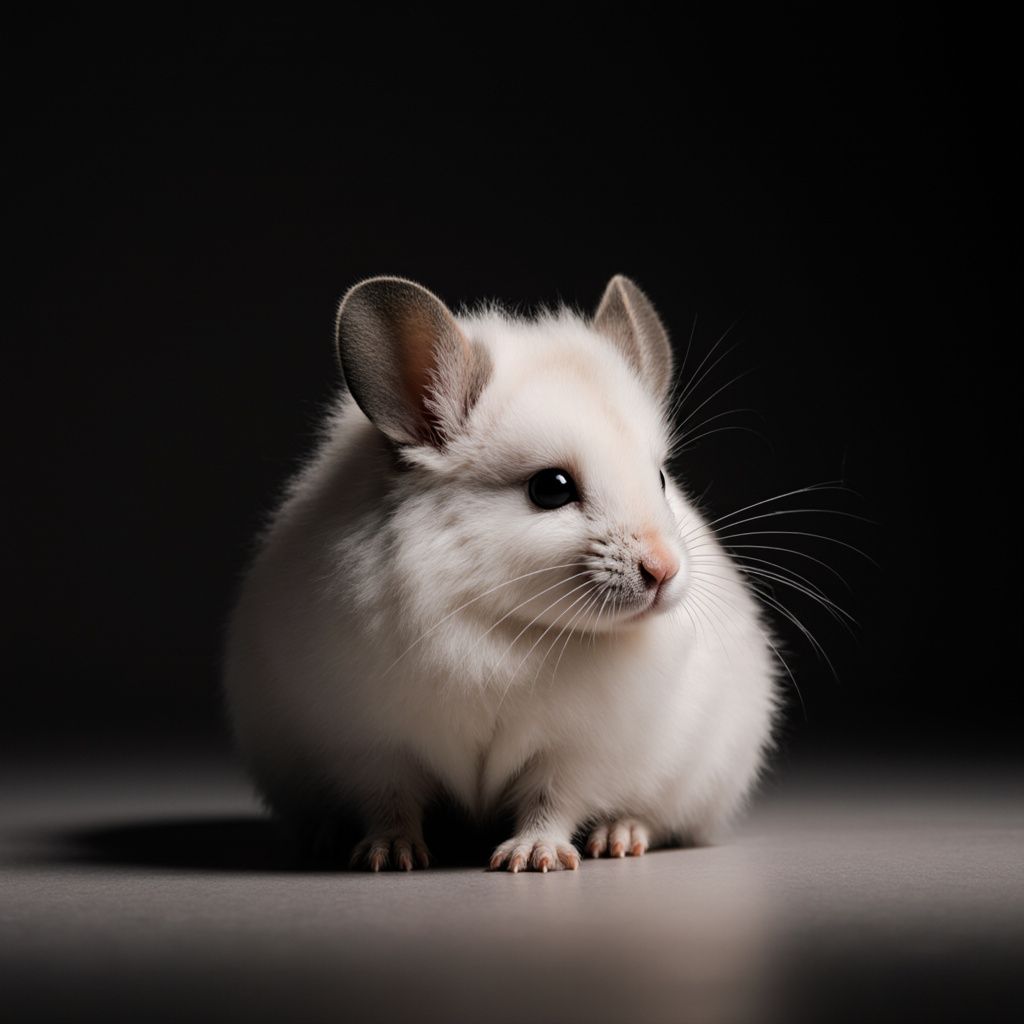
Comprenent el Cor i el Sistema Cardiovascular de la Xinxilla
Com a propietari d’una xinxilla, comprendre el cor i el sistema cardiovascular del teu mascota és crucial per assegurar la seva salut i felicitat a llarg termini. Les xinxilles, com tots els petits mamífers, tenen una fisiologia única que requereix cures específiques. El seu cor i els vasos sanguinis treballen sense descans per subministrar oxigen i nutrients a tot el seu petit cos, donant suport als seus alts nivells d’energia i estils de vida actius. Anem a explorar els bàsics del seu sistema cardiovascular i com pots ajudar a mantenir-lo en perfectes condicions.
Com Funciona el Cor de la Xinxilla
El cor d’una xinxilla és un òrgan petit però potent, que sol pesar menys d’un gram i batega a una velocitat impressionant de 200-300 batecs per minut en repòs. Aquest ritme cardíac ràpid és normal per als petits rosegadors i reflecteix el seu alt metabolisme. El sistema cardiovascular inclou el cor, els vasos sanguinis i la sang, que junts circulen l’oxigen, eliminen residus i regulen la temperatura corporal. A causa de la seva mida petita i el ritme cardíac ràpid, les xinxilles són més susceptibles a problemes cardíacs relacionats amb l’estrès, per la qual cosa mantenir un ambient tranquil és essencial.
A diferència dels animals més grans, les xinxilles no tenen gaire reserva de greix per protegir els seus òrgans, cosa que fa que el seu cor sigui més vulnerable a canvis sobtats de temperatura o estrès físic. Els seus vasos sanguinis també són delicats, cosa que significa que qualsevol lesió o problema de salut pot escalar ràpidament si no s’aborda.
Problemes Comuns de Salut Cardiovascular
Encara que les xinxilles són generalment resistents, poden desenvolupar problemes cardíacs i cardiovasculars, especialment a mesura que envelleixen. Alguns problemes comuns inclouen:
- Sopars Cardíacs: Són sons cardíacs anormals que sovint detecta un veterinari durant una revisió. Poden indicar un problema subjacent com un defecte de vàlvula.
- Cardiomiopatia: És una malaltia del múscul cardíac que pot provocar una circulació deficient i letargia. Sovint està lligada a una dieta deficient o factors genètics.
- Hipertensió: Encara que menys comuna, la pressió arterial alta pot sobrecarregar el cor d’una xinxilla, de vegades causada per estrès o obesitat.
Consells per Donar Suport a la Salut Cardiovascular
Per sort, hi ha diversos passos pràctics que pots prendre per donar suport a la salut cardíaca de la teva xinxilla i prevenir problemes:
- Proporciona una Dieta Equilibrada: Una dieta rica en farratge d’alta qualitat (com el farratge de timothy) i pèllets limitats ajuda a mantenir un pes saludable. Evita dolços o aliments grassos, ja que l’obesitat pot sobrecarregar el cor. Assegura’t que sempre tinguin aigua fresca disponible per mantenir-los hidratats, cosa que afavoreix un flux sanguini adequat.
- Minimitza l’Estrès: Les xinxilles són sensibles a sorolls forts, moviments sobtats i aglomeracions. Col·loca la seva gàbia en una zona tranquil·la i de poc trànsit de casa teva, i manipula-les amb suavitat per evitar estrès innecessari al seu cor.
- Fomenta l’Exercici: L’activitat regular és vital per a la salut cardiovascular. Proporciona una gàbia espaiosa (almenys 90 cm d’altura i amplada) amb plataformes i una roda d’exercici segura (superfície sòlida, no de filferro, per prevenir lesions). Permet temps de joc supervisat fora de la gàbia diàriament per mantenir el seu cor bategant de manera saludable.
- Mantén una Temperatura Adequada: Les xinxilles prosperen en ambients frescos (15-21°C). La sobreescalfada pot estrressar el seu sistema cardiovascular, així que evita col·locar la seva gàbia a prop de fonts de calor o a la llum solar directa. Utilitza un ventilador o aire condicionat durant el temps calorós si cal.
- Programa Revisons Veterinàries Regulars: Les revisiones anuals amb un veterinari especialista en animals exòtics poden detectar signes primerencs de problemes cardíacs. Els veterinari poden utilitzar un estetoscopi per escoltar sopars o recomanar imatges si hi ha preocupació.
Quan Buscar Atenció Veterinària
Si la teva xinxilla mostra signes de malestar —com dificultat per respirar, col·lapse sobtat o una caiguda notable en l’activitat— no esperis per buscar ajuda. Els problemes cardiovasculars poden progressar ràpidament en animals petits. Tingues a mà la informació de contacte d’un veterinari especialista en animals exòtics proper, ja que els veterinari de petits animals regulars poden no tenir l’expertesa per tractar xinxilles de manera efectiva.
Amb una actitud proactiva i atenta, pots ajudar a assegurar que el cor de la teva xinxilla es mantingui fort i saludable durant anys. Una mica de cura fa molt per donar suport a aquests companys adorables i enérgics!