Understanding Chinchilla Fur & Skin Health
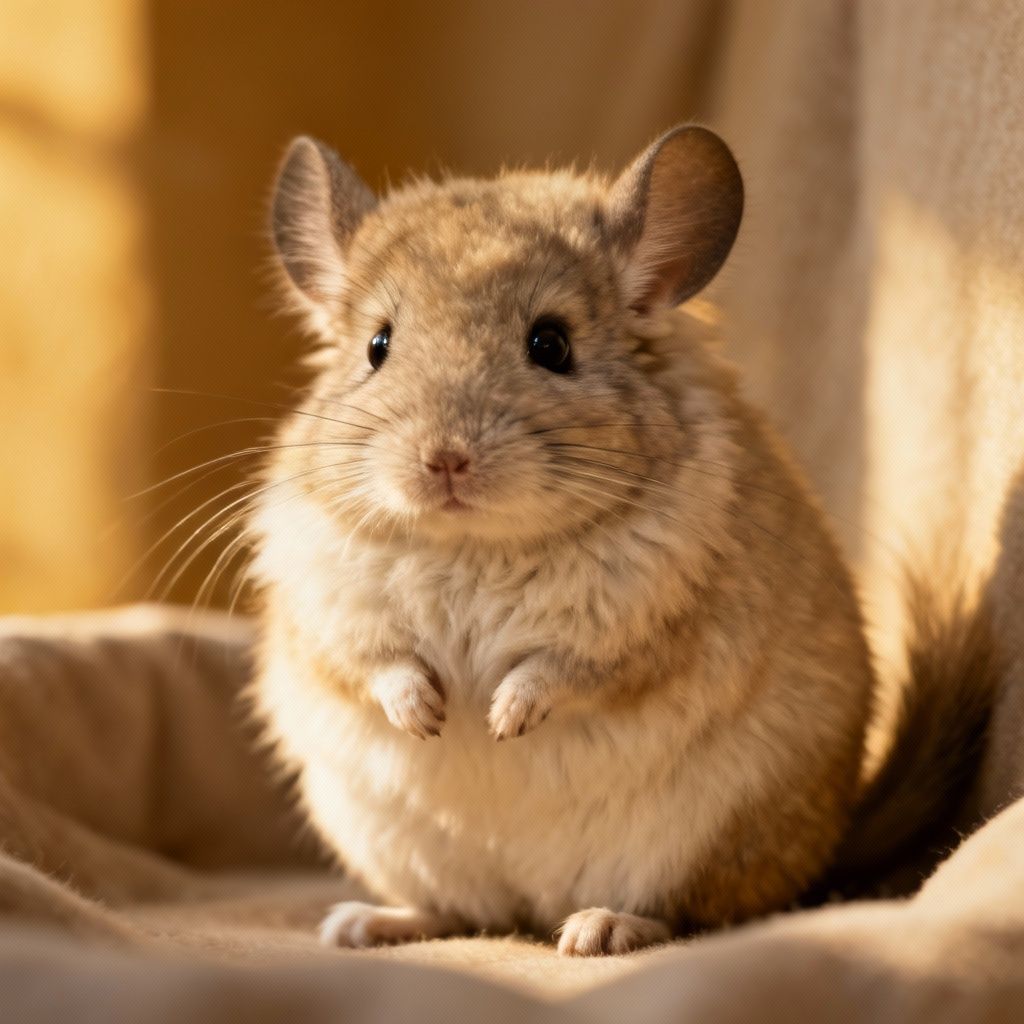
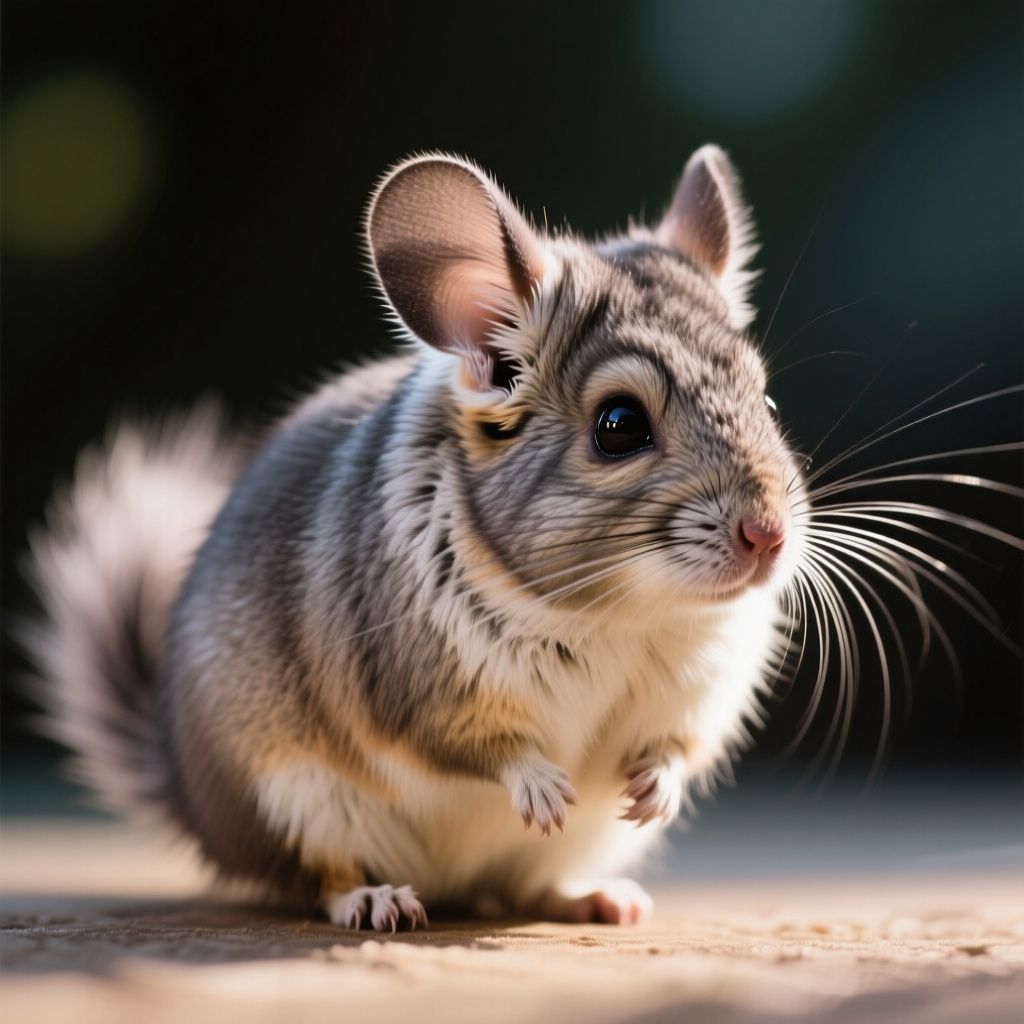
Chinchillas are beloved for their incredibly soft, dense fur, which is one of the softest in the animal kingdom with up to 80 hairs growing from a single follicle. However, this luxurious coat and sensitive skin require special care to keep your pet healthy and comfortable. Fur and skin health are vital indicators of a chinchilla’s overall well-being, as issues in these areas can signal underlying problems like stress, poor diet, or environmental concerns. As a chinchilla owner, understanding how to maintain their coat and skin can prevent discomfort and ensure your pet thrives.
Why Fur & Skin Health Matters
A chinchilla’s fur isn’t just for looks—it serves as insulation and protection. Healthy fur should be thick, shiny, and free of bald patches or matting. Their skin, meanwhile, is delicate and prone to irritation if not properly cared for. Issues like fur loss, dryness, or fungal infections can arise from improper humidity, inadequate grooming, or nutritional deficiencies. Left unchecked, these problems can lead to stress or more serious health conditions. By prioritizing fur and skin care, you’re helping your chinchilla feel secure and comfortable in their environment.
Common Fur & Skin Issues
Several conditions can affect a chinchilla’s fur and skin, and recognizing the signs early is key. Fur slip, a stress response where patches of fur fall out, often occurs during rough handling or sudden fright. Dry, flaky skin may indicate low humidity or a lack of essential fatty acids in their diet. Fungal infections, such as ringworm, can cause hair loss and scaly patches, often due to damp or dirty living conditions. Additionally, fur chewing—where a chinchilla bites at their own coat—can signal boredom, stress, or pain, resulting in uneven or patchy fur. If you notice any of these issues, consult a vet specializing in exotic pets for a proper diagnosis and treatment.
Practical Tips for Maintaining Healthy Fur & Skin
Thankfully, with the right care, most fur and skin problems can be prevented. Here are some actionable tips for chinchilla owners:
- Provide Dust Baths Regularly: Chinchillas clean their fur by rolling in special chinchilla dust, which absorbs excess oils and keeps their coat fluffy. Offer a dust bath 2-3 times a week for about 10-15 minutes, using a shallow container with 1-2 inches of dust. Avoid over-bathing, as it can dry out their skin.
- Maintain Proper Humidity: Chinchillas thrive in dry environments with humidity levels between 30-50%. High humidity can lead to fungal growth and skin irritation. Use a dehumidifier if needed, especially in damp climates.
- Ensure a Balanced Diet: A diet rich in high-quality hay, pellets, and occasional treats supports skin health. Look for pellets with added omega-3 fatty acids to promote a shiny coat. Avoid sugary or fatty foods that can disrupt their system.
- Keep Their Cage Clean: Dirty bedding can harbor bacteria or fungi, irritating their skin. Clean their cage weekly, using safe, dust-free bedding like aspen shavings, and spot-clean daily to remove waste.
- Minimize Stress: Handle your chinchilla gently and provide a quiet, secure environment with hiding spots. Stress can trigger fur slip or chewing, so monitor their behavior for signs of anxiety.
- Check for Parasites: Fleas or mites are rare in chinchillas but can cause itching and hair loss. Inspect their fur regularly, and consult a vet if you notice excessive scratching.
When to Seek Veterinary Help
While prevention is key, some issues require professional attention. If your chinchilla shows persistent fur loss, red or scaly skin, or signs of infection like oozing or swelling, don’t delay in seeking help. A vet can perform tests to identify fungal infections or nutritional imbalances and prescribe safe treatments. Remember, chinchillas are small and can hide illness well, so early intervention is crucial.
Final Thoughts
Caring for your chinchilla’s fur and skin is an essential part of responsible pet ownership. With regular dust baths, a clean habitat, proper nutrition, and a stress-free environment, you can help your chinchilla maintain their signature fluffy coat and healthy skin. Stay observant, address issues promptly, and enjoy the rewarding bond with your soft, cuddly companion!