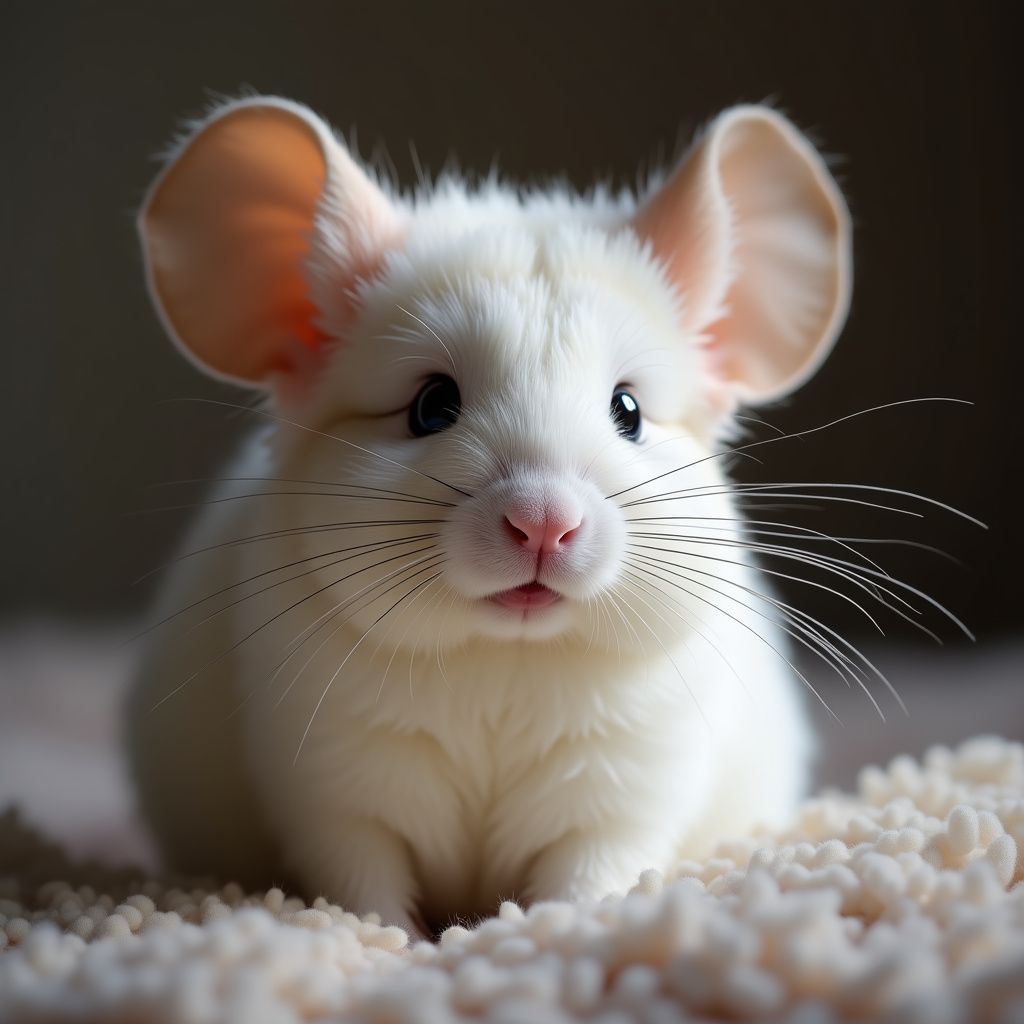
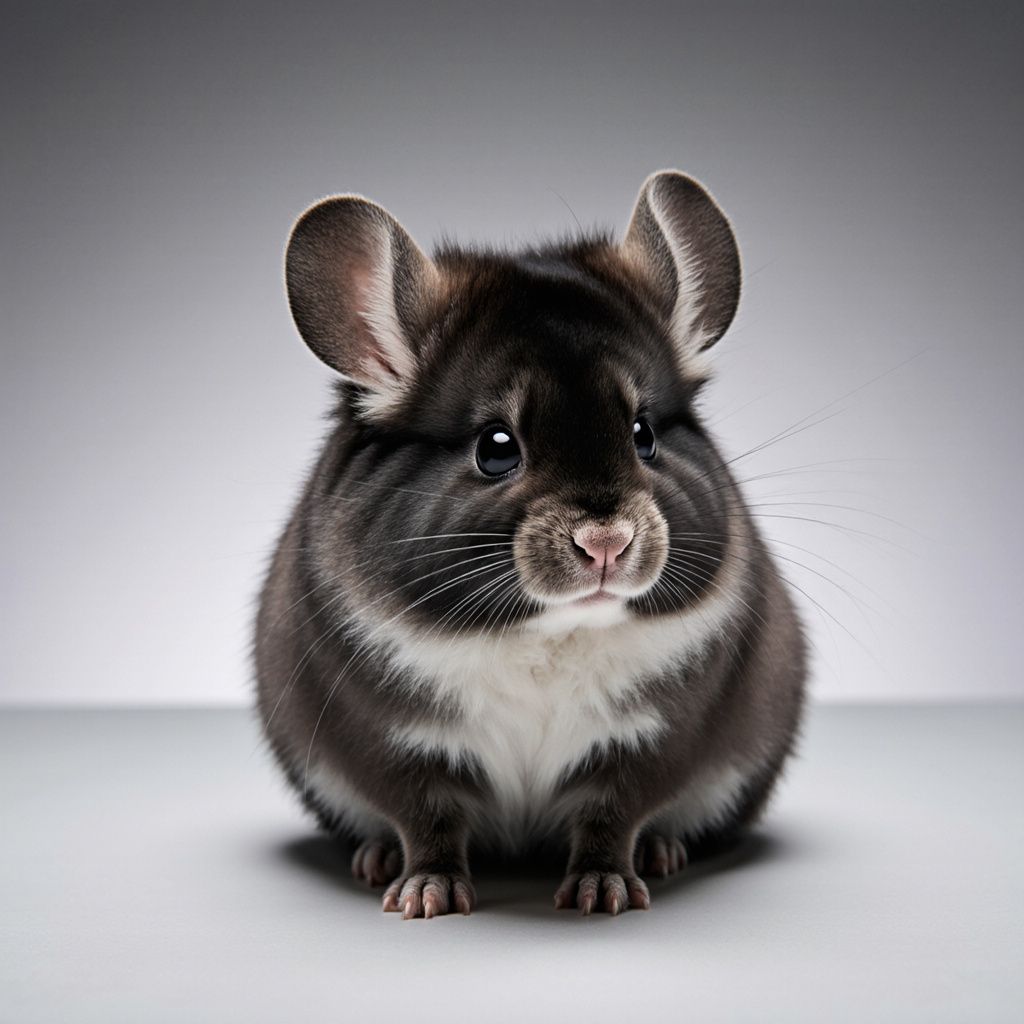
Introduction to Choking & Dental Emergencies in Chinchillas
Chinchillas are delightful, small rodents known for their soft fur and curious nature, but they can face serious health issues like choking and dental emergencies. These conditions require immediate attention as they can be life-threatening if not addressed promptly. As a chinchilla owner, understanding the signs, causes, and prevention strategies for these emergencies can make a significant difference in your pet’s well-being. This article provides a detailed guide to help you recognize, respond to, and prevent choking and dental problems in your chinchilla.
Understanding Choking in Chinchillas
Choking is a rare but critical emergency in chinchillas, often caused by swallowing inappropriate items or food that is too large or improperly chewed. Chinchillas have small airways, making even minor obstructions dangerous. Common culprits include large pieces of hay, treats, or small objects they might chew on, like plastic or fabric from toys.
Signs of choking include difficulty breathing, wheezing, pawing at the mouth, or sudden lethargy. If you notice these symptoms, act quickly but calmly. First, check your chinchilla’s mouth for visible obstructions, but avoid forcing your fingers inside as this could push the object deeper. If the blockage is not visible or removable, rush your pet to an exotic animal veterinarian immediately. Do not attempt to perform the Heimlich maneuver on a chinchilla, as their delicate skeletal structure can be easily injured.
Prevention is key to avoiding choking hazards. Always cut treats into tiny pieces (no larger than 1/4 inch) and ensure hay is free of thick, woody stems that could be difficult to chew. Remove any small, chewable objects from their environment, and supervise playtime outside the cage to prevent access to dangerous items.
Dental Emergencies in Chinchillas
Dental issues are far more common in chinchillas than choking and can lead to severe pain, malnutrition, and infections if untreated. Chinchillas’ teeth grow continuously—up to 2-3 inches per year—and must be worn down naturally through chewing on hay and safe wooden toys. Malocclusion (misaligned teeth) or overgrown teeth can occur due to poor diet, lack of chewables, or genetic factors, affecting up to 30% of pet chinchillas according to veterinary studies.
Symptoms of dental problems include drooling, reduced appetite, weight loss, difficulty chewing, or visible tooth overgrowth. You might also notice your chinchilla favoring softer foods or dropping food from its mouth. If you observe these signs, schedule a vet visit immediately. A qualified exotic vet can trim overgrown teeth or address underlying issues, often under sedation to minimize stress.
To prevent dental emergencies, provide unlimited access to high-quality timothy hay, which is essential for natural tooth wear. Offer safe chew toys like applewood sticks or pumice stones, avoiding plastic or soft materials that won’t help grind teeth. Regularly inspect your chinchilla’s front teeth for overgrowth or uneven wear—normal incisors should be about 1-2 mm long and meet evenly. A diet low in sugary treats and high in fiber (at least 15-20% fiber content in pellets) also supports dental health.
When to Seek Veterinary Help
Both choking and dental issues can escalate quickly, so knowing when to seek professional help is crucial. If your chinchilla shows persistent breathing difficulties, refuses food for more than 24 hours, or exhibits signs of pain (hunched posture, teeth grinding), contact a vet right away. Exotic animal veterinarians are best equipped to handle chinchilla emergencies, as they understand the unique anatomy and needs of these small pets. Keep an emergency vet’s contact information handy, and familiarize yourself with their after-hours policies.
Final Tips for Chinchilla Owners
Being proactive is the best way to protect your chinchilla from choking and dental emergencies. Regularly inspect their cage for hazards, maintain a proper diet with plenty of hay, and monitor their behavior for any changes. Building a relationship with a trusted vet ensures you have support when emergencies arise. With attentive care, you can help your chinchilla live a long, healthy life—often up to 10-15 years with the right precautions. Stay informed, stay prepared, and enjoy the companionship of your fluffy friend!