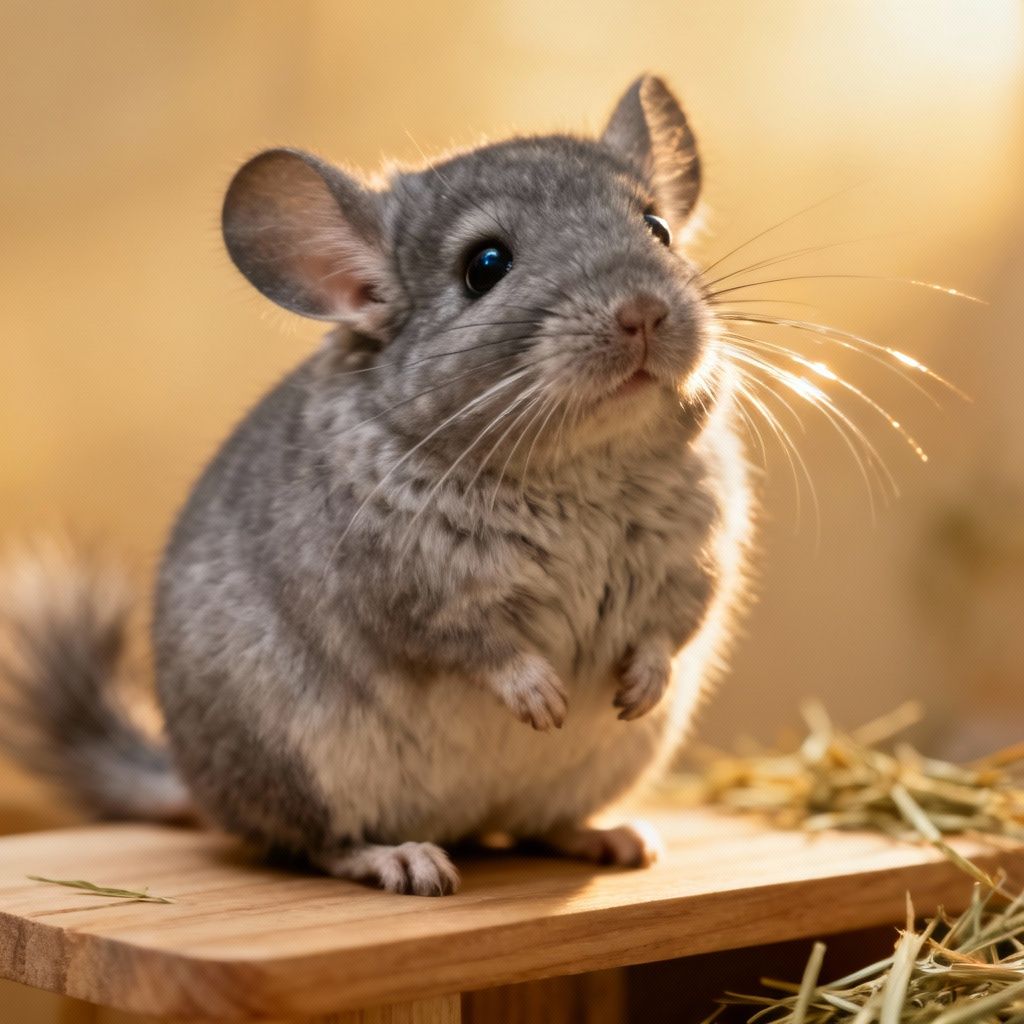
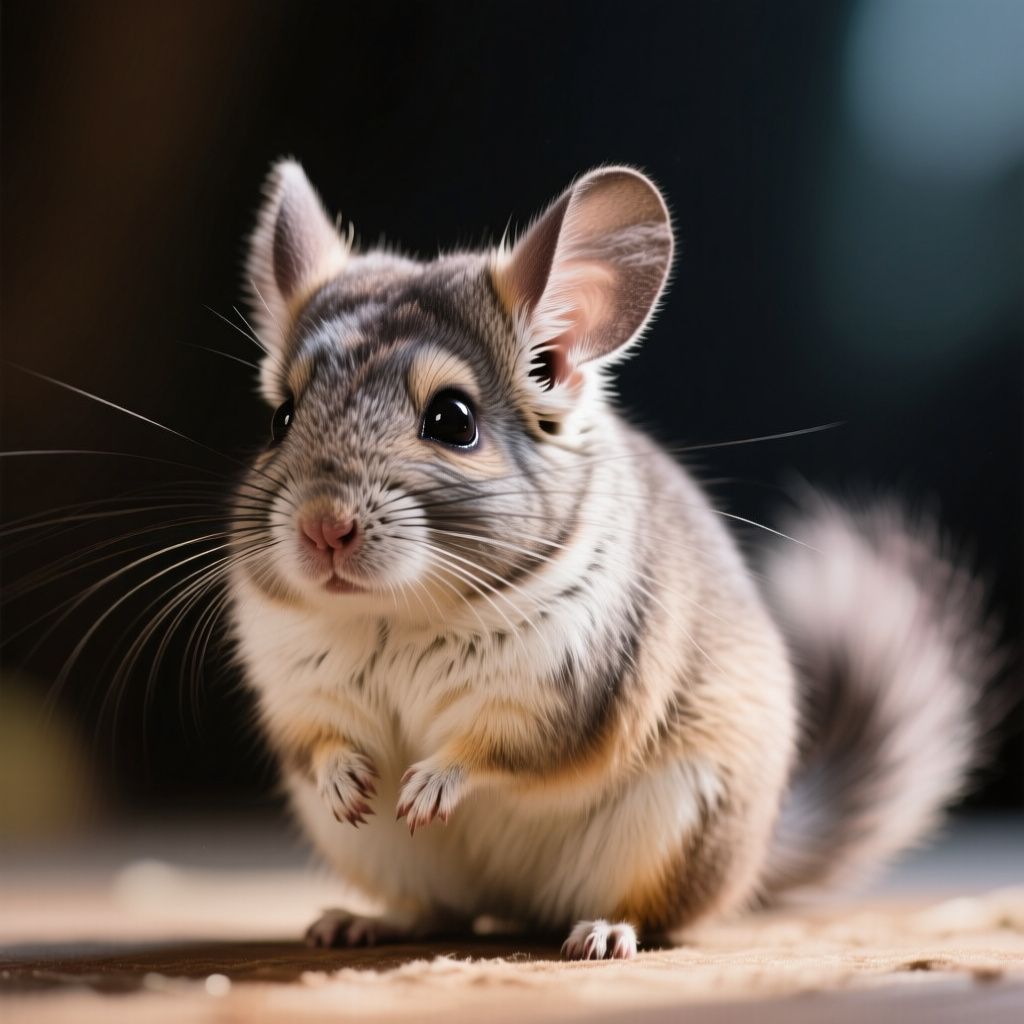
చించిల్లాలకు దాచుకోవడాలు & ప్రోత్సాహకరణకు పరిచయం
చించిల్లాలు చురుకుగా, ఆసక్తికరంగా, మరియు తెలివిగా ఉండే రోడెంట్లు, అవి బందీలో ఉండటానికి ఉత్తేజకరమైన పరిస్థితిని అవసరం చేస్తాయి. పెంపుడు జంతువుల యజమానులుగా, దాచుకోవడాలు మరియు ప్రోత్సాహకరణ అందించడం వాటి శారీరక మరియు మానసిక సంక్షేమానికి అత్యవసరం. కలిసిపోయిన ప్రదేశాల్లో, చించిల్లాలు దక్షిణ అమెరికాలోని రాళ్లు, పర్వతాల ప్రాంతాల్లో నివసిస్తాయి, అక్కడ అవి శత్రువుల నుండి సురక్షితంగా ఉండటానికి రంధ్రాలు మరియు గుండ్రల్లో దాకుతాయి. వాటి ఇంటి పరిస్థితుల్లో ఈ సహజ పరిస్థితులను అనుకరించడం స్ట్రెస్ను తగ్గించడానికి మరియు సహజ ప్రవర్తనలను ప్రోత్సహించడానికి సహాయపడుతుంది. ప్రోత్సాహకరణ, మరోవైపు, వాటిని నిమగ్నంగా ఉంచుతుంది, బోర్కొట్టకుండా చూస్తుంది, మరియు వ్యాయామాన్ని ప్రోత్సహిస్తుంది. ఈ ఆర్టికల్ మీ చించిల్లాకు సంతోషకరమైన, ఆరోగ్యకరమైన ఇల్లును సృష్టించడానికి దాచుకోవడాలు మరియు ప్రోత్సాహకరణ యొక్క ప్రాముఖ్యత గురించి మరియు ఆచరణాత్మక చిట్కాల గురించి మార్గదర్శకంగా ఉంటుంది.
దాచుకోవడాలు ఎందుకు ముఖ్యం
దాచుకోవడాలు చించిల్లాలకు అపరిహార్యం, ఎందుకంటే అవి సురక్షిత భావాన్ని మరియు అధిక ఒత్తిడి ఎదుర్కొన్నప్పుడు తిరిగి వెళ్లడానికి స్థలాన్ని అందిస్తాయి. సురక్షిత స్థలం లేకపోతే, చించిల్లాలు స్ట్రెస్గా మారవచ్చు, ఇది ఫర్ చివ్వడం లేదా ఆకలి తగ్గడం వంటి ఆరోగ్య సమస్యలకు దారితీయవచ్చు. మంచి దాచుకోవడం కలిసిపోయిన ప్రదేశాల్లో అవి ఉపయోగించుకునే గుండ్రలను అనుకరిస్తుంది, చీకటి మరియు గోప్యతను అందిస్తుంది.
దాచుకోవడాన్ని ఎంచుకోవడంలో లేదా తయారు చేయడంలో, చించిల్లాలు చప్పరించే సురక్షిత మెటీరియల్స్ను ఎంచుకోండి, ఎందుకంటే అవి దానిపై చప్పరించే అవకాశం ఉంది. అప్పిల్, విలో, లేదా కిల్న్-డ్రైడ్ పైన్ వంటి చికిత్స � نکరించని, చించిల్లా-సేఫ్ వుడ్స్తో తయారైన వుడెన్ దాచుకోవడాలు అద్భుతమైన ఎంపికలు. ప్లాస్టిక్ దాచుకోవడాలను నివారించండి, ఎందుకంటే అవి షార్ప్ షెడ్లుగా చప్పరించబడి మింగడం లేదా గాయపడటానికి ప్రమాదం కలిగిస్తాయి. దాచుకోవడం మీ చించిల్లా సౌకర్యవంతంగా తిరగడానికి సరిపడా పెద్దదిగా ఉండాలి కానీ సురక్షితంగా ఉండటానికి సన్ననిగా ఉండాలి—సాధారణంగా, పెద్ద చించిల్లాకు సుమారు 8-10 అంగుళాల పొడవు మరియు 5-6 అంగుళాల ఎత్తు స్థలం బాగా పనిచేస్తుంది. దాచుకోవడాన్ని కేజ్లో షాంట్ కార్నర్లో ఉంచండి, హై-ట్రాఫిక్ ప్రదేశాలకు దూరంగా, మీ పెంపుడు జంతువుకు శాంతియుత తిరిగి స్థలాన్ని ఇవ్వడానికి.
ప్రోత్సాహకరణ యొక్క ప్రాముఖ్యత
ప్రోత్సాహకరణ మీ చించిల్లాను మానసికంగా ఉత్తేజపరచడం మరియు శారీరకంగా చురుకుగా ఉంచడం గురించి. కలిసిపోయిన ప్రదేశాల్లో, చించిల్లాలు తమ సమయాన్ని ఆహారం వెతకడం, అన్వేషించడం, మరియు రాక్ల అంతటా దూకడంలో గడుపుతాయి. ప్రోత్సాహకరణ లేకపోతే, అవి బోర్ కొట్టి, విధ్వంసకర ప్రవర్తనలు లేదా అలసటకు దారితీయవచ్చు. బాగా ప్రోత్సాహకరించబడిన పరిస్థితి వ్యాయామాన్ని ప్రోత్సహిస్తుంది, ఇది అత్యంత ముఖ్యం ఎందుకంటే చించిల్లాలు ఆరోగ్యకరమైన బరువును (పెద్దలు సాధారణంగా 400-600 గ్రాములు) నిర్వహించడానికి శక్తిని రగిలించాలి.
టాయ్స్ మరియు కార్యకలాపాలు ప్రోత్సాహకరణకు కీలకం. వాటి నిరంతరంగా పెరిగే దంతాలను రుద్దడానికి సురక్షిత వుడ్స్ లేదా pumice stones తో చేసిన చప్పరించే టాయ్స్ను అందించండి. విషయాలను ఆసక్తికరంగా ఉంచడానికి ప్రతి కొన్ని వారాలకు టాయ్స్ను రొటేట్ చేయండి. వాటి కేజ్లో వివిధ ఎత్తులో లెడ్జెస్ లేదా ప్లాట్ఫారమ్లను జోడించడం దూకడం మరియు ఎక్కడాన్ని ప్రోత్సహిస్తుంది—చించిల్లాలు 6 అడుగుల వర్టికల్గా దూకగలవు! ప్లాట్ఫారమ్లు సురక్షితంగా ఉండాలని మరియు సురక్షిత మెటీరియల్స్తో తయారు చేయబడాలని నిర్ధారించండి. మీరు వివిధ స్థలాల్లో ఒకే రైసిన్ వంటి చిన్న ట్రీట్లను (సుగర్ కంటెంట్ కారణంగా వారానికి 1-2 కంటే ఎక్కువ కాకుండా) దాచవచ్చు, ఆహారం వెతకడాన్ని ప్రోత్సహించడానికి.
దాచుకోవడాలు & ప్రోత్సాహకరణకు ఆచరణాత్మక చిట్కాలు
మీ చించిల్లా పరిస్థితిని మెరుగుపరచడానికి కొన్ని చర్యాత్మక ఆలోచనలు ఇక్కడ ఉన్నాయి:
- DIY దాచుకోవడాలు: కట్-అవుట్ ఎంట్రన్స్లతో కార్డ్బోర్డ్ బాక్స్ ఉపయోగించి సరళ దాచుకోవడాన్ని సృష్టించండి. అవి చప్పరించి పాతుకునేందుకు తరచుగా రీప్లేస్ చేయండి, మరియు టేప్ లేదా గ్లూ లేకుండా నిర్ధారించండి.
- మల్టిపుల్ లెవెల్స్: కేజ్లో షెల్ఫ్లు లేదా హ్యామాక్లను ఇన్స్టాల్ చేయండి, మల్టి-లెవెల్ ప్లేగ్రౌండ్ను సృష్టించడానికి. సురక్షిత దూకడానికి 6-12 అంగుళాలు దూరంగా స్పేస్ చేయండి.
- డస్ట్ బాత్లు ప్రోత్సాహకరణగా: చించిల్లాలు డస్ట్ బాత్లను ఇష్టపడతాయి, ఇవి వాటి కోట్ ఆరోగ్యానికి అత్యవసరం. వాటి కేజ్ను క్లీన్గా ఉంచడానికి వేరే, సూపర్వైజ్డ్ ప్రదేశంలో రోజువారీ 10-15 నిమిషాలు డస్ట్ బాత్ కంటైనర్ను అందించండి.
- సురక్షిత అన్వేషణ సమయం: చించిల్లా-ప్రూఫ్ చేసిన రూమ్లో సూపర్వైజ్డ్ అవుట్-ఆఫ్-కేజ్ ప్లేటైమ్ను అనుమతించండి. వైర్స్ మరియు టాక్సిక్ ప్లాంట్స్ వంటి ప్రమాదాలను తొలగించండి, మరియు అన్వేషించడానికి టన్నెల్స్ లేదా బాక్స్లను అందించండి.
- సోషల్ ఇంటరాక్షన్: చించిల్లాలు ఒంటరిగా ఉండగలవు అయినప్పటికీ, అవి యజమానులతో ఇంటరాక్షన్ను ఆస్వాదిస్తాయి. వాటితో మాట్లాడటంలో లేదా చేతితో సురక్షిత ట్రీట్లను అందించటంలో సమయాన్ని గడపండి, ట్రస్ట్ను నిర్మించడానికి.
చివరి ఆలోచనలు
దాచుకోవడాలు మరియు ప్రోత్సాహకరణతో ఉత్తేజకరమైన మరియు సురక్షిత పరిస్థితిని సృష్టించడం మీ చించిల్లా సంతోషం మరియు ఆరోగ్యానికి విధేయం. వాటి సహజ ఇన్స్టింక్ట్లను అర్థం చేసుకోవడం మరియు వివిధ సురక్షిత స్థలాలు మరియు కార్యకలాపాలను అందించడం ద్వారా, మీ పెంపుడు జంతువు పూర్తి జీవితాన్ని గడపడానికి సహాయపడతారు. మీ చించిల్లా ప్రవర్తనను తప్పకుండా పరిశీలించండి—అవి స్ట్రెస్గా లేదా నిష్క్రియంగా కనిపిస్తే, వాటి టాయ్స్ను మార్చడం లేదా దాచుకోవడం సెటప్ను సర్దుబాటు చేయడం సమయం. కొంచెం సృజనాత్మకత మరియు సంరక్షణతో, మీరు వాటి కేజ్ను సంతోషంతో దూకుతూ ఉంచే స్వర్గంగా మార్చవచ్చు!