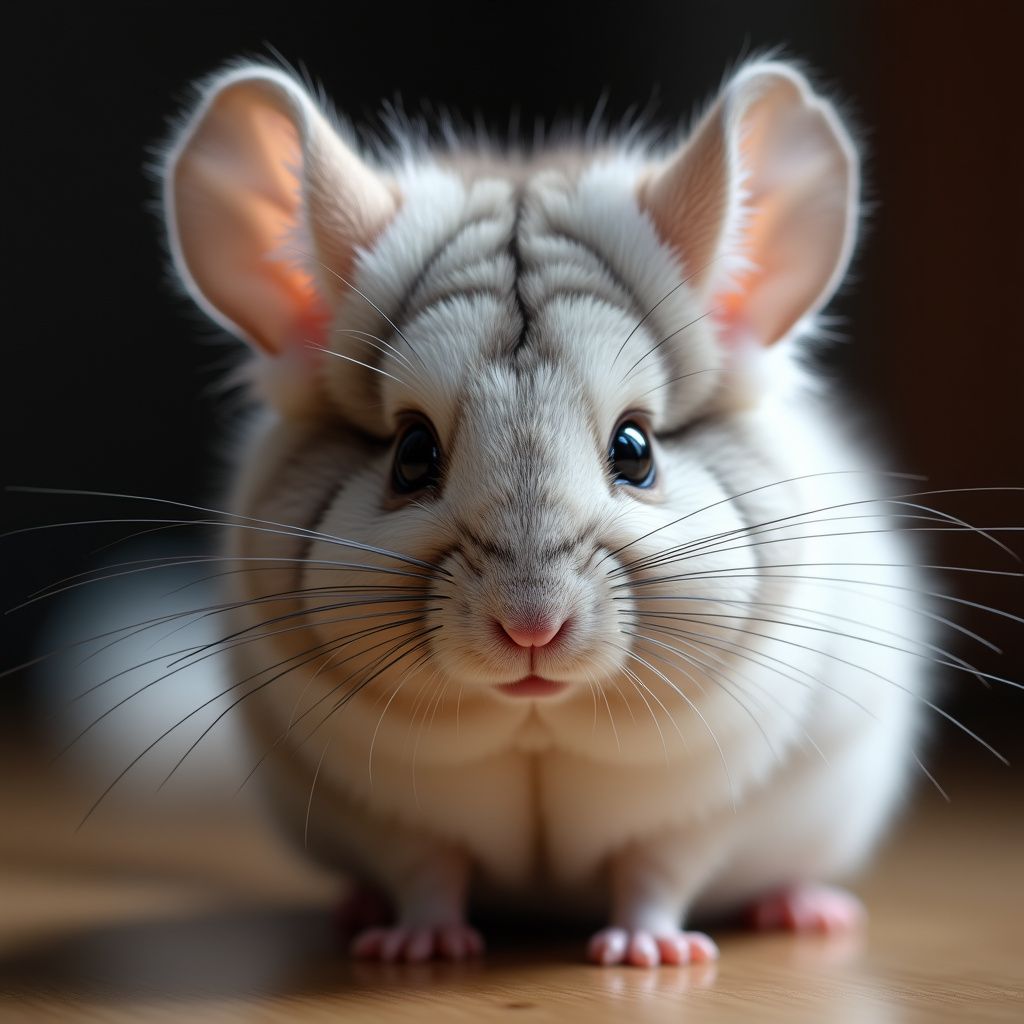
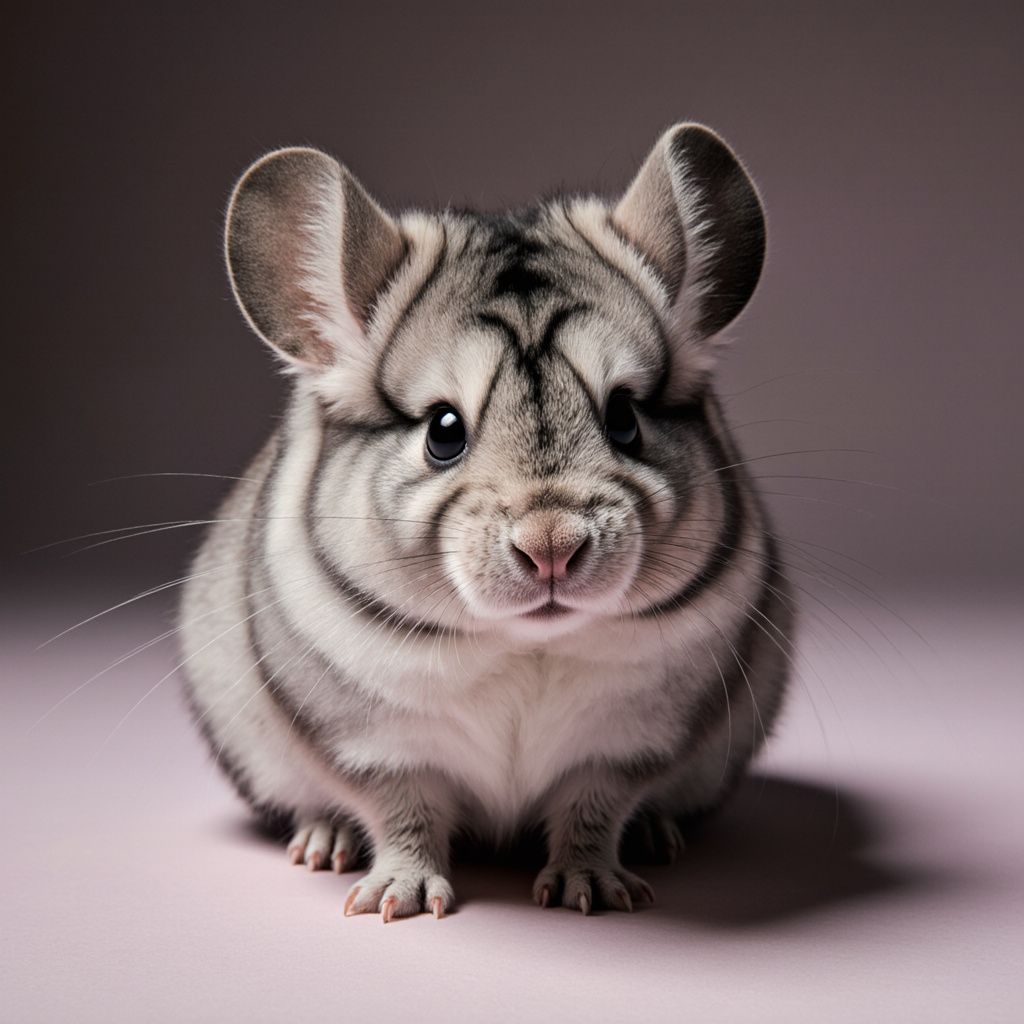
Introduction to Outdoor & Open Space for Chinchillas
Chinchillas are active, curious animals that thrive on exploration and exercise, but their delicate nature means that outdoor and open space environments must be carefully considered. Native to the high Andes Mountains of South America, chinchillas are adapted to cool, dry climates with plenty of rocky terrain for jumping and hiding. While they are typically kept indoors as pets, providing safe outdoor or open space options can enrich their lives, offering mental stimulation and physical activity. However, their sensitivity to heat, humidity, and predators requires owners to take extra precautions. This article explores how chinchilla owners can create safe and enjoyable outdoor or open space experiences for their pets.
Benefits of Outdoor & Open Space Access
Allowing chinchillas access to outdoor or larger open spaces can have numerous benefits when done correctly. These small rodents are natural jumpers and climbers, often leaping up to 6 feet in height in their natural habitat. A controlled outdoor or open space setup can mimic this environment, encouraging natural behaviors like hopping, exploring, and foraging. This not only promotes physical health but also reduces boredom, which can lead to stress or destructive behaviors like fur chewing. Additionally, exposure to natural light in a safe manner can support their circadian rhythm, improving overall well-being. However, the key is ensuring safety, as chinchillas are prey animals and highly sensitive to environmental changes.
Safety Considerations for Outdoor Environments
Safety is paramount when considering outdoor time for chinchillas. They are extremely sensitive to temperatures above 75°F (24°C) and humidity levels over 40%, as they can easily overheat due to their dense fur—up to 80 hairs per follicle, the thickest of any land mammal. Direct sunlight and hot weather can be fatal, so outdoor time should only occur in shaded areas during cooler parts of the day, ideally when temperatures are between 50-70°F (10-21°C). Additionally, chinchillas must be protected from predators like birds, cats, and dogs, as well as toxic plants, pesticides, and sharp objects. Never leave your chinchilla unattended outside, and always use a secure, escape-proof enclosure.
Creating a Safe Outdoor Play Area
To provide a safe outdoor experience, consider setting up a portable playpen or a chinchilla-proofed area in a shaded part of your yard or patio. Use a wire mesh enclosure with gaps no larger than 1 inch to prevent escapes, and ensure the bottom is covered with a safe, non-toxic material like untreated grass or a pet-safe mat to protect their delicate feet. Add chinchilla-safe hideouts, such as wooden boxes or tunnels, and remove any plants or debris that could be harmful. Avoid grassy areas treated with chemicals, and always supervise playtime. Limit outdoor sessions to 15-30 minutes to prevent stress or overheating, and bring them back indoors if they show signs of discomfort, like heavy panting or lethargy.
Indoor Open Space Alternatives
If outdoor access isn’t feasible due to weather, predators, or other risks, creating an indoor open space can be just as effective. Designate a chinchilla-proofed room or a large playpen where they can roam freely for short periods. Remove electrical cords, toxic plants, and small objects they might chew, and provide safe toys, ledges, and climbing structures to mimic their natural environment. Ensure the room temperature stays between 60-70°F (16-21°C) and avoid drafty areas. Supervised playtime outside their cage for 1-2 hours daily can significantly boost their happiness and health, but always return them to their primary enclosure for rest and security.
Practical Tips for Chinchilla Owners
Here are some actionable tips to make outdoor or open space time enjoyable and safe for your chinchilla:
- Check the Weather: Always confirm the temperature and humidity before outdoor play. Use a thermometer if needed.
- Start Small: Introduce open spaces gradually, beginning with short 10-minute sessions to gauge their comfort level.
- Hydration and Shade: Provide fresh water and ensure constant access to shade during outdoor time.
- Rotate Toys and Structures: Keep their play area engaging by switching up toys or adding new hiding spots weekly.
- Know Your Chinchilla: Observe their behavior for signs of stress or overheating, and adjust playtime accordingly.