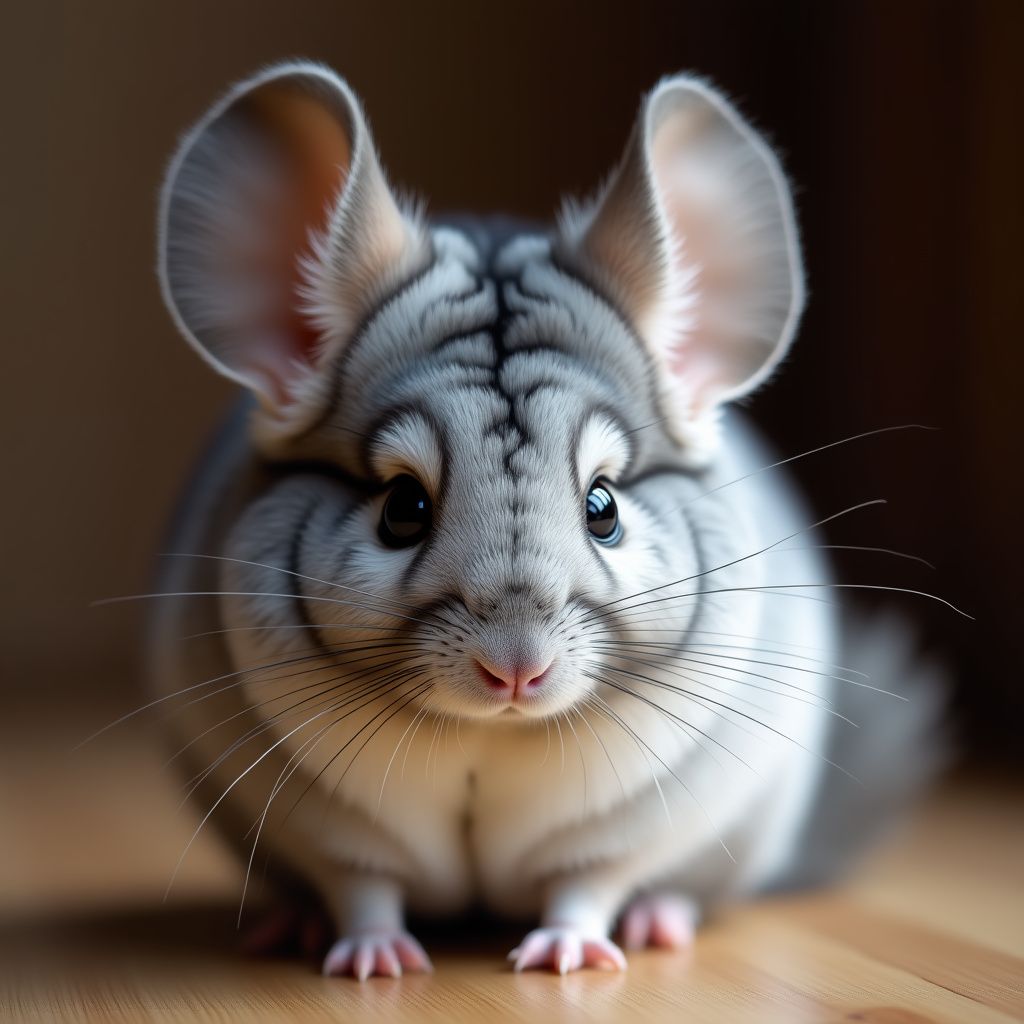

Introduction to Ventilation & Air Quality for Chinchillas
Chinchillas are delightful, sensitive pets with unique needs, especially when it comes to their living environment. Native to the cool, dry Andes Mountains of South America, chinchillas require a habitat that mimics their natural conditions to stay healthy. One of the most critical aspects of their care is proper ventilation and air quality. Poor air circulation or exposure to pollutants can lead to respiratory issues, stress, and other health problems in these small, fur-covered companions. This article will guide chinchilla owners on maintaining a safe, clean, and well-ventilated space for their pets, ensuring they thrive in captivity.
Why Ventilation Matters for Chinchillas
Chinchillas have dense fur—up to 80 hairs per follicle—making them highly susceptible to overheating. They cannot sweat like humans, so they rely on their environment to regulate body temperature. Without adequate airflow, heat and humidity can build up in their enclosure, leading to heatstroke, which can be fatal at temperatures above 80°F (27°C). Additionally, stagnant air can trap ammonia from urine, dust from bedding, and other irritants, increasing the risk of respiratory infections. Chinchillas are prone to upper respiratory issues, and studies suggest that poor air quality is a leading cause of illness in captive chinchillas. Good ventilation helps disperse these harmful elements, keeping your pet’s lungs healthy and their environment comfortable.
Understanding Air Quality Concerns
Air quality goes hand-in-hand with ventilation. Chinchillas are sensitive to dust, smoke, strong odors, and chemical fumes. Their dust baths, while essential for coat health, can create fine particles that linger in the air if not managed properly. Household pollutants like aerosol sprays, cleaning agents, or cigarette smoke can also irritate their delicate respiratory systems. High humidity—above 60%—can encourage mold growth in bedding or hay, posing another health risk. Monitoring and controlling these factors is vital to prevent stress and illness in your chinchilla.
Practical Tips for Improving Ventilation & Air Quality
Creating a healthy environment for your chinchilla doesn’t have to be complicated. Here are some actionable tips to ensure optimal ventilation and air quality:
- Choose the Right Cage Location: Place your chinchilla’s cage in a well-ventilated room away from direct sunlight, heaters, or air conditioning vents. Avoid damp areas like basements where humidity can spike. A room with natural airflow, such as near an open window (but not in a draft), is ideal.
- Use a Wire Cage: Opt for a wire mesh cage rather than a glass or plastic enclosure. Wire cages allow for better air circulation, preventing heat and moisture buildup. Ensure the spacing between bars is no more than 0.5 inches (1.27 cm) to prevent escapes or injuries.
- Clean Regularly: Remove soiled bedding and droppings daily to minimize ammonia buildup. A full cage cleaning once a week with a pet-safe disinfectant helps keep the air fresh. Rinse thoroughly to avoid chemical residue.
- Control Dust from Baths: Offer dust baths in a separate, enclosed container rather than inside the main cage to limit airborne particles. Allow your chinchilla 10-15 minutes of bath time 2-3 times a week, then remove the dust to reduce inhalation risks.
- Avoid Pollutants: Keep your chinchilla’s area free from smoke, perfumes, and harsh cleaning products. If you must use such items, temporarily move your pet to a safe, well-ventilated space until the air clears.
- Monitor Temperature and Humidity: Use a digital thermometer and hygrometer to keep track of conditions. Aim for a temperature range of 60-70°F (15-21°C) and humidity below 60%. If humidity is high, consider a dehumidifier for the room.
Additional Tools and Considerations
For owners in areas with poor natural ventilation, a small, low-speed fan can help circulate air near (but not directly on) the cage. Be cautious with air purifiers; choose models without ozone emissions, as ozone can harm chinchillas. Regularly check for mold or mildew in bedding and food storage areas, especially if you live in a humid climate. Remember that chinchillas are most active at dawn and dusk, so maintaining consistent air quality during these times supports their natural behavior and comfort.
Conclusion
Ventilation and air quality are cornerstones of chinchilla care that directly impact their health and happiness. By prioritizing good airflow, minimizing pollutants, and keeping their environment clean, you can help your chinchilla live a long, vibrant life—potentially up to 15-20 years with proper care. Small changes, like strategic cage placement and regular cleaning, make a big difference. Stay attentive to your pet’s behavior; signs like sneezing, lethargy, or labored breathing may indicate air quality issues that need immediate attention. With these tips, you’ll create a safe, comfortable home for your furry friend to flourish.